

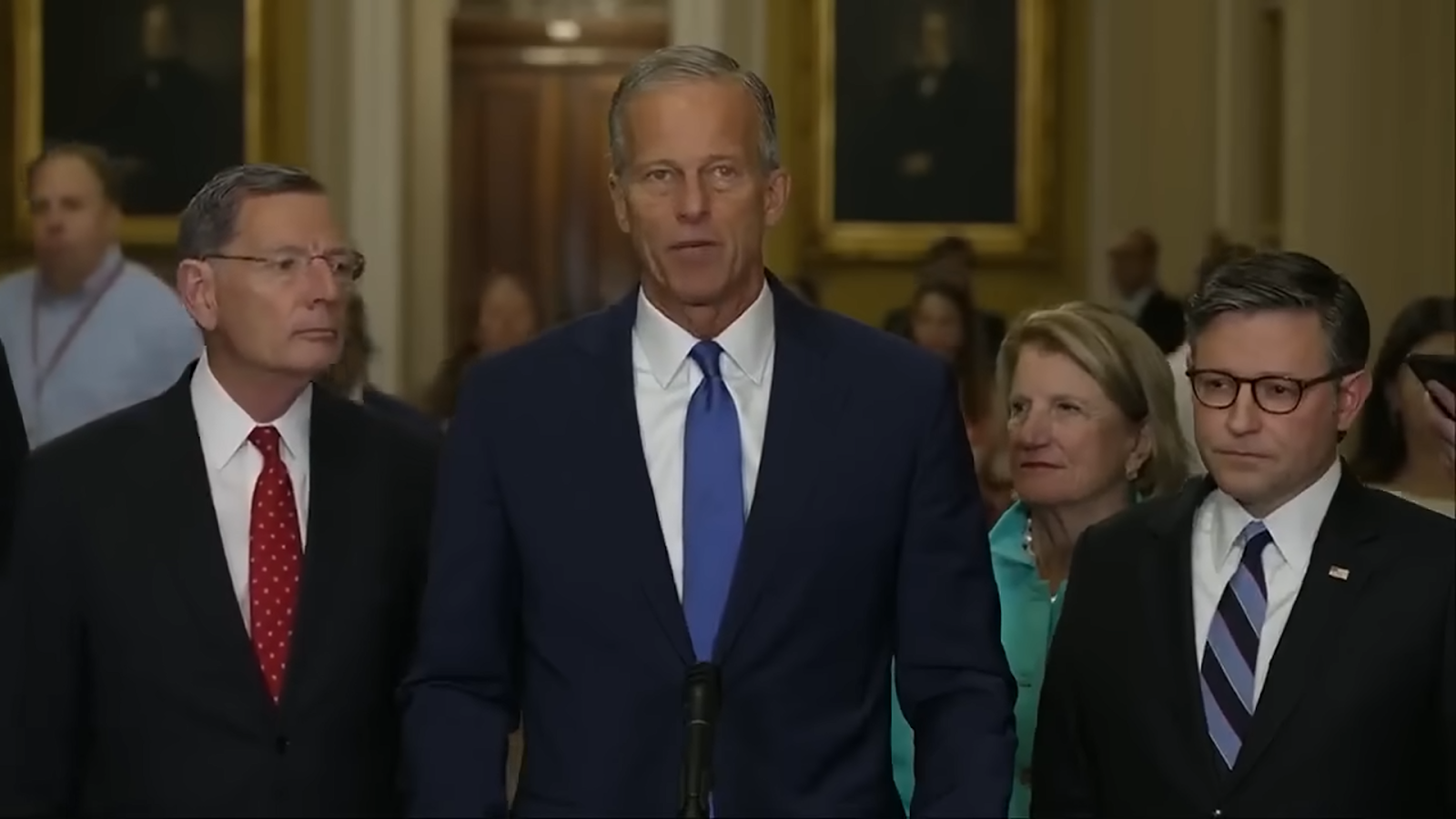
Republicans lack a single, agreed-upon picture of national success, and that fuels both freedom and friction in our politics.
That absence of a one-size-fits-all vision is not a bug; it reflects a coalition built on liberty, local control, strong defense, and fiscal restraint. Those principles can guide choices without locking the party into a top-down program. Still, the lack of a tidy, unified blueprint affects how voters see the party and how effective elected Republicans can be in Washington.
The GOP is a collection of competing priorities: constitutional conservatives who emphasize limited government, national security hawks who prioritize strength abroad, cultural conservatives who push social stability, and market-minded conservatives who favor free enterprise. Add in populist currents that demand trade protections and anti-elite rhetoric, and you end up with a broad church rather than a centralized command. That diversity explains electoral durability in different regions but complicates a shared narrative.
Messaging becomes a daily battleground when no single vision sets the tone. Candidates and officials tailor their pitch to local voters, which helps win elections but makes it harder to present consistent policy goals to the public. When Republicans hold power, differing priorities can turn into public fights that look like chaos to independent voters. Clarity suffers when every elected official reads from a different script.
Policy coherence is another casualty. Without a unified agenda, policy-making can be patchy: strong on taxes in one state, aggressive on immigration in another, and hesitant on entitlements in a third. That patchwork approach lets states innovate, but it also prevents the party from translating campaign wins into enduring federal reforms. Opponents exploit that lack of a single roadmap to argue Republicans are reactive rather than strategic.
There are upside trade-offs to this decentralized model. Federalism lets states test ideas and voters get real-world results before national adoption. Grassroots energy and local problem-solving reflect the conservative preference for power close to the people, and that keeps the party adaptable. Flexibility can be a political asset in times of rapid change and varied local conditions.
Balance is the practical challenge. If the party leans too far into factionalism, it risks alienating swing voters who want predictable governance and clear priorities. If it forces a rigid platform, it risks losing the very voters who value independence and skepticism of top-down solutions. The political moment rewards a coalition that can hold together without pretending everyone agrees on every detail.
What matters now is translating shared principles into understandable goals while keeping the coalition intact. That means framing policy choices around freedom, opportunity, and national security in ways that ordinary voters can relate to, rather than insisting on doctrinal purity. The result would be a Republican approach that is both principled and pragmatic, able to deliver results without sacrificing the party’s core instincts.

