

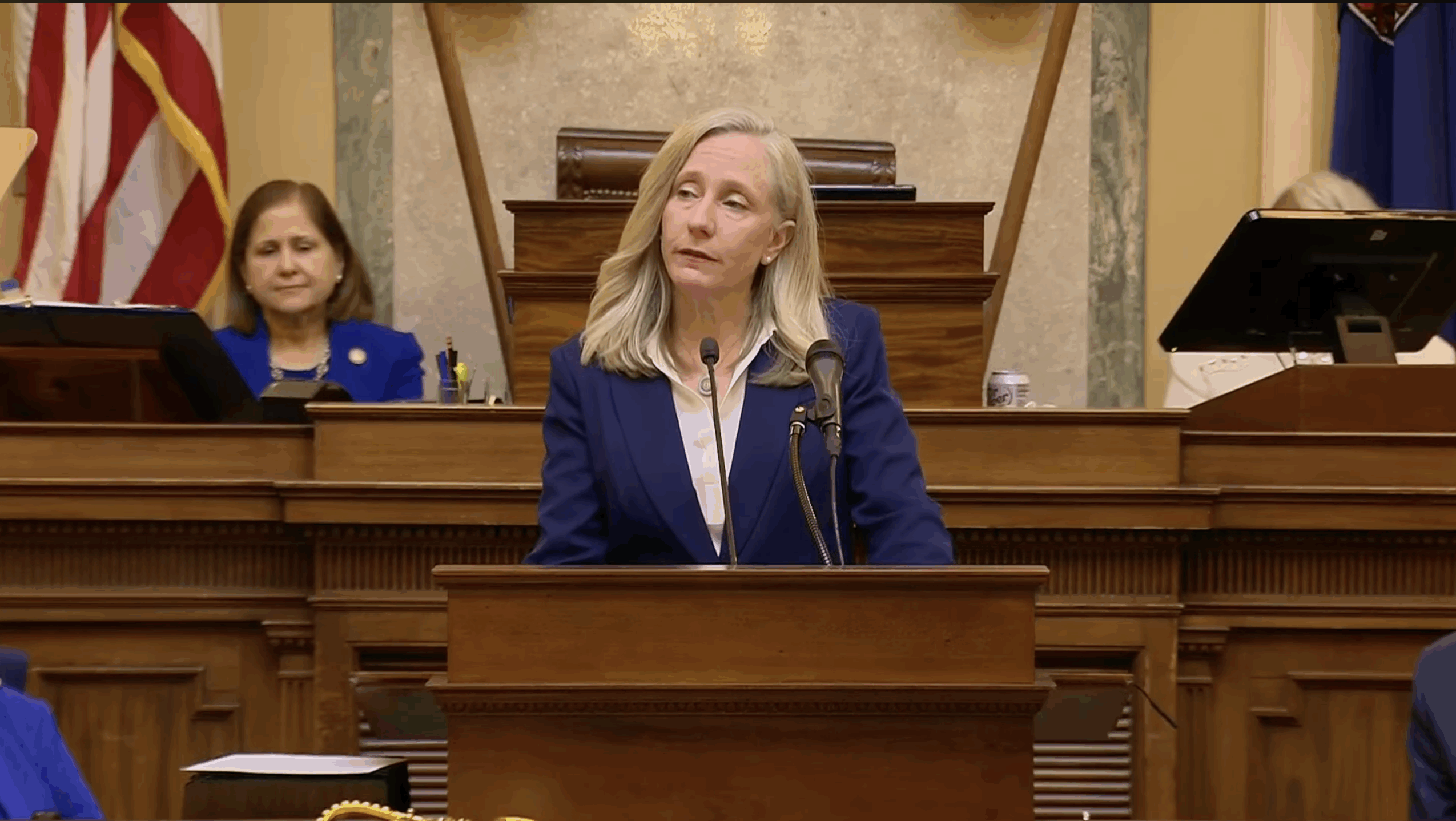
Virginia voters heard “affordability” on the stump, but once Democrats took office that slogan quickly unraveled, leaving a gap between promises and the decisions that followed.
Affordability carried the day during the campaign, yet within weeks of Election Day it became clear that “affordability” was never more than a campaign slogan. The rapid shift from promise to practice has frustrated residents who expected immediate relief on costs that matter most. That contrast between rhetoric and early policy choices deserves a hard look.
The new governing majority moved fast, and the initial choices sent a message about priorities. Budget moves and policy announcements favored expanding programs and regulations instead of delivering targeted relief to taxpayers. For people living paycheck to paycheck, that calculus feels like a betrayal, not a plan.
When leaders talk about making life cheaper, ordinary families expect measures that reduce bills, tame housing costs, and lower taxes where possible. Instead, early signals suggested more mandates and spending that can translate into higher costs over time. Inflation, fees, and compliance expenses don’t vanish; they get passed along to consumers.
Energy and housing policy are two areas where the trade-offs show up fastest. Rules that increase compliance costs or force rapid transitions without sensible timelines tend to raise utility bills and construction prices. Those effects hit renters, first-time buyers, and seniors on fixed incomes hardest, widening the gap between political promises and lived reality.
Republican voters and independent swing voters who backed “affordability” now face a clear choice about how to judge results versus rhetoric. Accountability matters in a representative system, and when voters see promises unmet they respond at the ballot box and in community debates. That dynamic reshapes how parties have to communicate and govern.
There’s also a policy argument here, not just a political one. Delivering real cost relief means focusing on permitting reform, reasonable regulation, targeted tax relief, and pragmatic energy planning that keeps prices stable. Big, unfunded expansions and sweeping mandates often create short-term headlines but long-term burdens.
For elected officials who campaigned on cost-of-living concerns, credibility comes from measurable steps that improve everyday life. Small, practical changes add up: easing permitting backlogs to lower housing costs, trimming unnecessary fees, and prioritizing fiscal restraint so taxpayers are not left footing new bills. Those are the kinds of policies that align words with results.
The fallout from early decisions will play out in neighborhoods and on household budgets long before the next campaign season arrives. Voters notice when slogans give way to spending patterns that leave them worse off. That reality is shaping the political conversation across Virginia as citizens sort through promise and performance.

