

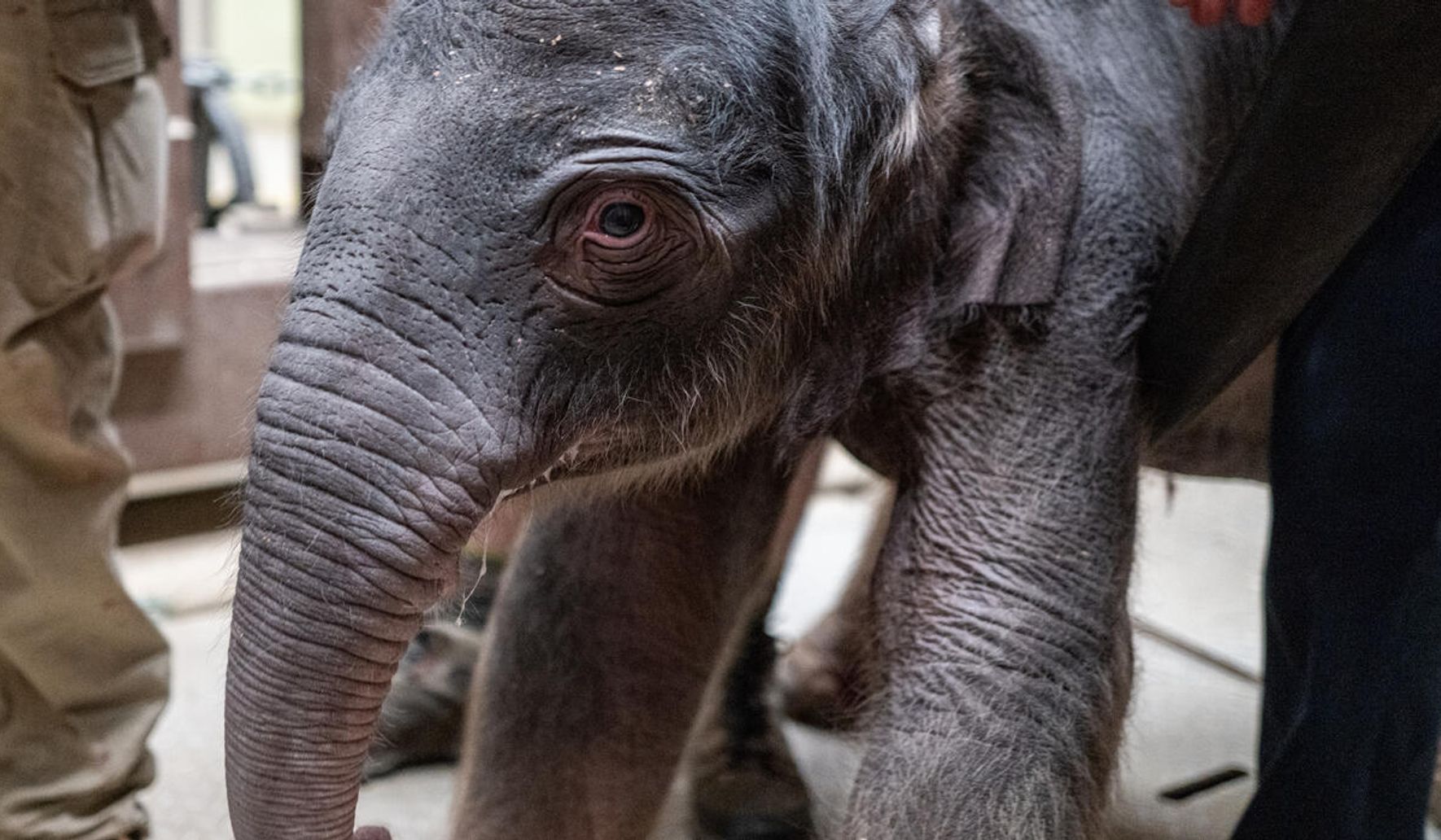
The voters have spoken: the baby female Asian elephant at the Smithsonian’s National Zoo will be called Linh Mai, zoo officials announced Friday.
The announcement that the National Zoo’s newest calf is named Linh Mai landed quickly and clearly. Fans, visitors and supporters followed the naming process closely, and the zoo confirmed the choice on Friday. That public involvement turned a simple naming into a community event people felt part of. The moment underscored how a single name can connect a zoo to a wider audience.
Naming contests at zoos are more than window dressing; they invite real participation. Museums and animal centers use these votes to draw attention, raise awareness about species, and give the public a stake in conservation stories. When people vote, they aren’t just choosing a label — they’re endorsing a character for future public education and outreach. That dynamic was on display with Linh Mai’s selection.
Beyond the contest mechanics, the attention on the calf reflects broader interest in Asian elephants as a species. These animals face distinct pressures in the wild, from habitat loss to human conflict, and public interest in a single calf can translate into support for conservation programming. Zoos often leverage that goodwill into educational initiatives and funding for field projects. The calf’s name becomes shorthand for a larger conservation narrative.
The name itself, Linh Mai, resonated with many who followed the vote. Names can carry cultural weight and personal meaning, and this one inspired conversation across social channels and community forums. That dialogue is useful: it opens doors for caretakers and educators to explain how cultural connections and conservation values intersect. The zoo will likely use that interest to build programs that reach diverse audiences.
For the staff who care for the calf, the naming process is a chance to celebrate daily progress that most visitors never see. Behind the scenes, keepers monitor nutrition, behavior and social bonds, and every milestone matters. When the public learns the calf’s name, it humanizes those efforts and gives supporters a way to track growth and wellbeing. That shared attention often leads to stronger support for the institution’s mission.
Public reaction to the announcement included a mix of affection and curiosity, with many people eager to see updates and photos. That response is a reminder of how wildlife stories capture attention in short bursts, and how institutions need to sustain interest with follow-up content and learning opportunities. The zoo’s communications team can turn the naming moment into a series of touchpoints that teach about species biology, habitat needs and conservation challenges.
Looking ahead, Linh Mai will carry the name into educational programs, social media, and any outreach tied to the National Zoo’s work. Whether the calf becomes a familiar face on tours or a frequent subject in school lessons, the name anchors those interactions. For now, the simple act of voting tied a community to a young elephant’s early story, and zoo officials made that connection official when they announced Linh Mai on Friday.

