

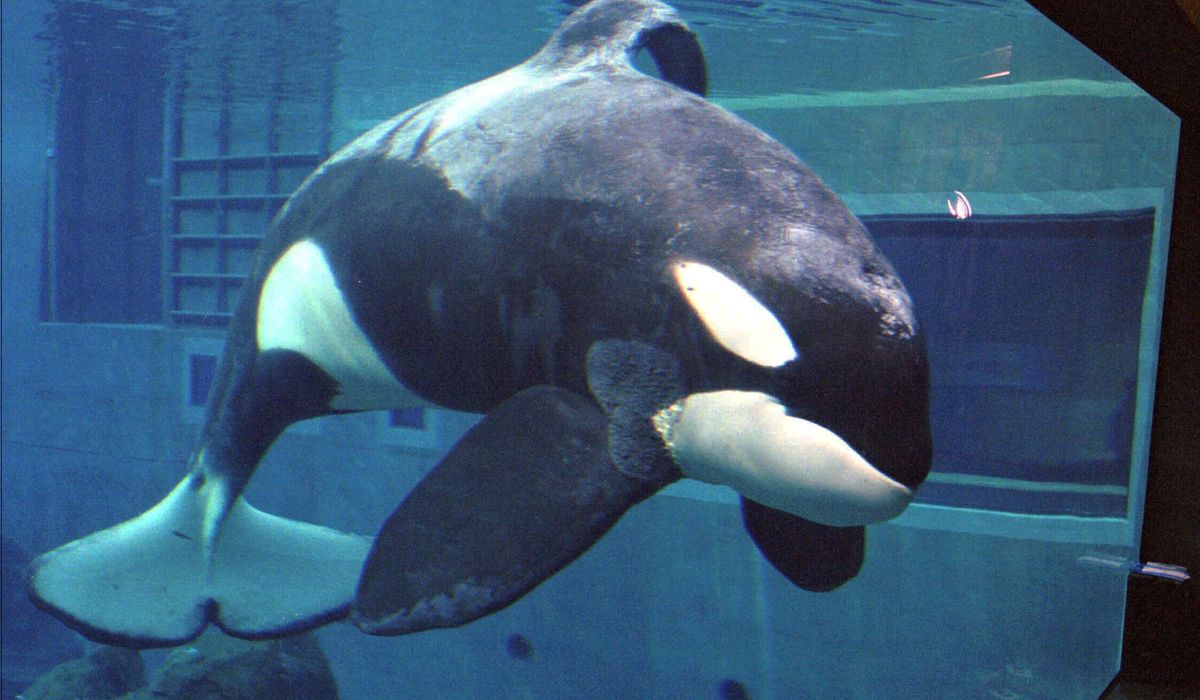
Warner Bros. is moving forward with a reimagining of “Free Willy,” the 1993 family adventure film about a boy who befriends a captive orca.
Warner Bros. has opted to revisit the story that captured hearts in 1993, signaling a new take on a familiar tale about a boy and a captive orca. The move follows Hollywood’s recent pattern of reviving well-known properties for modern audiences. This reimagining aims to balance the original’s emotional core with contemporary storytelling techniques and audience expectations.
The original film leaned on a straightforward, sentimental narrative that centered on friendship and the fight for freedom. Updating that through today’s lens means addressing new themes and new concerns, especially around animal welfare and the ethics of captivity. Expect the creative team to grapple with how to honor the past without repeating outdated practices.
From a production standpoint, technology opens options that weren’t available in 1993, including highly realistic CGI and advanced practical effects. Those tools can reduce reliance on live animal performances while preserving the emotional beats that made the first film memorable. The choice between practical animals, animatronics, and digital effects will shape both the look and the messaging of the project.
Audience taste has changed since the first movie’s release, and studios now weigh nostalgia against fresh ideas when greenlighting remakes. There’s a built-in audience who remembers the original fondly, but younger viewers will expect relevance and modern pacing. Striking that balance will be crucial if the reimagining is to please longtime fans while feeling vital to new ones.
Another factor is context: family entertainment now often includes more nuanced moral questions and layered character work. Filmmakers can explore the boy’s point of view differently, perhaps giving supporting characters stronger arcs or updating the setting to reflect contemporary concerns. That approach can deepen the story without losing the accessible adventure spirit that made the original resonate.
Public reaction to such projects tends to split between those who fear unnecessary tampering and those curious about what fresh hands can bring. The studio will need to manage expectations carefully, communicating the film’s intentions without revealing too much early on. How Warner Bros. frames the reimagining will influence early buzz and the tenor of critical reception.
On the business side, legacy titles remain attractive because they reduce awareness hurdles and offer clear marketing hooks. Still, revivals carry risks: audience fatigue with remakes and the high cost of effects-driven production can complicate profitability. This reimagining will be measured not only by critical response but also by its ability to draw families and international viewers.
Animal advocacy and regulatory groups have a louder voice now, and productions that involve animals are under greater scrutiny. That shift means the creative approach will likely emphasize humane practices and transparency about how scenes were made. Whether through full CGI scenes or strict on-set protocols, the film’s handling of its central orca figure will be watched closely.
Ultimately, this project offers a chance to revisit a simple, emotional story while updating it for modern audiences and ethical standards. The success of the reimagining will depend on thoughtful storytelling, careful production choices, and respect for the original’s emotional resonance. As planning proceeds, watchers will be curious to see how Warner Bros. navigates those competing priorities and what new life they give to a well-known tale.

