

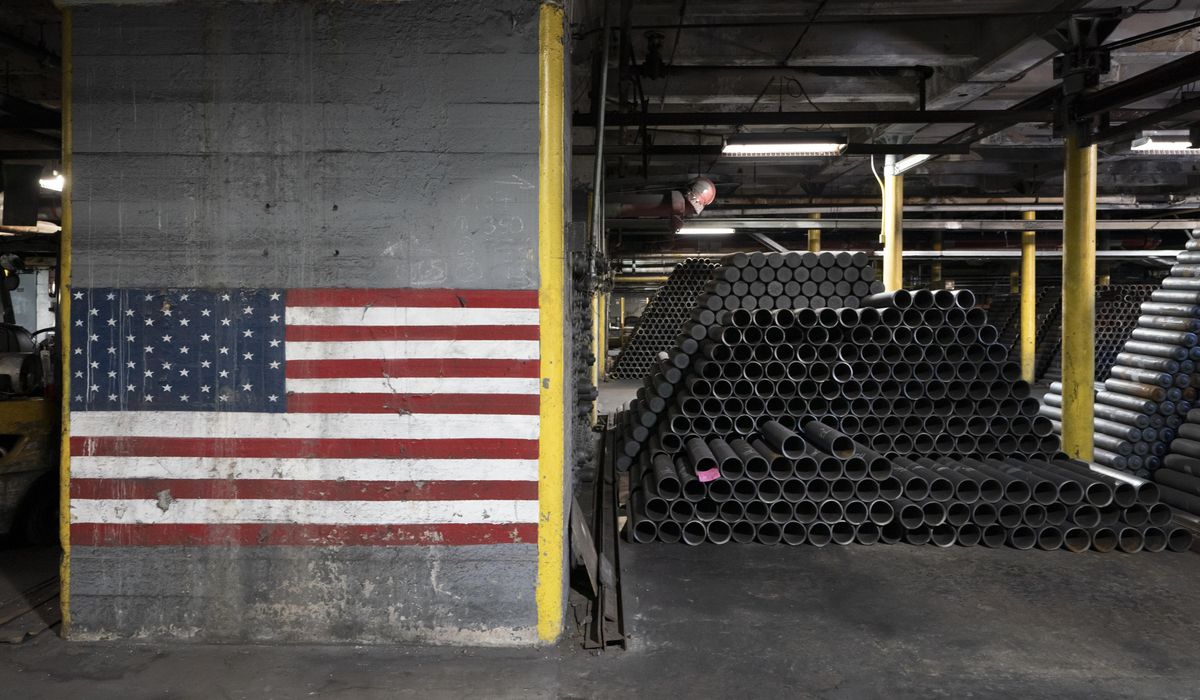
The White House pushed back Thursday against “leakers” who claimed the U.S. is running short on munitions, insisting it can sustain pressure on Iran as talks proceed over reopening the Strait of Hormuz.
The administration’s public pushback reads like damage control. Officials privately briefed partners and publicly pushed back against reports that U.S. stockpiles are strained, arguing readiness remains intact while diplomatic channels work to keep shipping lanes open.
Republicans, however, see a different picture and aren’t willing to accept reassurances without evidence. The focus has shifted to accountability: lawmakers want clear numbers on inventories, delivery timelines, and the contingency plans the Pentagon has in place if supplies actually run low.
Those demands follow reporting that alleged shortfalls in artillery and precision munitions have complicated operations. If accurate, shortages would not only constrain day-to-day deterrence but also weaken the United States’ ability to back allies and uphold freedom of navigation in chokepoints like the Strait of Hormuz.
The strategic stakes are straightforward and immediate. Iran’s posture in the region has been aggressive, and any gap in U.S. logistics or ordnance supply invites boldness from Tehran and uncertainty among partners who rely on American presence for security.
Administration spokespeople insist production lines are expanding and note that allies are contributing. That account doesn’t satisfy critics who say the Biden team should have anticipated renewed demand after years of high-rate operations and declining domestic production capacity.
Congressional Republicans argue this is the predictable result of a policy that deprioritized industrial base resilience. They point to funding lapses, slow contract awards, and regulatory hurdles that make ramping up munitions manufacture slower and costlier than it should be.
There’s also a transparency debate. Republicans demand audits and classified briefings to verify whether stockpiles meet operational plans. They say public denial without documentary proof only deepens suspicion that the administration is trading honesty for short-term diplomatic theater.
Defense officials counter that signposting vulnerabilities on the record would hand a playbook to adversaries. Still, that argument does not negate the need for some independent validation so Congress and the American people can judge whether current strategy matches available capabilities.
On the industrial side, private sector partners report bottlenecks in raw materials, skilled labor, and specialized manufacturers. Fixing those issues takes time and purposeful policy: better procurement terms, targeted incentives, and streamlined approvals for critical suppliers.
Republicans propose a two-track approach: secure present operations with emergency funding and surge contracts, while structural fixes rebuild long-term production capacity. That plan leans on clearer priorities and faster decision-making rather than relying on ad hoc diplomatic cover to mask capability gaps.
Meanwhile, the diplomatic angle remains messy. Pressure on Iran is meant to extract commitments about maritime safety and de-escalation, but if U.S. forces need to be constrained by munitions limits, leverage is reduced. Critics argue this weakens the negotiating hand and risks emboldening Tehran.
The public messaging war over “leakers” and shortages won’t settle the underlying resource questions. Lawmakers from both parties can demand classified briefings, but Republicans insist those briefings should be followed by actionable solutions backed by budgetary authority rather than mere talking points.
Maintaining pressure while ensuring readiness is a balancing act that requires more than statements. If the substance of the reporting is true, it reveals systemic problems in defense planning and procurement that deserve immediate attention and lasting reform.
At the core, this dispute is about trust and capability: trust in official accounts, and confidence that the United States can sustain deterrence while negotiating sensitive maritime issues. Republicans say transparency, industrial focus, and rapid corrective measures are the way to restore both.

