

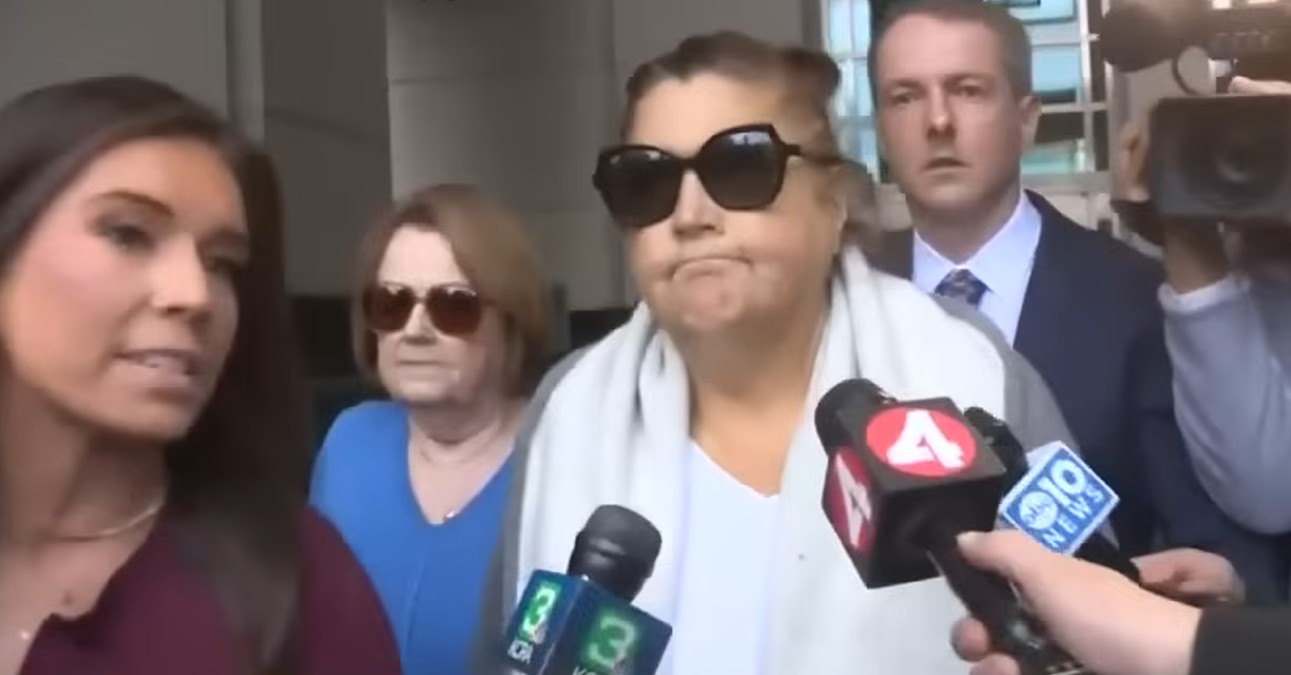
Dana Williamson and others are accused of scheming to take roughly $225,000 from a dormant political campaign account tied to Xavier Becerra, raising hard questions about oversight, accountability, and how campaign funds are handled when campaigns go inactive.
Dana Williamson and others allegedly conspired to steal around $225,000 from Xavier Becerra’s dormant political campaign funds. That claim, whether true or not, lands squarely in the middle of how campaign money is tracked and who watches the books. The allegation alone demands clear answers about bookkeeping, authorizations, and who signed off on any transfers.
Campaign accounts that go dormant do not become free-for-alls, and federal and state rules set expectations for reporting and retention of records. From a Republican viewpoint, this kind of allegation shows why strict audits and transparent ledgers matter more than platitudes. When money sits idle, the temptation and opportunity to misallocate it grow unless institutions enforce chains of custody for campaign cash.
Legally, alleged conspiracies to divert campaign funds bring criminal exposure and civil remedies, depending on statute and proof. Prosecutors will look for intent, coordination, and false entries in ledgers, while regulators will check whether required filings were made and whether donors were misled. Republicans typically argue that enforcement must be swift and visible so the public knows rules apply equally to everyone.
The political impact is immediate. Even an unproven allegation shifts attention from policy to personal conduct and damages trust in both the individuals named and the office associated with the account. Voters expect their donors and campaigns to follow clear rules, and any hint of impropriety gives opponents room to question the integrity of those involved. That dynamic matters at the ballot box and in everyday political debate.
Controls that often fail in these situations are simple: separation of duties, documented approvals, and routine reconciliations. Few are glamorous, but they keep money traceable when campaigns lie dormant. Republicans often emphasize practical fixes like mandatory third-party audits for dormant accounts and stronger penalties for those who manipulate records to hide transfers.
Restitution and penalties vary depending on whether money was spent, where it went, and whether it can be recovered. In cases with clear evidence, courts can order repayment, fines, and even criminal sentences for those convicted of fraud or embezzlement. Republicans argue that deterrence depends on enforcement outcomes that are public, proportionate, and consistent so future actors know the cost of crossing the line.
Beyond enforcement, this episode highlights a cultural problem that both parties face: treating campaign funds as close to institutional currency rather than donor money held in trust. From a Republican stance, the remedy is simple: make mismanagement politically costly and administratively difficult. That means better record-keeping, faster audits, and visible consequences when rules are broken, not whispered settlements behind closed doors.
Investigations into alleged schemes like this typically move through several stages: review of bank records, interviews with campaign staff, subpoenas for communications, and perhaps indictments if evidence warrants. The public deserves transparency during that process without prejudging the outcome, and Republicans will push for thorough, public probes that produce clear findings. Accountability built on facts, not spin, is the only way to restore confidence when serious allegations surface.

