

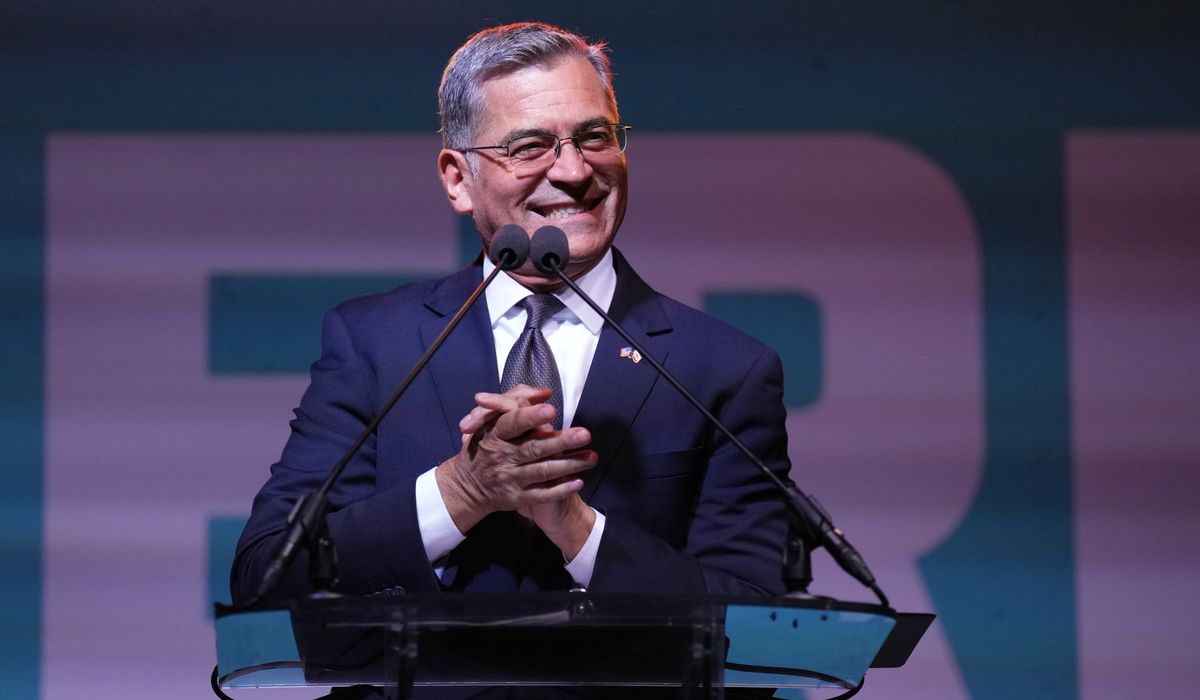
Democrat Xavier Becerra has moved on to the California governor general election after presenting himself as an experienced option to lead the nation’s most populous state.
Xavier Becerra’s advance to the general election puts California voters on notice that the contest will be a choice about direction, priorities, and results. He has cast himself as an experienced manager ready to step into the governor’s role, while opponents and many voters are ready to press him on actual outcomes. Republicans see this as an opportunity to sharpen contrasts on taxes, public safety, and the economy. The coming campaign will be about whether experience translates into better lives for Californians or more of the same policies that have driven concern across the state.
From a Republican perspective, experience in Washington or Sacramento is not the same as delivering results at the local level. Long records in government often come with a trail of broken promises and expanding bureaucracy, and voters deserve a clear accounting of what past experience truly produced. Californians are worried about high taxes, rising costs, and the erosion of basic services, and those concerns will be central to Republican messaging. The party will push the point that managerial skill must be paired with accountability and fiscal discipline.
Public safety and homelessness remain dominant issues across cities and suburbs alike, and Republicans will argue those problems demand practical solutions rather than ideological talking points. Critics question whether career politicians have the urgency or the humility to change course and try new approaches when old ones fail. Republicans plan to press Becerra on his plans to restore order, reduce crime, and get people off the streets while protecting neighborhoods and small businesses. Those are the immediate, measurable standards voters will use to judge any governor’s performance.
Economic policy will also be a major battleground, with Republicans spotlighting how regulation and taxation affect job creation and affordability. Too many Californians are priced out of housing and struggling with energy and living costs, and the opposing message will stress growth-friendly policies and smarter regulation. The GOP will frame the argument around results: lower costs, more jobs, and retaining employers rather than chasing ideological goals that can drive businesses away. Voters will want specifics, not just general assurances of experience.
Education and parental choice are another terrain where Republicans will make the case for different priorities. Parents increasingly want real control over their children’s schooling and clear standards for achievement, and the GOP will press for policies that expand options and accountability. They will contrast this agenda with what they portray as entrenched bureaucratic approaches that often place process over outcomes. The election will test whether Californians prefer steady reform that empowers families or more top-down management from the statehouse.
Border security and state-federal dynamics are also part of the conversation, especially as people consider how statewide leadership influences national debates. Republicans are likely to tie competence in Sacramento to broader concerns about law enforcement, immigration, and resource allocation that affect communities day to day. The message will be straightforward: leadership should protect citizens first and make sure resources are directed toward practical solutions. That argument aims to resonate with voters tired of partisan rhetoric and eager for tangible fixes.
Campaign tone will matter as much as policy substance, and Republicans intend to keep the focus on outcomes rather than personality. They will challenge Becerra to explain how his experience will translate into lower taxes, safer streets, better schools, and more affordable housing. At the same time, the GOP will present its alternatives as pragmatic, results-oriented, and attentive to the needs of everyday Californians. The contest is shaping up as a fight over whether continuity in leadership will mean progress or more of the same challenges.
Ultimately, voters will decide whether an experienced Democrat like Becerra represents continuity or the change Californians say they want. Republicans will press hard on accountability, concrete performance metrics, and a return to policies that prioritize economic freedom and public safety. The campaign ahead will be a clear test: will experience be a pathway to improvement, or will it simply extend the policies that many residents say are failing them? That choice will be at the center of the general election debate.

