

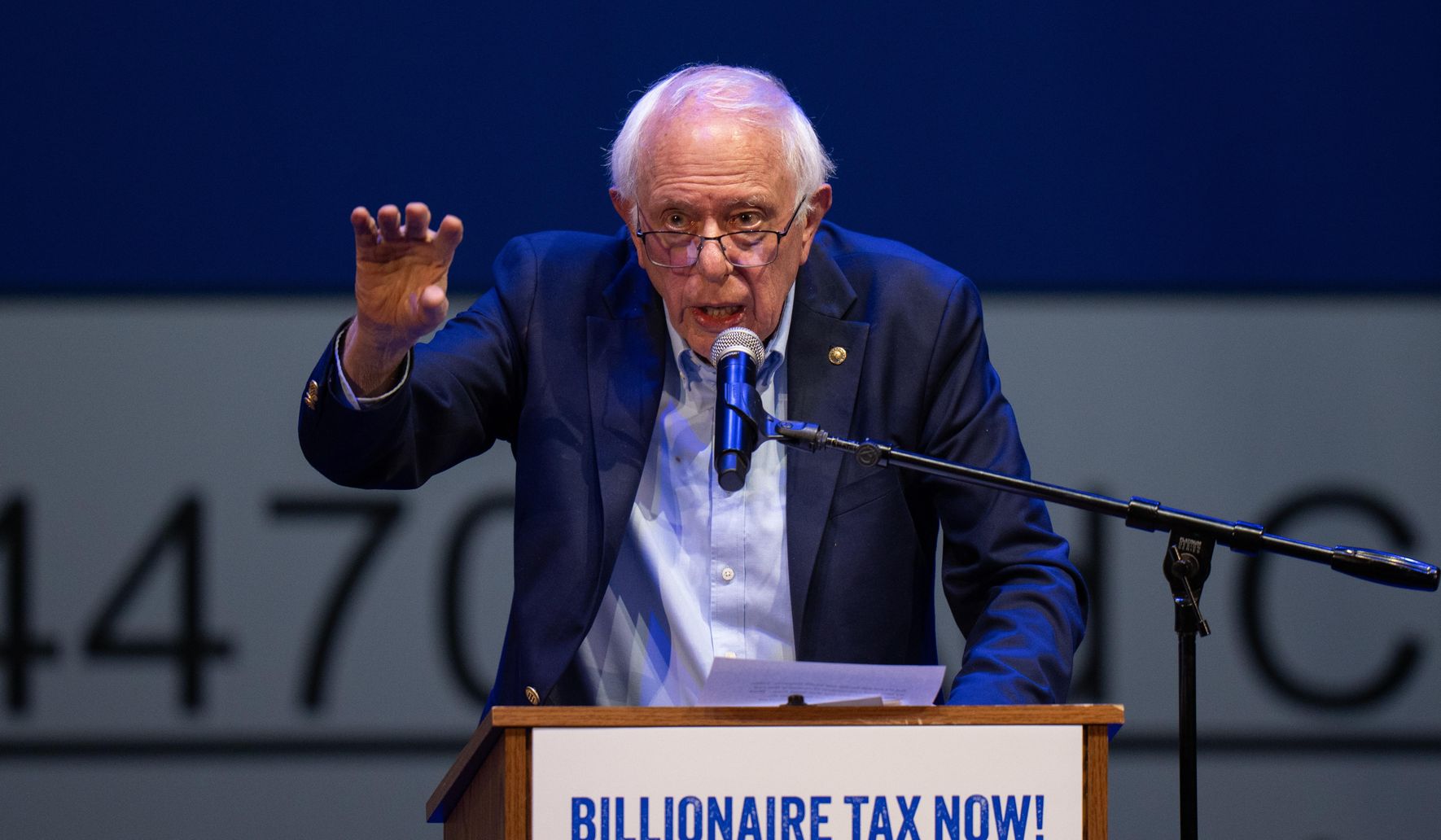
Republicans briefly considered a millionaires tax before President Trump killed it. Now Democrats are pushing wealth taxes nationally — and the results in states that tried it are complicated.
Democrats across the country are talking up wealth taxes as a quick fix for inequality and budget gaps, but the theory is cleaner than the practice. On paper, a tax on the richest households sounds straightforward: more revenue from people who can afford it. In reality, wealth is mobile, complex to value, and often sheltered by legal strategies that blunt any straightforward extraction.
At the state level, experiments with wealth-related levies have produced mixed signals that should make any policymaker cautious. Some proposals trigger short-term headlines but falter when the mechanics meet reality, like valuing private businesses or art collections. Those valuation fights bog down tax offices and invite high-priced lawyers and accountants to wage lengthy disputes that erode any net gains.
One practical problem is enforcement. Wealth taxes rely on accurate reporting and aggressive audits, and states rarely have the staff or expertise needed to police asset-rich taxpayers. When enforcement is weak, the wealthy find workarounds that shift income or assets to less visible forms or jurisdictions. That means the cost of running a wealth tax can approach or even exceed the revenue it produces.
Economic behavior also matters. Higher effective tax rates on the very wealthy change incentives for investment, entrepreneurship, and residency. Firms and founders weigh relocation, restructuring, or simply delaying taxable events, and that leads to slower job creation and lower payroll growth in the jurisdiction that thought it would get richer. These second-order effects are often left out of political messaging.
Legal challenges are another predictable hurdle. Wealth taxes raise constitutional and statutory questions that invite litigation, and courts can take years to settle disputes. Even temporary injunctions or protracted cases create uncertainty for state budgets and businesses. That uncertainty undermines the political appeal of a tax that was supposed to deliver quick, reliable money for programs.
There’s also the fairness argument from a Republican viewpoint: targeting the wealthy with special levies can fracture the tax code and invite retaliatory complexity. If policymakers want sustainable revenue, broad-based reforms that simplify rates and close real loopholes tend to be more effective and less distortionary. Wealth levies, by contrast, often create new classes of winners and losers buried in exemptions and carve-outs.
Finally, politics matters. Voters are skeptical of tax schemes that look clever on paper but expensive in practice, and Republicans can make a clear case that permanent fixes require growth-friendly policies rather than recurrent rounds of wealth-targeted grabs. Fiscal responsibility means balancing budgets without creating perverse incentives for capital flight or litigation-heavy tax regimes. That pragmatic case resonates with voters who want both fairness and functioning economies.
States that considered wealth-style levies found the real work started after the applause lines. Valuation disputes, enforcement gaps, economic responses, and legal fights turned many pilot ideas into cautionary tales. Policymakers who want stable revenue should study those lessons before embracing a national push that risks repeating the same mistakes on a larger scale.

