

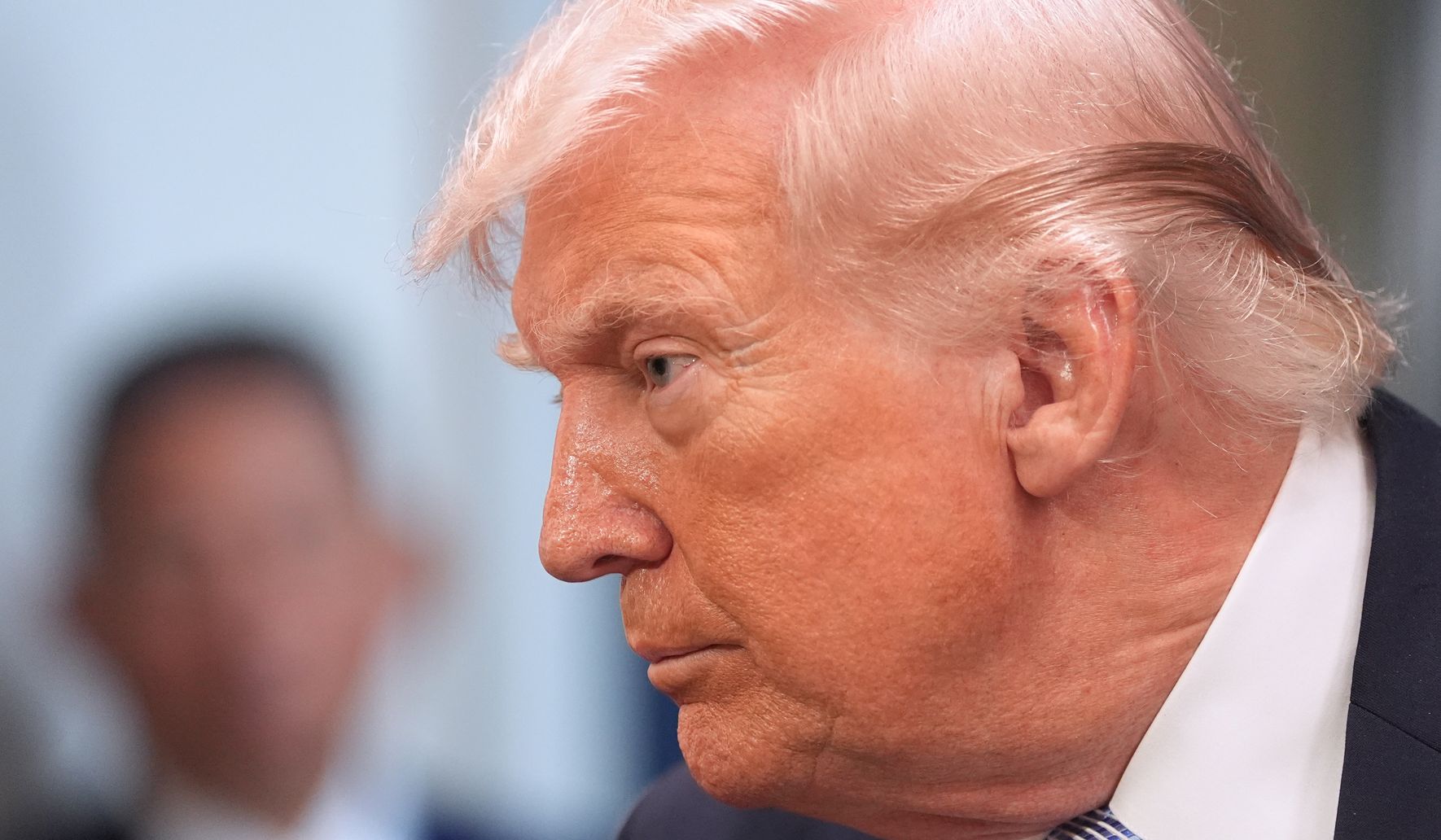
A federal judge dismissed President Trump’s $10 billion defamation lawsuit against The Wall Street Journal on Monday, saying he failed to prove the newspaper acted with malice.
The ruling lands where First Amendment protections meet political controversy, and it will reverberate through media and legal circles. Public figures face a high bar in defamation cases, and this decision underscores how difficult it is to meet that standard. For those who support the former president, the result is disappointing but legally predictable.
Defamation law requires a showing of “actual malice” when a public figure sues a news organization, meaning the plaintiff must prove the publisher knew a statement was false or acted with reckless disregard for the truth. That legal threshold exists to prevent chilling speech and protect vigorous reporting, even when coverage is critical or politically charged. Conservatives often argue the media pushes a hostile narrative, but courts balance that concern against constitutional safeguards for the press.
From a Republican perspective, this outcome feels like a reminder that the legal system favors broad press freedoms, sometimes at the expense of personal reputation. Critics will say the ruling lets powerful outlets escape accountability for mistaken or biased reporting. Supporters say it preserves the essential marketplace of ideas where competing claims can be tested without courts second-guessing editorial decisions.
The practical consequences are straightforward: the lawsuit will not proceed in the guise it was filed, and any path forward will hinge on whether new evidence or legal grounds emerge. Appeals are a common next step, and a higher court could revisit whether the judge applied the “actual malice” standard correctly. Legal strategy now shifts to whether there is a viable appellate argument or alternative claims that bypass the public-figure hurdle.
Beyond the courtroom, this decision plays into the broader discussion about media influence and accountability. Conservatives frequently call for more rigorous standards at major outlets and for platforms to be transparent about sourcing and corrections. Legal losses like this one often push political responses into policy and public pressure rather than litigation, with calls for reform focused on industry practices instead of court rulings.
Newsrooms will take from this case an affirmation that solid reporting practices and careful sourcing remain their best defense. Editors and reporters will likely point to the ruling as validation that the protections granted by the First Amendment are intact. At the same time, the ruling does not excuse sloppy journalism; it simply confirms that the legal remedy for reputational harm is narrow when the plaintiff is a public figure.
For the broader public, the case highlights how the legal system treats disputes between powerful individuals and influential media companies. Lawsuits of this scale—$10 billion in damages—draw attention and fuel partisan debate regardless of the legal merits. Voters seeing this outcome will interpret it through their political priors, with some viewing the system as fair and others seeing it as tilted toward entrenched institutions.
Politically, Republicans who sympathize with the plaintiff will likely channel frustration into electoral and legislative pressure rather than relying on courts to police the media. Efforts to promote transparency, press standards, or alternative conservative platforms will intensify as a response. That is a predictable pattern: when litigation closes one avenue, political actors pursue others to shift the landscape.
Legal analysts will watch for any appellate filings and the specific reasoning the judge employed in finding the malice threshold unmet. Those details matter because they shape how similar suits will be crafted in the future and whether plaintiffs can find narrower, more actionable claims. For now, the decision is a clear example of how constitutional doctrine around defamation continues to shape disputes between high-profile figures and big media outlets.
The takeaway for conservative observers is twofold: courts will protect press freedoms even in heated political fights, and the long-term remedy for perceived media bias is likely political and cultural rather than purely legal. That reality pushes attention back to building institutions, standards, and platforms that reflect conservative priorities and ensure robust voices remain in the public arena.

