

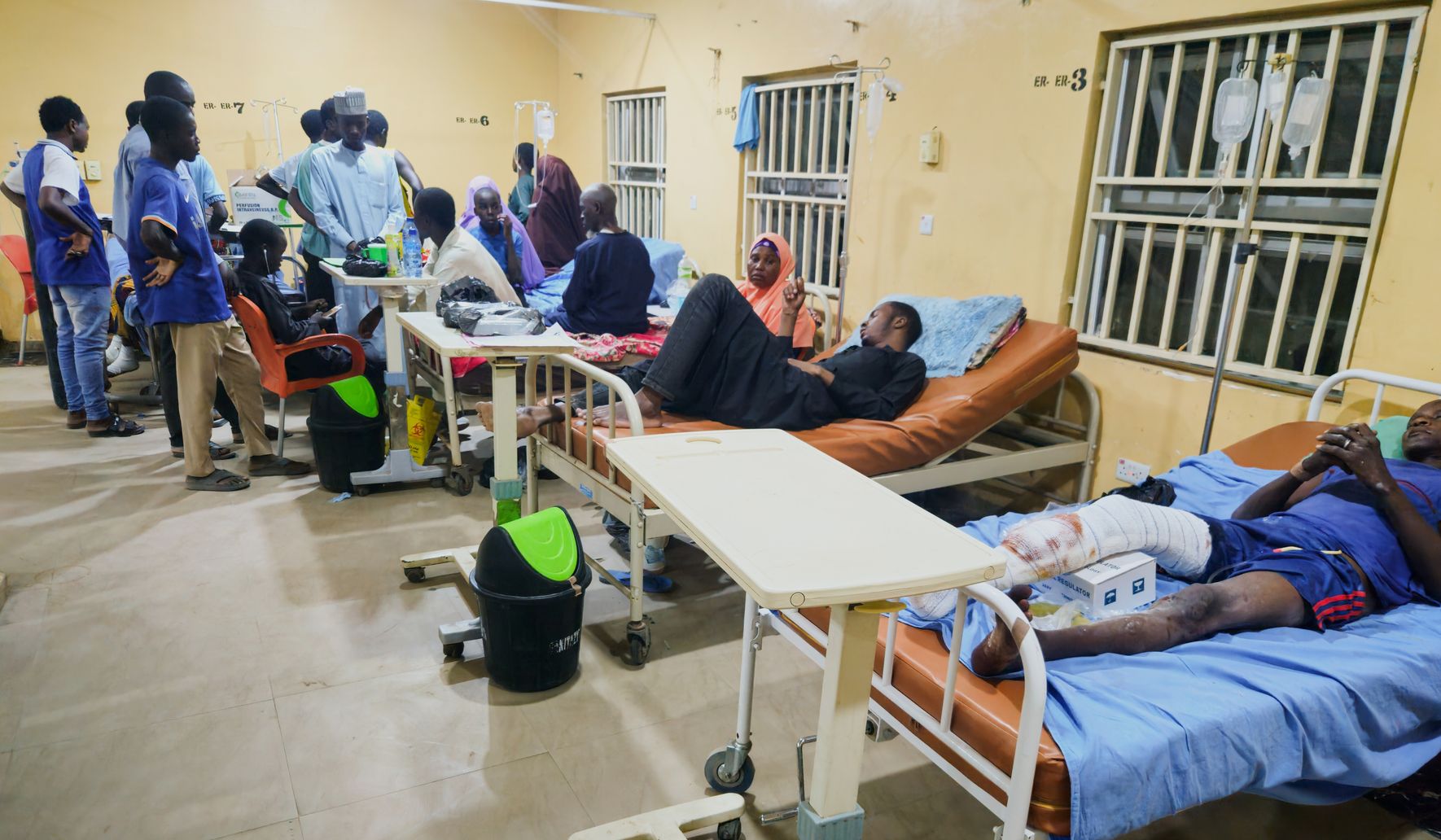
A Nigerian Air Force strike meant for jihadi rebels instead struck a busy market in northeastern Nigeria, and rights groups and local media say more than 100 civilians were killed, including children.
The reports coming out of northeastern Nigeria say an airstrike by the Nigerian Air Force struck a crowded local market while targeting jihadi rebels, with rights groups and local outlets reporting that the blast killed over 100 civilians and wounded many more. Families say children were among the dead, and witnesses describe chaotic scenes as survivors pulled bodies from rubble and tried to care for the injured. Local media coverage and rights organizations are calling the civilian toll devastating and unacceptable.
This incident raises tough questions about how military operations are planned and carried out in populated areas, and it demands a clear accounting of what went wrong. Americans who back a strong defense also believe the use of force must come with rigorous safeguards to avoid civilian harm. From a Republican perspective, supporting our security forces does not mean tolerating preventable civilian casualties; accountability and better procedures are necessary.
Military planners face real dilemmas when insurgents hide among civilians, but those dilemmas do not erase responsibility when an operation causes large-scale loss of innocent life. Rules of engagement, target verification, and real-time intelligence quality all factor into whether a strike can be carried out without hitting noncombatants. If the affirmative evidence was lacking, the chain of decision-making needs to be examined and those failures corrected.
There should be an independent, transparent investigation led by authorities with the trust of the public and the international community, and the findings must be made public. Families and communities deserve answers about who ordered the strike, what intelligence was used, and whether warnings or evacuation options were considered. Accountability is not about punishing soldiers for doing a hard job in imperfect conditions; it is about ensuring institutions learn and improve so tragedy is not repeated.
At the same time, the security challenge posed by jihadi groups in northeastern Nigeria remains urgent and real, and the government has a duty to protect civilians from terrorism. That task requires capable forces, better intelligence, and closer coordination with local communities to reduce the chance that fighters will use civilians as shields. A failure to degrade extremist capacity lets terror groups continue to endanger both local populations and regional stability.
There is a role for outside partners in helping improve targeting methods, intelligence sharing, and post-strike assessments, but any assistance must respect Nigerian sovereignty and prioritize civilian protection. International cooperation can speed improvements in training, precision strike procedures, and medical response after incidents. At the same time, external partners should not insulate local actors from accountability; transparency must be the standard.
Civilian protection also demands better medical and emergency response capacity in the region so that survivors receive treatment quickly when tragedy strikes. Too often, victims suffer not only from the initial attack but from delayed or incomplete medical care that worsens outcomes. Investing in local health infrastructure and rapid response teams is a practical, humane step that complements security measures.
The political response will test Nigeria’s institutions and leaders. Officials should avoid reflexive denial or spin and instead commit to a credible inquiry, compensation where appropriate, and reforms to reduce future civilian risk. For conservatives who value both security and the rule of law, this moment is a reminder that supporting capable defense forces comes with insisting on transparency, better tactics, and full responsibility when civilians pay the price.

