

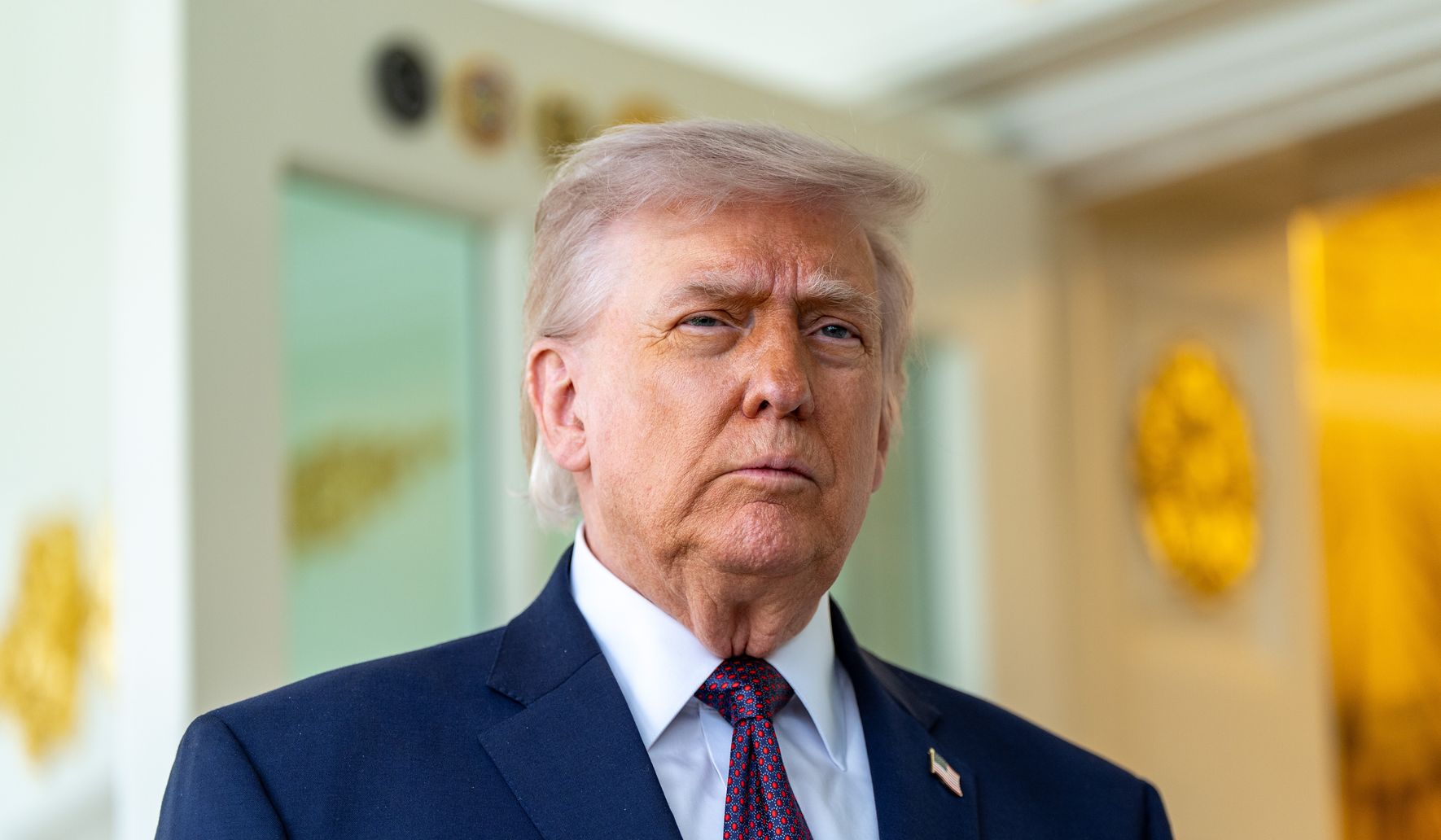
President Trump says the war with Iran “very close to over” as both sides weigh another round of talks aimed at a lasting peace.
President Trump told reporters the conflict with Iran is “very close to over” and pointed to fresh signs that both sides are ready to consider another round of talks. That line came amid a cautious optimism in Washington and allied capitals that diplomacy, not endless escalation, could set the terms for a durable quiet. Republicans in and out of government are framing the moment as a vindication of a strategy that mixes pressure with clear negotiating expectations.
The Republican view stresses that strength at the outset makes talks possible now. Months of sanctions, targeted strikes, and steady intelligence work made Tehran feel the cost of open confrontation, the argument goes, and that leverage is what forces a realistic partner to sit down. This approach rejects the idea that talks should start from weakness or that concessions without enforceable terms lead to peace.
Trump and his team have signaled they want an agreement that prevents Iran from rebuilding its capacity to threaten the region and American forces. Lawmakers on the right insist any deal must include verification mechanisms and consequences for violations. That means insisting on inspections, timelines, and durable penalties so the United States and its partners can hold Tehran accountable.
At the same time, Republican leaders are warning against premature praise that lets Iran off the hook. They argue that rhetoric must match reality and that any arrangement needs teeth. If diplomacy succeeds, it should do so on terms that reduce risk for Israel and Gulf partners while protecting American interests and personnel.
Behind the scenes, officials are reported to be exploring how to sequence concessions so Iran cannot game the system. The objective is clear: secure a peace that lasts and deny Iran the ability to pivot back to disruptive behavior. That means tough inspections and staged relief that only comes after demonstrable compliance.
Critics on the left will urge quick rewards and broad forgiveness, but the Republican stance favors conditional progress and tactical patience. The concern is that rushing will merely trade a pause in hostilities for a future restart of the same threats. Republicans prefer a measured road to peace that transforms behavior rather than papering over bad actors.
Domestically, the White House is selling the outcome as a triumph of deterrence plus diplomacy. Voters who favor a robust posture want to see real limits, not just flashy headlines. Republicans are framing success as one that strengthens U.S. credibility and prevents costly military entanglements down the road.
There is still a lot to work out and no guarantee talks will produce a final deal, but the current window offers a chance to lock in stability without committing to open-ended military options. If negotiators stick to enforceable terms, the United States can emerge with reduced threats in the region and a clearer path to protecting its allies and interests. The moment calls for steady hands and firm demands so that any agreement actually changes behavior, not merely pauses it.

