

President Trump’s regulatory rollbacks have clear wins, but tariffs and other executive moves risk wiping out those gains.
President Trump pushed hard to unwind many Biden-era regulations, and those cuts have produced measurable relief for businesses dealing with red tape. Lower compliance costs and faster approvals have freed up time and capital for companies that had been hamstrung. Still, the policy picture is mixed when other White House actions push costs back onto consumers and producers.
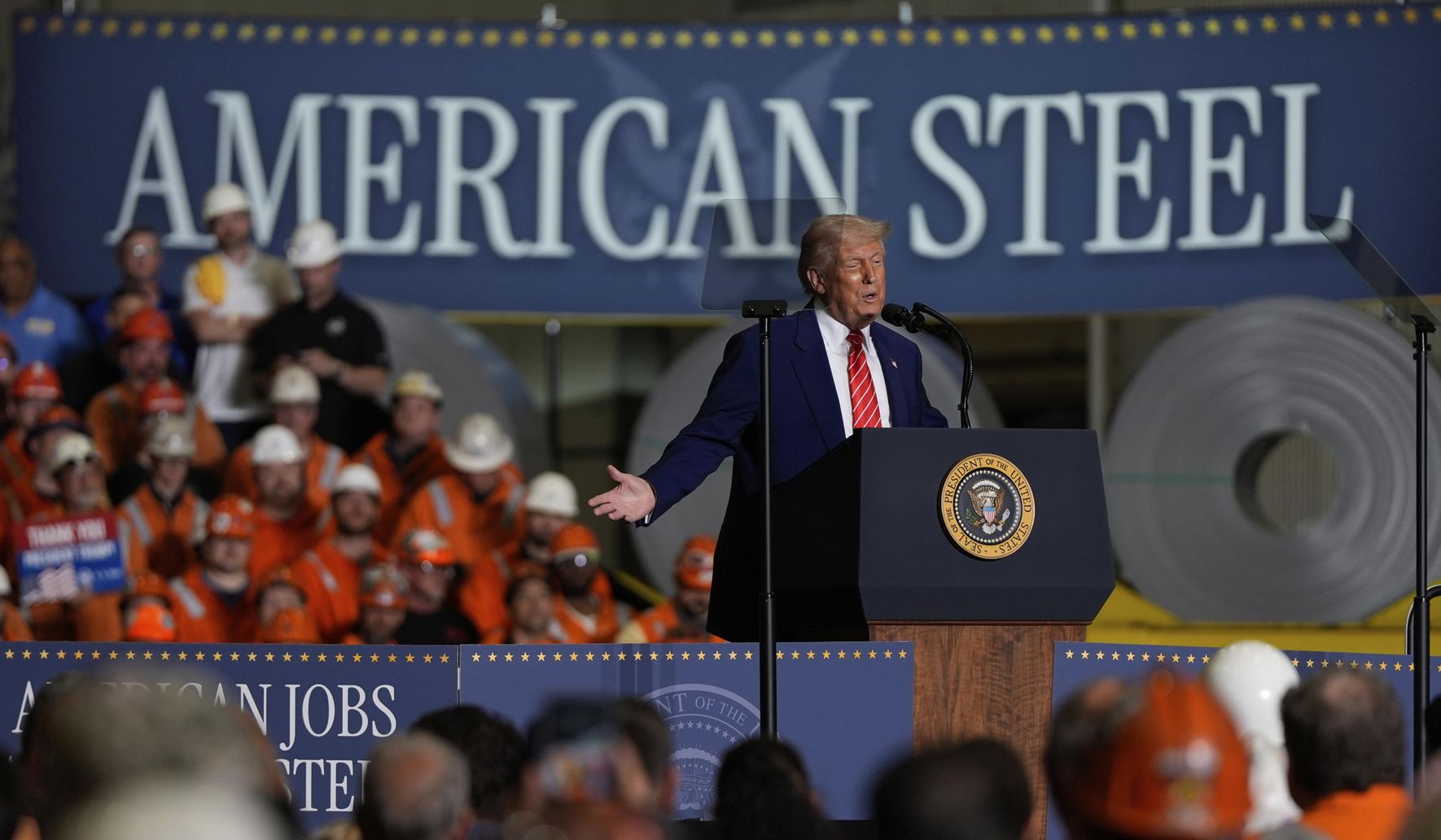
The most visible counterweight has been tariffs. Tariffs raise input costs for manufacturers and farmers who rely on imported parts and materials, and those higher costs often land squarely on American families at the checkout. Even when deregulation lowers the cost of doing business, added duties can blunt those savings and shift profits away from job creators.
Executive actions beyond tariffs also matter. Broad proclamations, sudden enforcement changes, and surprise policy shifts create uncertainty that businesses hate more than high taxes. Companies plan around a predictable set of rules; when the rules swing from one extreme to another, hiring, investment, and long-term projects get postponed or canceled.
There’s a clear trade-off between deregulation and aggressive trade policy. Cutting regulatory barriers should make America more competitive and attractive for domestic investment, but trade barriers can make U.S.-made goods less competitive abroad and more expensive at home. A consistent economic strategy needs both lower regulatory burdens and steady trade rules that reward producers and consumers.
Workers feel the tension in different ways. Deregulation can speed project approvals, expand hiring in sectors like energy and manufacturing, and reduce costs that otherwise eat into wages. At the same time, tariffs can restrict market access for exporters and invite retaliatory measures that hit farms and factories hard. The net outcome for employment depends on which policies dominate over time.
Investors and small-business owners watch for clarity. When regulations are pared back on a clear timetable, capital flows into growth opportunities and small firms plan expansions. When the White House layers on trade measures or fluctuating executive orders, lenders and investors demand higher returns to offset risk. That raises borrowing costs and slows the very expansion deregulation was supposed to spark.
Policy coherence would amplify gains. A conservative approach favors long-lasting regulatory reform that lowers compliance burdens and improves agency accountability. Pairing that with stable, market-friendly trade policy prevents one hand of government from undoing what the other hand achieves. Predictability in both areas is what lets families and businesses build for the future.
Practical fixes are straightforward from a Republican perspective. Keep cutting outdated rules that serve bureaucrats more than citizens, and lock in sensible procedural reforms so future administrations cannot instantly reverse progress overnight. At the same time, use trade tools sparingly and strategically so they don’t become a tax on American competitiveness.
There’s also a political angle that can’t be ignored. Voters reward policies that make life easier and cheaper, not signals that Washington is thriving on chaos. Showing that deregulation tangibly lowers costs without offsetting penalties will resonate, especially in states that rely on manufacturing and agriculture. Conversely, inconsistent signals from the administration open the door to criticism that promises aren’t matching results.
Put simply, trimming red tape and wielding trade powers at the same time can cancel each other out unless both are managed with a coherent economic strategy. The administration has demonstrated it can remove burdensome rules, but sustaining those benefits requires restraint and clear priorities in other areas of policy. Keep the focus on long-term competitiveness, not short-term headlines, and the gains from deregulation will be more likely to stick.

