

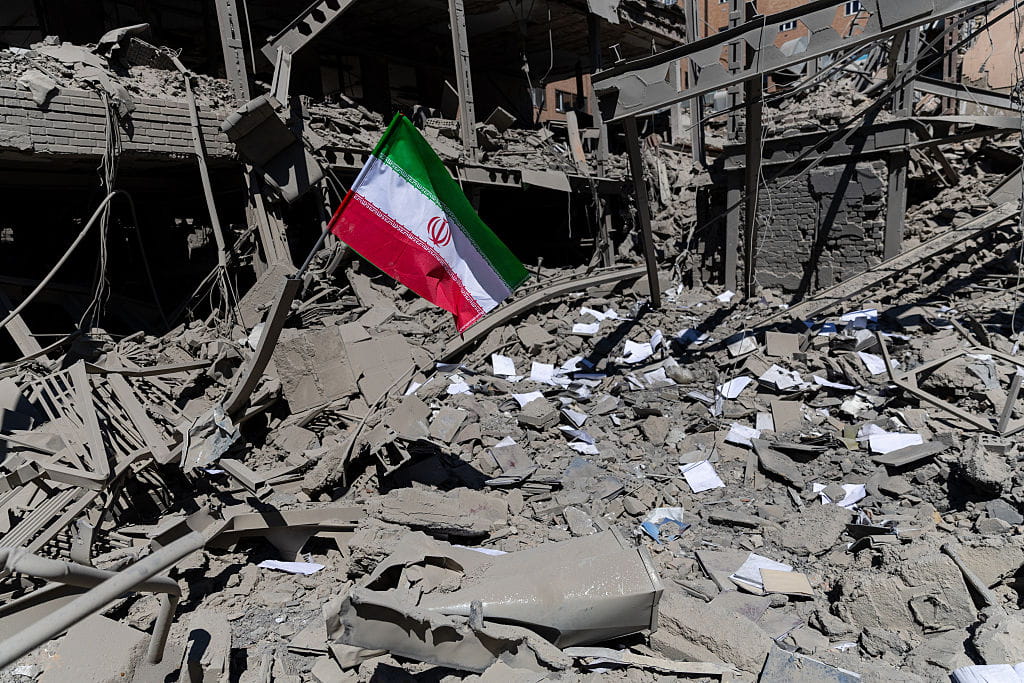
Late on April 7 a framework for a U.S.-Iran agreement emerged, brokered by Pakistan, with both Washington and Tehran publicly working on a ten-point plan that includes the cessation of hostilities and steps around the Strait of Hormuz.
Late Tuesday evening, April 7, a fragile diplomatic outline surfaced just ahead of President Donald Trump’s deadline for Iran to re-open the Strait of Hormuz. Pakistan acted as an intermediary, bringing the two capitals into a public acknowledgment that they are pursuing a ten-point plan. This development quickly shifted the tone from brinkmanship to cautious negotiation.
The plan is reported to include the “cessation of hostilities” and measures to restore navigation through the strait, though details remain scarce and subject to confirmation. Both sides have signaled willingness to talk, which is a change from the recent cycle of escalations and sanctions. For Republicans, this is an example of pressure producing an opening without cutting off leverage.
From a conservative perspective, deadlines and clear expectations matter. The presence of a firm date — April 7 — put Iran on notice and shaped the negotiating environment. Strong diplomacy backed by credible military and economic pressure is what created the space for Pakistan to broker contact and for a ten-point outline to appear.
Verification and enforcement must be central to any durable deal, because past agreements with Tehran have failed when monitoring was weak. Republicans will insist on mechanisms that allow rapid, transparent confirmation of compliance, and on triggers that restore pressure if Iran backslides. Without enforceable steps, a signed paper risks becoming another temporary pause rather than a lasting solution.
Keeping the Strait of Hormuz open is a strategic imperative for global trade and U.S. allies, and it directly affects American economic and security interests. The arrangement reportedly aims to remove immediate threats to commercial and naval traffic while addressing hostile actions. That pragmatic focus, if real and verified, aligns with a Republican preference for resolving specific risks rather than broad, open-ended concessions.
Pakistan’s role as go-between highlights the value of regional actors who retain lines to Tehran and can de-escalate at low political cost. The United States should use such channels while keeping its own diplomatic leverage intact. Republicans favor leveraging allies and regional partners to multiply pressure and reduce direct exposure to risk.
Any ten-point plan must include clear timelines and consequences. Republicans will watch for language that ties compliance to lifting of specific sanctions and to verifiable limits on Iran’s ability to project power through proxies and shipping interdictions. If Washington secures a genuinely binding cessation of hostile actions and re-opened access to the Strait of Hormuz, it will be a tactical win that preserves strategic leverage.
Congress and the American people will demand clarity about what concessions, if any, are on the table and how the administration plans to ensure long-term compliance. Lawmakers will press for concrete commitments, oversight, and contingency paths that can be activated if Iran violates the terms. That insistence on accountability reflects a Republican view that peace through strength must be durable to matter.
For now, the public acknowledgment by Washington and Tehran that they are working toward a ten-point plan is a moment to guard against false optimism. Diplomacy is welcome, but it must be backed by checks, balances, and continued readiness to reapply pressure. The days after April 7 will test whether this framework becomes a meaningful de-escalation or another pause that collapses without enforcement.

