

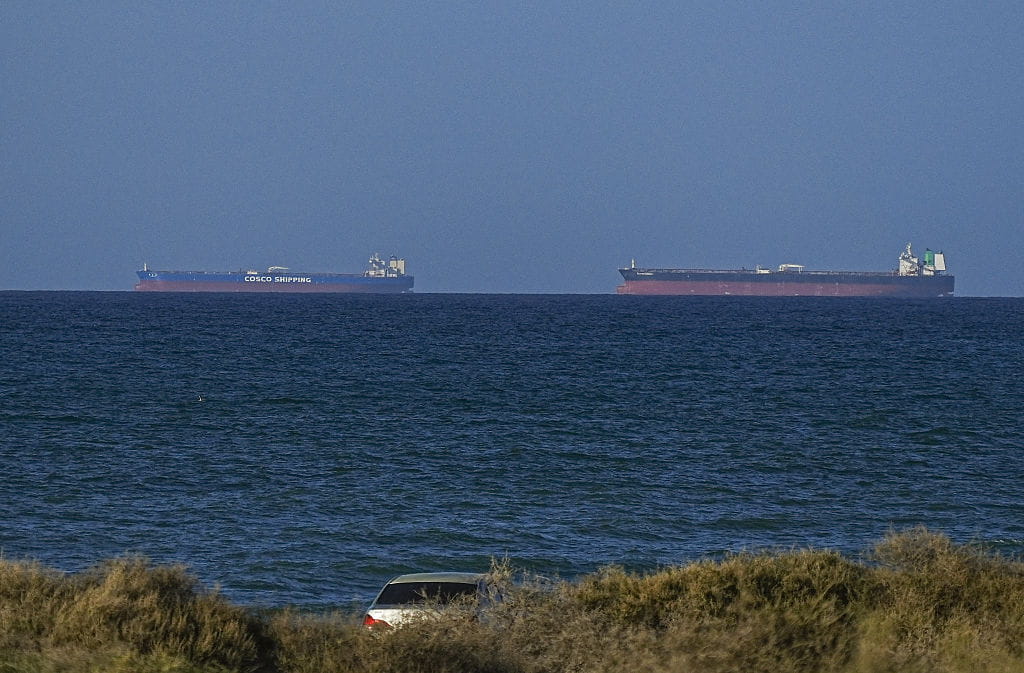
The Trump administration responded to failed talks with Iran by ordering the United States Navy to set up a traditional blockade of the Strait of Hormuz, a move meant to stop ships from transiting into or out of that crucial waterway and to send a clear deterrent signal.
When negotiations with Iran broke down, the administration decided against passive measures and chose direct military action to protect American interests. The United States Navy will establish a traditional blockade of the Strait of Hormuz, preventing transit into or out of the waterway. That is a blunt, old-school step designed to control a choke point vital to global energy flows.
Blockades are uncommon because they demand large numbers of ships and constant patrols to be effective. Historically, blockades are seldom used, since they require a significant number of naval resources to be effective. Still, a full blockade makes it harder for an adversary to conceal shipments or use maritime traffic to move material to proxies.
From a Republican perspective, this is the kind of decisive action required when diplomacy stalls and threats persist. The point of a blockade is not to be subtle; it is to change behavior by denying access rather than relying solely on sanctions or words. It puts teeth behind policy and forces competitors to reckon with real costs.
Operationally, a traditional blockade means ships on station around the chokepoint, strict identification checks, and rules of engagement that let crews stop and board suspicious vessels. That sort of maritime policing requires carriers, destroyers, support ships, and logistics that can endure weeks of high-tempo operations. The Navy’s ability to sustain those operations depends on precise planning and allied cooperation.
Allies will be asked to play their part, because a blockade of the Strait of Hormuz affects global trade and regional security. Partners who depend on Gulf oil will want assurances that commerce can continue under controlled conditions. Coordinated patrols and intelligence sharing reduce the load on U.S. forces and strengthen the legal and political case for enforcement.
Legally, a blockade sits in a different category than sanctions or naval escorts; it is a wartime tool that must be carefully framed to avoid unintended escalation. The administration will need to justify the measure under international law while keeping communications open to prevent miscalculation at sea. Clear public rules of engagement and transparent reporting reduce the risk of incidents that could spiral out of control.
For global markets, even the announcement of a blockade can rattle energy prices because the Strait of Hormuz handles a large share of the world’s oil shipments. Traders hate uncertainty, and naval operations introduce a new element of risk into shipping schedules and insurance costs. The policy trade-off is that a controlled blockade aims to stabilize the region by making Iran’s coercion more costly.
Iran’s likely responses include diplomatic protests, asymmetric attacks on shipping, and use of proxy forces to test the blockade’s limits. Those are risks every policymaker must weigh, but standing down in the face of provocative behavior only invites more aggression. A firm maritime posture seeks to prevent those incidents by raising the cost of hostile action.
Domestically, the move appeals to voters and lawmakers who favor strength and clarity in foreign policy. Republicans will argue that a tangible action like a blockade shows resolve and protects U.S. allies and commerce without immediately committing ground forces. It is a calibrated use of naval power that signals America will not allow strategic waterways to be manipulated by hostile states.
Adversaries should take note that controlling access to critical sea lanes is a practical lever in international affairs. A blockade changes the operational environment by turning freedom of movement into a conditional privilege rather than an assumed right for those tied to hostile behavior. That reality encourages other nations to pressure Tehran to de-escalate.
The choice to implement a blockade reflects a preference for direct, enforceable measures over indefinite negotiations that produced no results. It is a reminder that when talks fail, forceful alternatives remain on the table to defend national interests. The Navy will do the hard work; policymakers must accept the responsibility that comes with ordering such a sustained military posture.

