

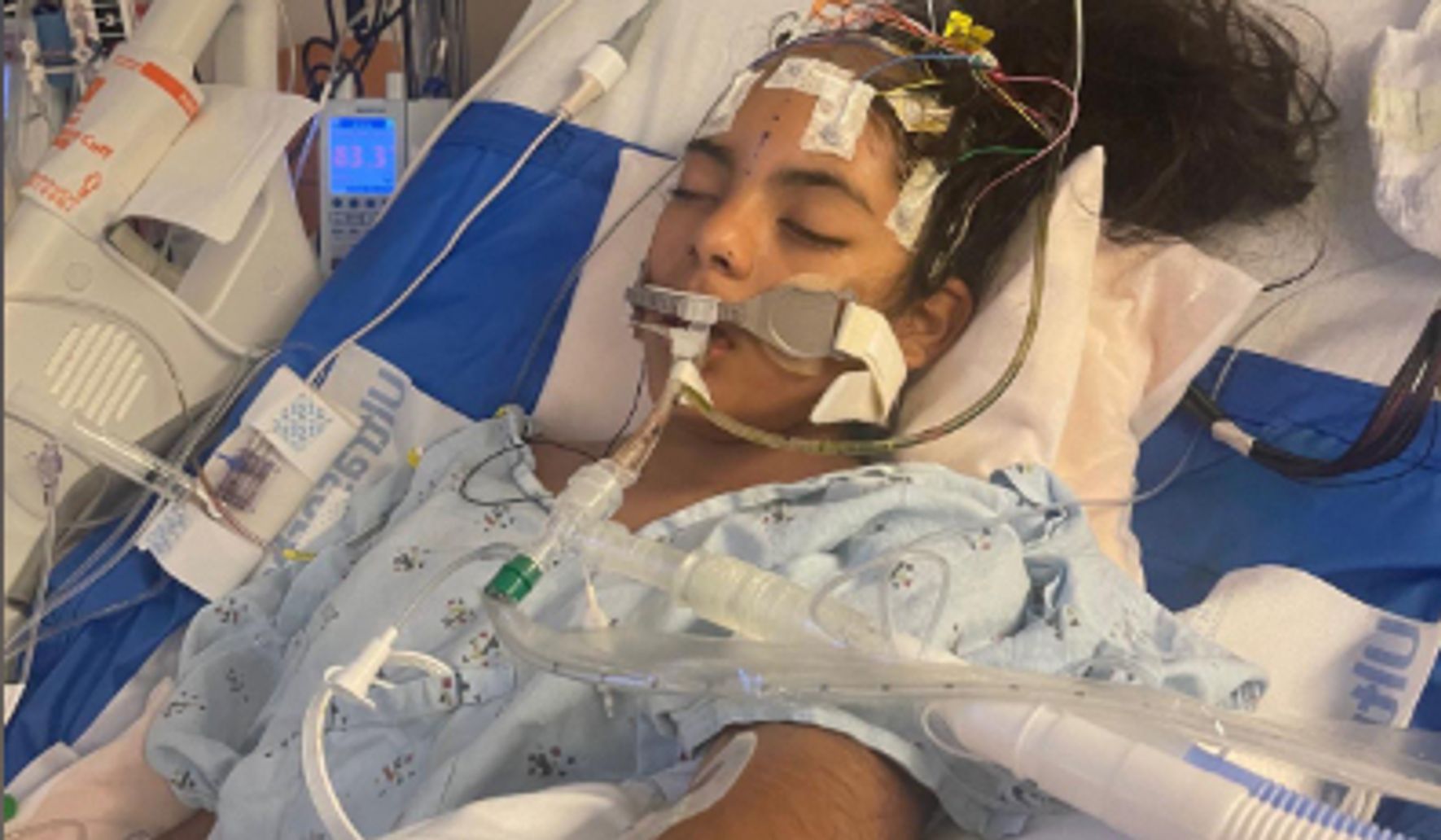
A 12-year-old has been arrested after a classmate died from a head injury reportedly caused by a metal water bottle during an alleged bullying incident at a Los Angeles school.
The arrest of a 12-year-old has left parents, students, and educators searching for answers about what happened on campus. School leaders and law enforcement are now coordinating to piece together the events that led to a tragic death. The core facts reported so far are straightforward: a classmate was struck in the head with a metal water bottle and later died.
Officials describe the episode as an alleged bullying incident, a phrase that signals both ongoing investigation and community concern. When a peer assault ends in fatal injury, protocols for school safety, supervision, and reporting all get scrutinized. Families want clarity about how supervision failed and what steps will prevent a repeat.
School officials have not released the names of those involved because the case concerns minors, but they have acknowledged the seriousness of the event. Law enforcement is treating the situation as a criminal matter, which brings juvenile justice procedures into play. That shift means the public learns fewer details while authorities follow legal steps to protect both the investigation and the rights of the children.
Students and parents at the school reported shock and grief as administrators closed ranks to manage immediate fallout. Counselors and support services are often deployed after incidents like this, and many families seek reassurance that the campus will be safe going forward. Community meetings and school communications typically follow to update families without compromising investigatory needs.
Witness accounts and surveillance footage, when available, become central to establishing a timeline and motive. Investigators will look for corroborating evidence to confirm whether the event was intentional, reckless, or accidental. The difference between an altercation and deliberate bullying can steer both criminal charges and school discipline outcomes.
Juvenile arrests carry different legal consequences than adult charges, focusing more on rehabilitation in many cases but also allowing for prosecution depending on the severity. The age of the arrested child underscores the tension between holding someone accountable and addressing developmental factors. Legal experts and child advocates often debate how best to balance protection of the community with appropriate responses for young offenders.
Bullying itself is a complex issue that schools across the country confront daily, spanning verbal taunts, social exclusion, and physical violence. This case highlights the potential for escalation when bullying is ignored or inadequately addressed. Districts generally review policies and training after incidents to tighten supervision and improve reporting channels.
Lawmakers and school boards sometimes respond to serious incidents by proposing clearer anti-bullying rules, mandatory reporting, or stricter supervision requirements during breaks and transitions. Those policy shifts aim to create safer environments, but they also prompt discussions about funding, staffing, and practical enforcement. Parents and educators frequently call for balanced approaches that protect students while recognizing the realities schools face.
Investigators will likely interview multiple students, staff, and any adults on site to reconstruct the sequence of events. Medical examiners provide crucial information about the nature of the injury, which can determine whether the case proceeds as manslaughter, assault, or a different charge. Each finding narrows how authorities categorize the incident and define next steps legally and administratively.
Community reaction often includes a mix of grief, anger, and a desire for transparent answers, sometimes leading to public meetings or statements from local officials. Schools usually aim to maintain routine for other students while addressing trauma and ensuring safety. Effective communication is critical, but it must be balanced against legal constraints and respect for the privacy of minors.
This incident will likely prompt renewed attention to classroom culture, supervision at common areas like cafeterias and playgrounds, and how schools intervene in peer conflicts. Training for staff on de-escalation and for students on conflict resolution can be part of the response. Ultimately, the goal is to restore a sense of safety and trust within the school community while the legal process runs its course.
As investigators continue their work, families directly affected by the loss will seek both accountability and support. The case raises hard questions about prevention, appropriate discipline, and how schools safeguard all students. Answers will unfold through the legal process and through district actions aimed at preventing another tragedy like this one.

