

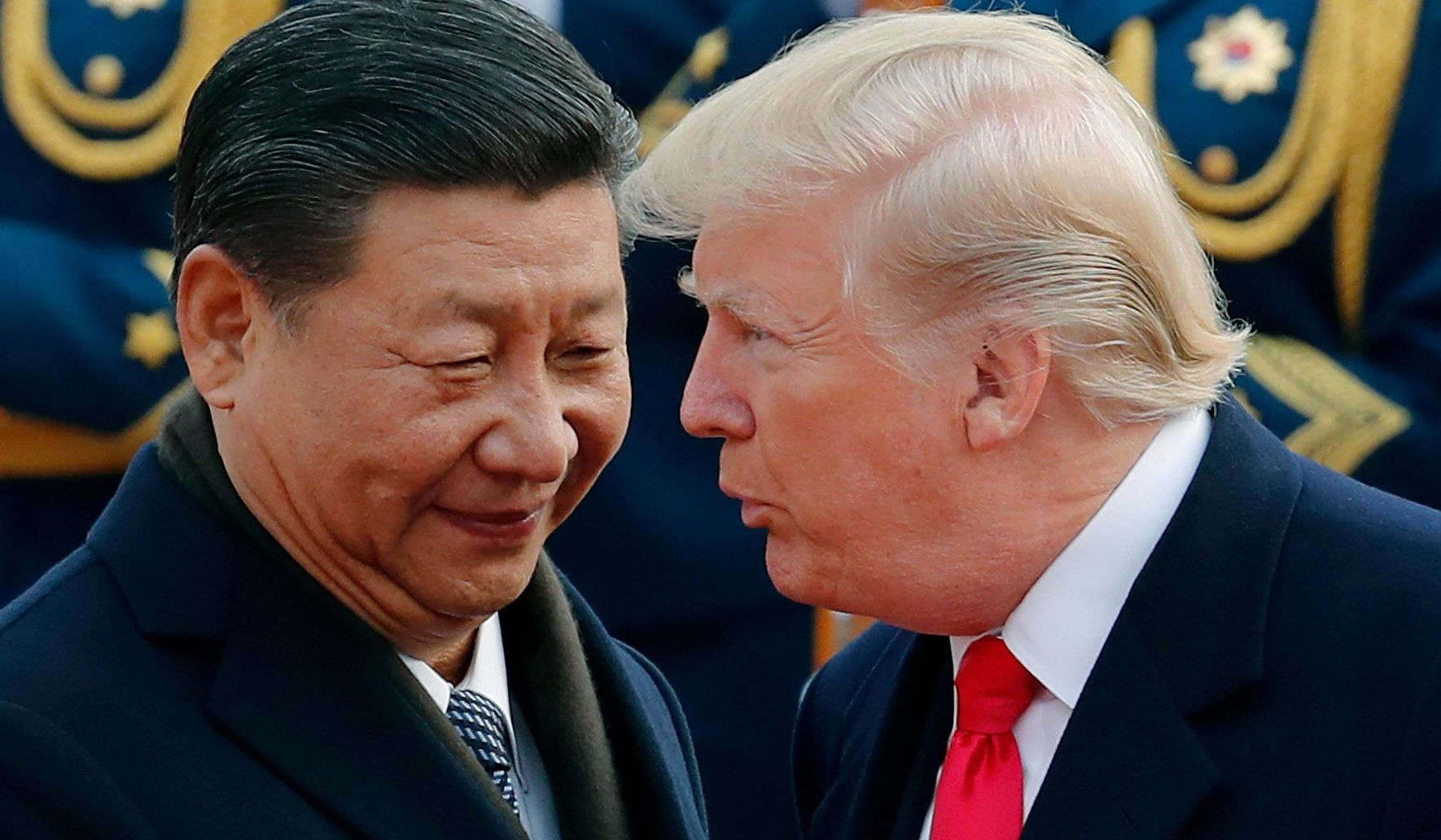
President Trump has signaled a willingness to negotiate on trade with China while keeping leverage in hand, and this piece lays out the Republican view on how to protect American workers, press for fair treatment, and use concessions only as strategic tools. I explain why measured give-and-take can be part of a broader pressure campaign, where tariffs and industrial policy remain on the table to secure lasting change. The tone here is pragmatic: strong posture first, serious bargaining second, and a clear focus on results for U.S. industry and national security.
“President Trump suggested that concessions could be on the table to alleviate the trade tensions between the U.S. and China.” That line matters because it shows a negotiating instinct, not weakness, and it should be read alongside a firm demand for reciprocity. From a Republican perspective, concessions are acceptable if they buy concrete reforms that level the playing field for American businesses.
First, any concession must produce measurable outcomes, not vague promises, and verification comes before rewards. We learned the hard way that empty commitments do not change state-directed theft, forced technology transfers, or subsidies that distort markets. In short, trade relief should follow clear, enforceable benchmarks that favor American competitiveness.
Second, tariffs and tariffs-like measures remain essential leverage, and no deal should remove our tools prematurely. A strong posture forces Beijing to negotiate seriously and puts U.S. negotiators in a position of strength. Republicans see tariffs as part of a broader toolkit, one that includes export controls, investment screening, and targeted industrial policy to rebuild supply chains here at home.
Third, any compromise must protect critical industries and national security interests, not hand them over in the name of short-term stability. Semiconductor production, rare earth access, and defense-adjacent manufacturing are areas where concessions are off the table because they underpin our sovereignty. Pragmatic bargaining can proceed, but strategic sectors require ironclad safeguards.
Fourth, enforcement and verification are the real currency of a deal, and Republican policy favors concrete inspection regimes and penalties for backsliding. If concessions are extended, they should be tied to on-the-ground audits, timely reporting, and automatic consequences for violations. That prevents negotiated advantages from evaporating once the cameras leave.
Fifth, any trade settlement must benefit American workers and not merely multinational firms with offshore interests, and Republicans prioritize jobs, wages, and communities. Real relief means restoring manufacturing capacity, expanding apprenticeships, and rewarding companies that reshore critical production. A deal that skimps on those items is not a victory for voters who sent a clear message demanding stronger economic sovereignty.
Finally, diplomacy should be coordinated with allies and paired with domestic reforms to reduce dependence on adversarial supply chains. Working with partners increases bargaining power and shares the burden of securing global supply networks. Republicans back a two-track strategy: defend American interests directly while building international pressure that makes meaningful Chinese concessions more likely.
To sum up the practical stance without softening resolve, concessions are tools, not outcomes, and they must produce enforceable, verifiable benefits for the United States. The negotiating path should be firm, targeted, and measured, with a constant eye on jobs and security at home. That approach keeps leverage where it belongs and makes sure any deal advances lasting American advantage.

