

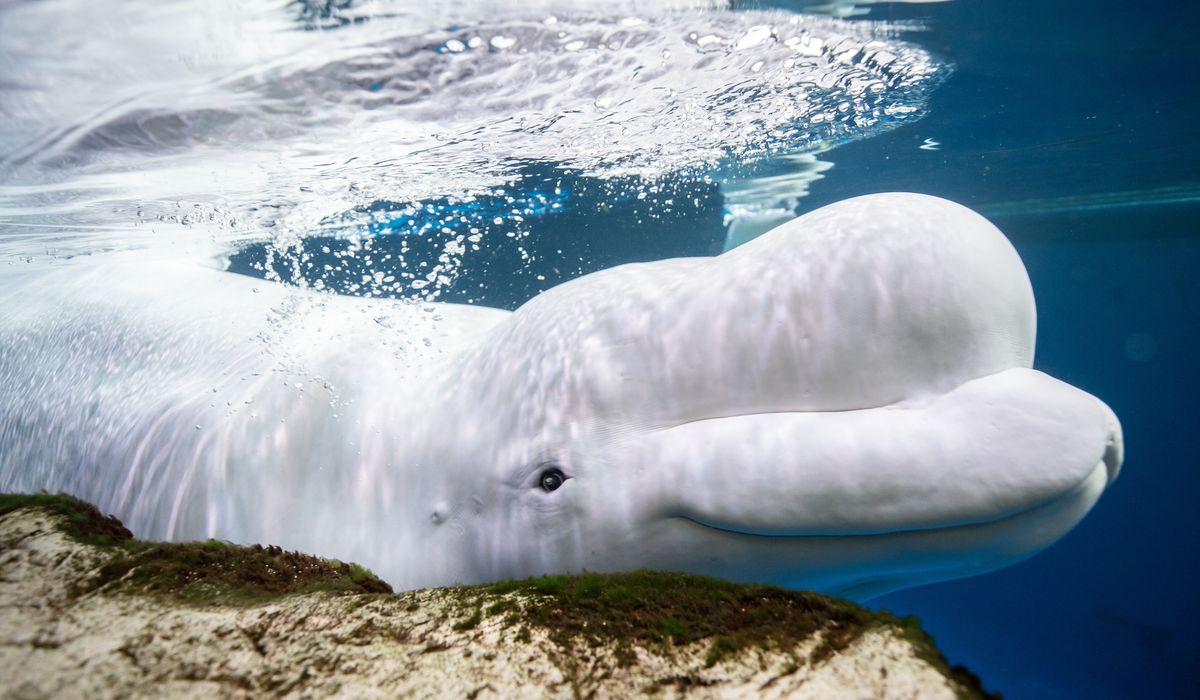
Two beluga whales moved from the now-closed Marineland of Canada to Chicago’s Shedd Aquarium died soon after their transfer, prompting fresh scrutiny of marine mammal relocations and the institutions that manage them.
Two female beluga whales transferred from the defunct Marineland of Canada theme park to Chicago’s Shedd Aquarium have died shortly after their relocation. The news landed quickly and raised immediate questions about how these kinds of transfers are handled, the oversight involved, and the welfare of animals moved between parks and aquariums. Families of the animals, advocacy groups, and officials are all watching for details from those responsible for the transfer. Inconsistent messaging and gaps in publicly available information tend to increase concern after events like this.
Transporting large marine mammals is logistically complex and inherently risky, and experts often point to a range of stressors that can affect animals during and after a move. Changes in water chemistry, diet shifts, new social groupings, and the simple shock of travel can all undermine an animal’s resilience. Veterinarians typically monitor clinical signs closely during transfer and after arrival, but even routine monitoring may miss subtle problems that manifest later. The timing of these deaths relative to the move makes those factors central to any review.
Facilities that receive transferred animals have protocols, quarantine spaces, and veterinary staff intended to reduce risk, yet outcomes are not always predictable. When a park closes, animals are sometimes relocated on accelerated schedules, which can compress planning time and strain resources. Careful coordination among sending and receiving institutions, regulators, and transport teams is essential, but transparency about those arrangements is what reassures the public. Without access to full records or independent oversight, speculation tends to fill the vacuum.
Public reaction typically includes a mix of grief and calls for accountability, with animal welfare groups pressing for clear timelines and release of veterinary reports. Activists and former employees often spotlight past inspection records, prior health histories, and the conditions at the originating facility to build a fuller picture. Regulators may open inquiries to determine whether legal requirements for transport and care were followed, while professional associations might review whether best practices were observed. All of that can take weeks or months to yield official findings.
At the center of this story are the animals themselves and the ethical questions their movement raises about captivity, conservation, and the responsibilities of institutions that keep marine mammals. Belugas are social, intelligent animals with complex needs, and critics argue that transfers between facilities can disrupt established social bonds and routines critical to well-being. Supporters of accredited institutions emphasize rehabilitation, rescue, and species survival efforts, noting that sometimes relocation can be in an animal’s best interest. The dispute over motive and method often boils down to differing views about acceptable risk and institutional competence.
Regulatory frameworks differ by jurisdiction but usually require permits, health clearances, and reporting for the interstate or international movement of protected species. Enforcement can vary, and gaps in oversight are frequently cited by those advocating for stronger federal or provincial standards. Transparency about permits, the people involved in transport, and post-transfer monitoring tends to reduce public mistrust. When agencies release documentation in a timely way, it helps independent experts evaluate what happened and why.
Media coverage of events like this also shapes public understanding and policy pressure, and outlets often call for quick answers from the institutions involved. Clear, consistent communication from facilities that receive transferred animals is crucial to avoid misinformation and to show that all reasonable measures were taken. Independent veterinary reviews and third-party audits are sometimes requested to bolster confidence in the processes used. That outside scrutiny can lead to recommended changes in practice regardless of whether wrongdoing is found.
Longer-term consequences of such incidents can include changes to transfer policies, heightened inspection regimes, and more robust community oversight of animal welfare practices. Facilities may revise their intake procedures, bolster quarantine and monitoring protocols, or rethink criteria for accepting animals from closing parks. Advocacy organizations frequently push for legally binding standards and for stronger enforcement mechanisms to ensure those rules are followed. The debate around captive marine mammals and how best to protect them is unlikely to quiet down after high-profile losses.
Families, employees, and community members often seek both humane treatment for affected animals and assurance that lessons will be learned to prevent future losses. Detailed timelines, veterinary findings, and clarifications about decision-making are the kinds of information that can help rebuild trust. Regardless of institutional intent, transparency and independent review are the channels most likely to address lingering questions and guide improvements in the care and transfer of vulnerable species.

