

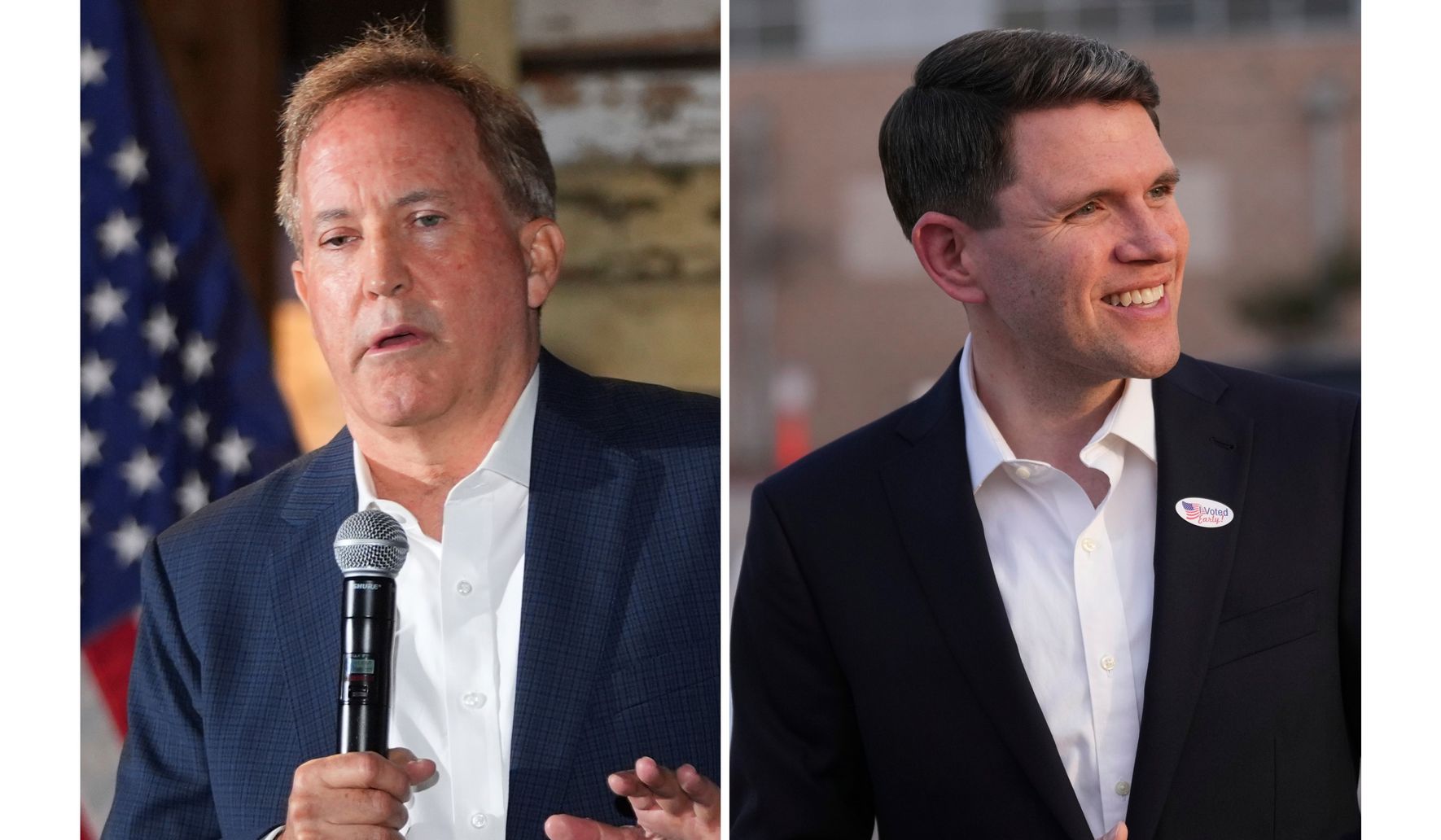
President Trump’s political operation went public Saturday with a major initial general election spend, launching a significant ad buy in Texas’ high-stakes Senate race and signaling a heavy early investment from a cash-rich war chest.
Republican strategists see this as a decisive move that changes the early dynamics in a state that still matters for Senate control. The operation, known for deep fundraising and aggressive media plans, opened the general election account and moved quickly into the Lone Star state. That early push throws resources behind the GOP effort at a moment when momentum can matter most.
The timing — a first wave disclosed on Saturday — is deliberate. It puts pressure on opponents to respond and forces them to defend ground sooner than they might have planned. For supporters watching the map, it’s proof that the campaign is willing to spend where it can deliver Senate gains rather than drift into reactive buys.
Texas has been close enough in recent cycles to make every dollar count, and a “huge ad buy” there is not just money on TV; it’s an argument about where the party believes the country can be won. Ads in key media markets amplify messaging on border security, the economy, and judicial picks, topics that resonate with the Republican base and persuadable voters alike. The buy also buys the campaign time to test themes, measure responses, and pivot quickly if a different narrative gains traction.
Deploying a large early buy from a central, well-funded operation helps ensure consistent messaging across spots and markets, avoiding the scattershot approach that wastes funds. Central coordination keeps creative sharp and the narrative tight, which is crucial in a race decided by small margins. It also signals to donors and grassroots teams that this is a campaign with both the will and the means to contest a competitive Senate seat.
There’s a tactical advantage to being first out of the gate: you set the terms of debate before opponents can catch up. Early ads can define the opponent and frame the contest on issues where Republicans hold the edge. That initial framing can be hard to dislodge later, especially when supported by sustained spending and targeted grassroots activity.
Beyond raw dollars, this move underlines a broader strategy focused on states where Senate control hinges on turnout and persuasion. Texas’ size means a well-placed ad strategy must be precise, hitting suburban pockets, border counties, and growing exurban markets that decide statewide outcomes. For Republican voters and activists, it’s a clear signal that the national operation views the state as winnable and worth protecting with a coordinated campaign plan.
Critics will call it heavy-handed or premature, but in modern campaigns, speed and scale can translate into advantage. An early, visible investment forces the other side to respond on the fly, reallocating their resources or diverting attention from other battlegrounds. For those who back the campaign, the disclosure on Saturday is confirmation that winning the Senate is a top priority and that the operation intends to back candidates where it matters most.
Long-term, the same money that buys ads now can fund voter outreach, digital engagement, and legal preparedness closer to Election Day, but the first wave matters because it shapes the conversation. It tells voters what the campaign believes is on the line and where it plans to defend or expand its Senate footprint. That clarity, backed by a sizable war chest, is a core strength in competitive environments.
The immediate payoff will be measured in polling shifts, earned-media reactions, and opponent countermoves over the coming weeks. For now, the important takeaway for Republicans is that the national operation has committed resources early, readied messaging for a tough contest, and chosen Texas as an early test of whether the strategy will pay off. The ad buy is a statement: this cycle will be fought hard, and the resources to do it are already in motion.

