

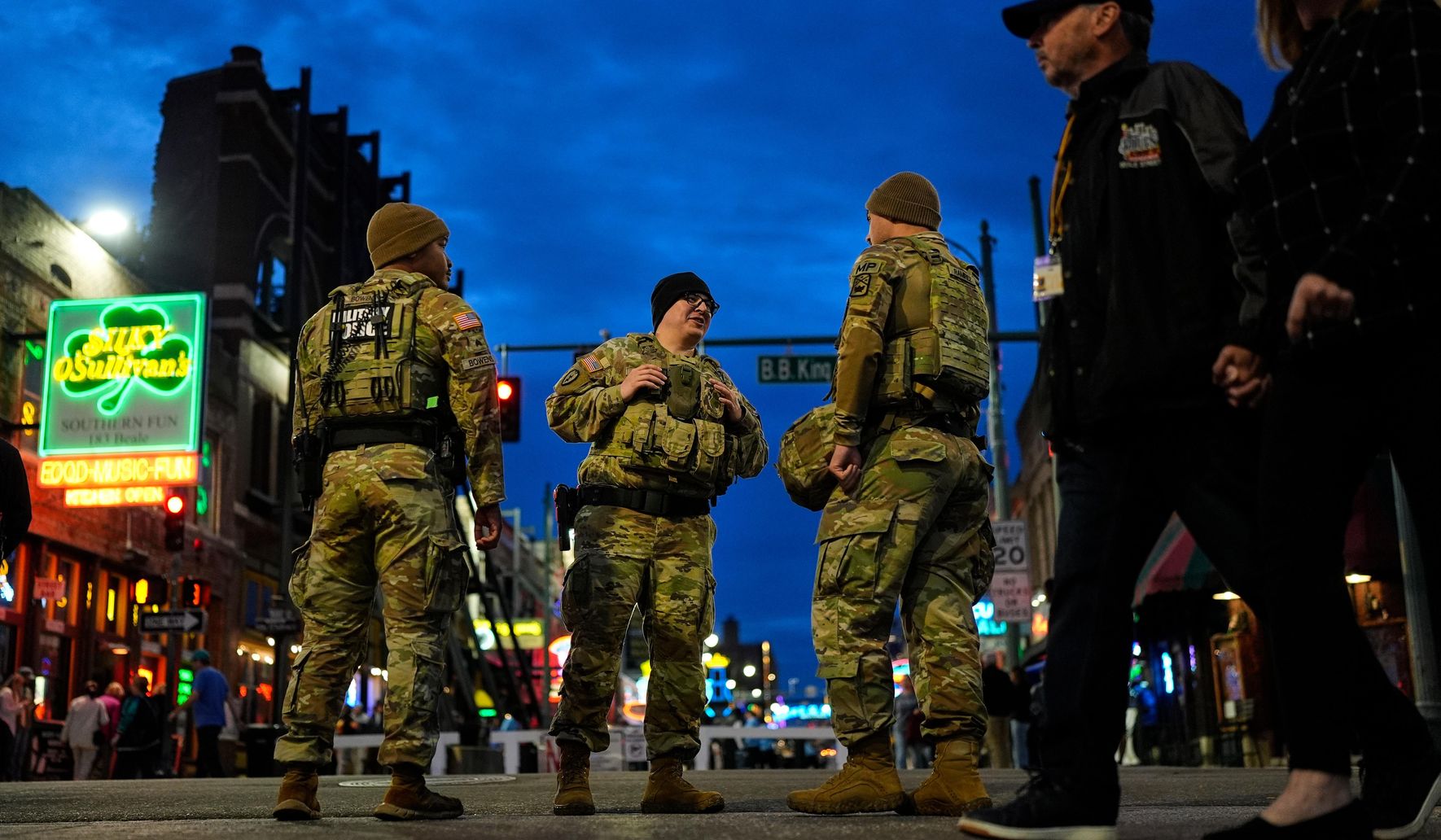
A Tennessee judge on Monday night blocked the use of the National Guard in Memphis under a crimefighting operation by President Donald Trump but also put the order on hold, giving the government five days to respond. This decision pauses federal plans to deploy Guard troops while the court sorts the legal fight. The ruling has immediate consequences for law enforcement coordination and the politics around federal intervention in cities.
The judge’s action creates a temporary barrier to the federal plan to send National Guard forces into Memphis as part of a crimefighting operation tied to President Donald Trump. Republicans who support the deployment argue it was designed to back up local police and restore public safety where violence has surged. The hold puts that effort in limbo while the courts decide whether the federal government can lawfully step in the way it proposed.
From a Republican viewpoint, this sort of federal support is about muscle and resolve, not about replacing local law enforcement. When a city faces spikes in violent crime, leaders in Washington should be able to offer targeted assistance without being shut down immediately by a judge. The legal pause is frustrating for those who see quick action as the right answer for safety and deterrence.
The judge also gave the government a narrow window to respond, which frames the next phase as a legal sprint rather than a long policy debate. That timeline matters because it forces federal lawyers to make a rapid case for authority and necessity. A swift government rebuttal could preserve the option to move forward if the judge is persuaded that the deployment fits constitutional and statutory limits.
Local leaders in Memphis now face uncertainty over whether additional uniformed federal resources will arrive. City officials will need to plan both for continued independent policing and for the possibility of federal reinforcements if the hold is lifted. Businesses, neighborhoods, and residents will watch closely for any changes in patrol patterns and public safety messaging.
Political optics are obvious and immediate. Republicans can argue that the judge blocked a commonsense effort to reinforce law and order, while critics will say judicial oversight is protecting local control and civil liberties. This case neatly crystallizes that national debate about who should act first when public safety is at stake and how federal power should be balanced against local jurisdiction.
Beyond politics, there are practical questions about coordination and command when National Guard personnel operate in a city. Republicans often stress interoperability, meaning Guard troops should work directly with city and county law enforcement to amplify efforts, not complicate them. The legal fight delays answers about how that cooperation would have been organized and who would have been in charge on the ground.
The ruling is also a reminder that federal interventions do not happen in a vacuum. They trigger legal, political, and operational reviews that can slow deployment even when elected leaders see an urgent need. For conservatives, that delay underscores the need for clearer statutes and faster approvals so the executive branch can act decisively when public safety is at risk.
Opponents of the deployment frame the judge’s move as a check on executive overreach and a defense of local decision making. They worry about civilian oversight, mission creep, and the potential for federal troops to operate in ways that undermine local accountability. Those concerns are real, and they shape the court’s assessment of whether the National Guard role would have been appropriate under the law.
As the legal clock starts ticking, both sides will sharpen their public arguments and legal filings. Republicans pushing for the deployment will emphasize the immediate goal of reducing violence and protecting communities, while opponents will press the court on constitutional and statutory limits. The outcome will set a precedent for future federal support in cities confronting spikes in violent crime.
For now, Memphis remains in a holding pattern: the judge has paused the move, the administration has days to respond, and residents are left to wonder how and when additional protection might arrive. That uncertainty will shape local planning and national debate in the weeks ahead as conservatives make the case for decisive federal help and legal clarity on how it can be delivered. The dispute will likely ripple into broader conversations about law enforcement policy and the proper role of federal power in American cities.

