

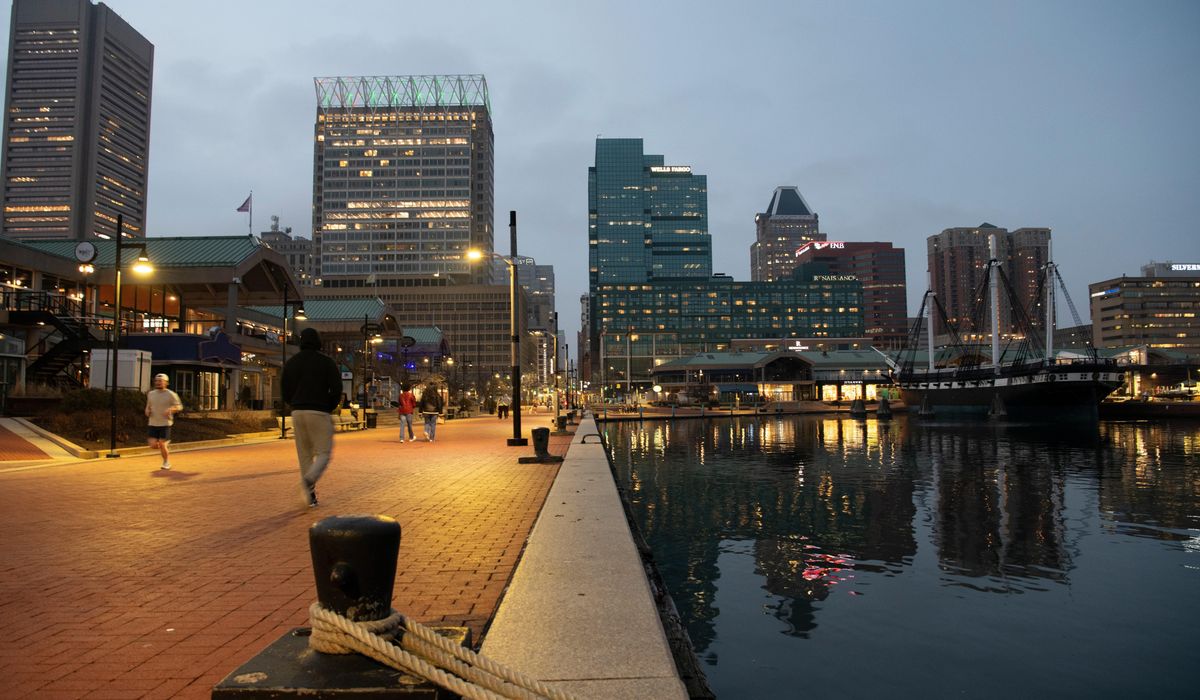
Baltimore’s Inner Harbor experienced a notable fish kill that prompted an investigation by state environmental authorities, drawing attention to how bacteria-driven drops in oxygen can quickly harm urban waterways.
The Maryland Department of the Environment is investigating a fish kill in Baltimore’s Inner Harbor that they say was caused by bacteria that reduced oxygen levels. Teams arrived to document the scene, collect specimens, and begin tracing the conditions that let oxygen levels fall so low that large numbers of fish died. Neighbors and boat operators reported dead and stunned fish, an immediate sign that something unusual had occurred beneath the surface.
Bacteria can create problems for aquatic life when they feast on organic material and use up dissolved oxygen in the water, a process that becomes dangerous in shallow or stratified areas. Warm temperatures and calm conditions make it easier for bacterial activity to outpace oxygen replenishment, and decomposition of plant or animal matter speeds the decline. That chain reaction—more bacteria, less oxygen, stressed fish—is a familiar pattern to scientists studying urban harbors.
Urban waterways like the Inner Harbor are vulnerable because they collect runoff from streets, parking lots, and landscaped areas that often carry nutrients and organic matter. When nutrient loads are high, algae blooms and plant growth can surge, and when that material breaks down, bacteria intensify their activity and oxygen drops. Point sources such as a sewer leak or an overflow after heavy rain can deliver a sudden pulse of organic material that kick-starts the same process.
State investigators typically measure dissolved oxygen at multiple depths, test for bacterial counts, and analyze water chemistry to separate natural events from pollution-driven incidents. Samples of dead fish are examined to look for disease, toxins, or other stressors that might have contributed. All of those steps help officials determine whether the event was an isolated biological response or a symptom of a broader water-quality problem.
The ecological impact of a fish kill reaches beyond the visible carcasses; it affects predators, scavengers, and the balance of species in the harbor, and it can alter food webs for months afterward. For communities that rely on recreational boating, charter fishing, or waterfront businesses, these events also damage confidence and can have short-term economic effects. Restoration of habitat and steady water quality monitoring are both necessary to reduce the chance of repeat events.
Baltimore’s Inner Harbor has a legacy of water-quality challenges, shaped by a dense urban footprint, older sewer infrastructure, and variable storm patterns that bring large volumes of runoff into the basin. Modernizing stormwater systems and reducing untreated discharges are long-term fixes officials and engineers point to when they plan resilience strategies. Meanwhile, near-term monitoring and rapid response help limit damage and guide decisions about where to focus repairs and upgrades.
Experts emphasize that preventing future kills often means addressing multiple sources: cutting nutrient inputs, patching leaks, improving stormwater management, and expanding green infrastructure to absorb and filter runoff. Continuous monitoring networks can flag low-oxygen events early, giving managers a chance to act before fish die-offs spread. The recent investigation is a reminder that even in heavily used urban harbors, the balance of oxygen and microbial activity determines whether a waterbody supports a healthy fish population or becomes hostile to aquatic life.

