

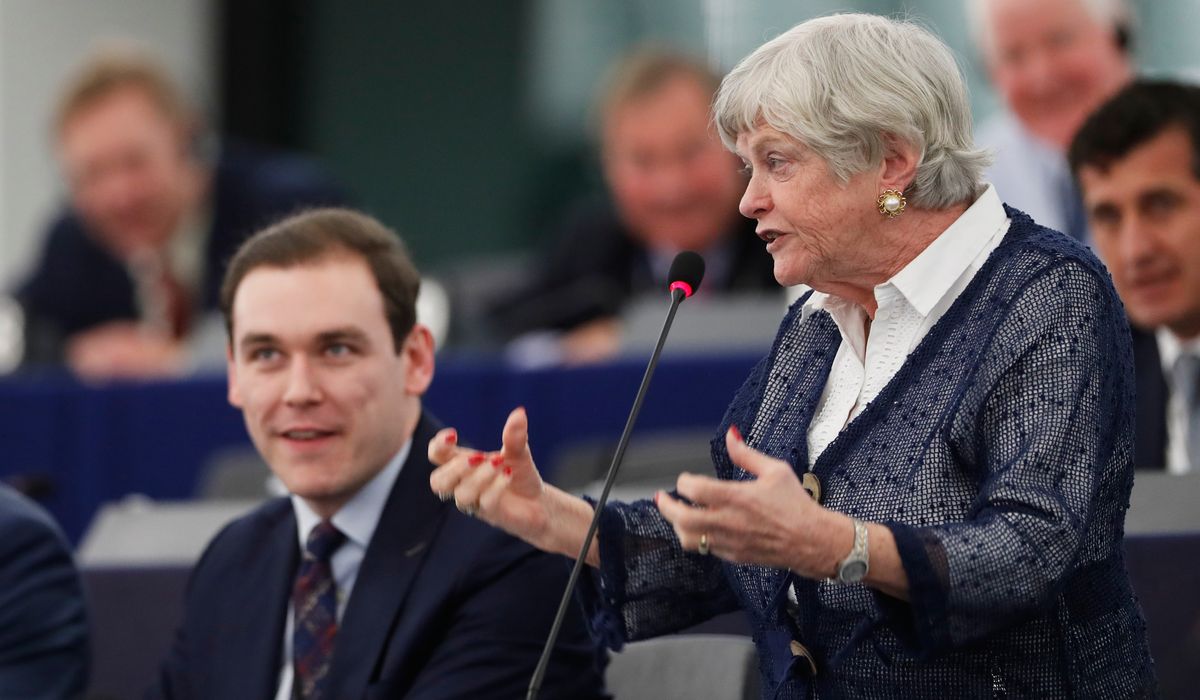
Police in Britain have launched a murder investigation after a prominent former Conservative Party lawmaker turned TV personality was found dead Thursday inside her southwest England home.
The discovery on Thursday of a well-known former Conservative lawmaker and television figure has prompted a criminal inquiry and intense public attention. Local investigators treated the scene as a potential homicide from the outset, signaling the seriousness of the findings. Details remain limited as authorities piece together what happened that led to her death inside her southwest England residence.
Launching a murder investigation in Britain typically means detectives from a major crime unit will take charge, forensic teams will examine the property, and officers will canvas the neighborhood for witnesses. Those steps are designed to secure evidence quickly and preserve whatever traces might explain the sequence of events. Investigators usually decline to comment on specifics while inquiries are active, both to protect the integrity of the probe and to avoid jeopardizing legal options.
She was a public figure both in politics and on television, which changes the dynamic around the case. High-profile deaths draw wide attention from viewers, voters, and the press, and that attention can complicate the work of police and the privacy of bereaved family members. Responsible reporting and restraint by commentators matter now to prevent speculation from overwhelming verified information.
The combination of political life and media exposure also raises questions about public safety for those who serve in the spotlight. Public officials and media personalities live visible lives, and when tragedy strikes it often triggers conversations about security, threats, and the need for robust protective measures. Those conversations should be grounded in facts rather than assumptions, leaving investigations to the professionals tasked with uncovering the evidence.
In Britain, a formal murder investigation will usually involve a coroner and a full post-mortem examination to establish cause of death, followed by forensic analysis that can take days or weeks. If evidence points to a suspect, police will pursue arrests and the Crown Prosecution Service decides whether charges should follow. That process aims to be methodical, balancing the need for swift action with the legal safeguards that protect both victims and the accused.
Public reaction to breaking news like this tends to be immediate and emotional, with commentary spreading rapidly across social platforms and broadcast outlets. Rapid response can be useful for locating witnesses or corroborating timelines, but it also fuels rumors and unverified claims. Law-abiding citizens and media organizations alike should resist filling gaps with conjecture and should focus on verified updates from authorities handling the case.
From a law-and-order perspective, this episode underscores why citizens expect and rely on competent policing and transparent procedures. A thorough, evidence-based investigation is the way to deliver truth and accountability, and it reassures the public that the system works even in the face of disturbing events. Support for the investigative team and respect for due process are practical priorities while criminal authorities follow leads and assemble the case.
Neighbors, colleagues, and viewers will understandably seek answers, and local officials will need to provide what information they can without compromising the inquiry. Families deserve space to grieve without a media circus, and justice requires patience while investigators do their jobs. The coming days should reveal more as investigators complete their initial work and officials share verified findings with the public.

