

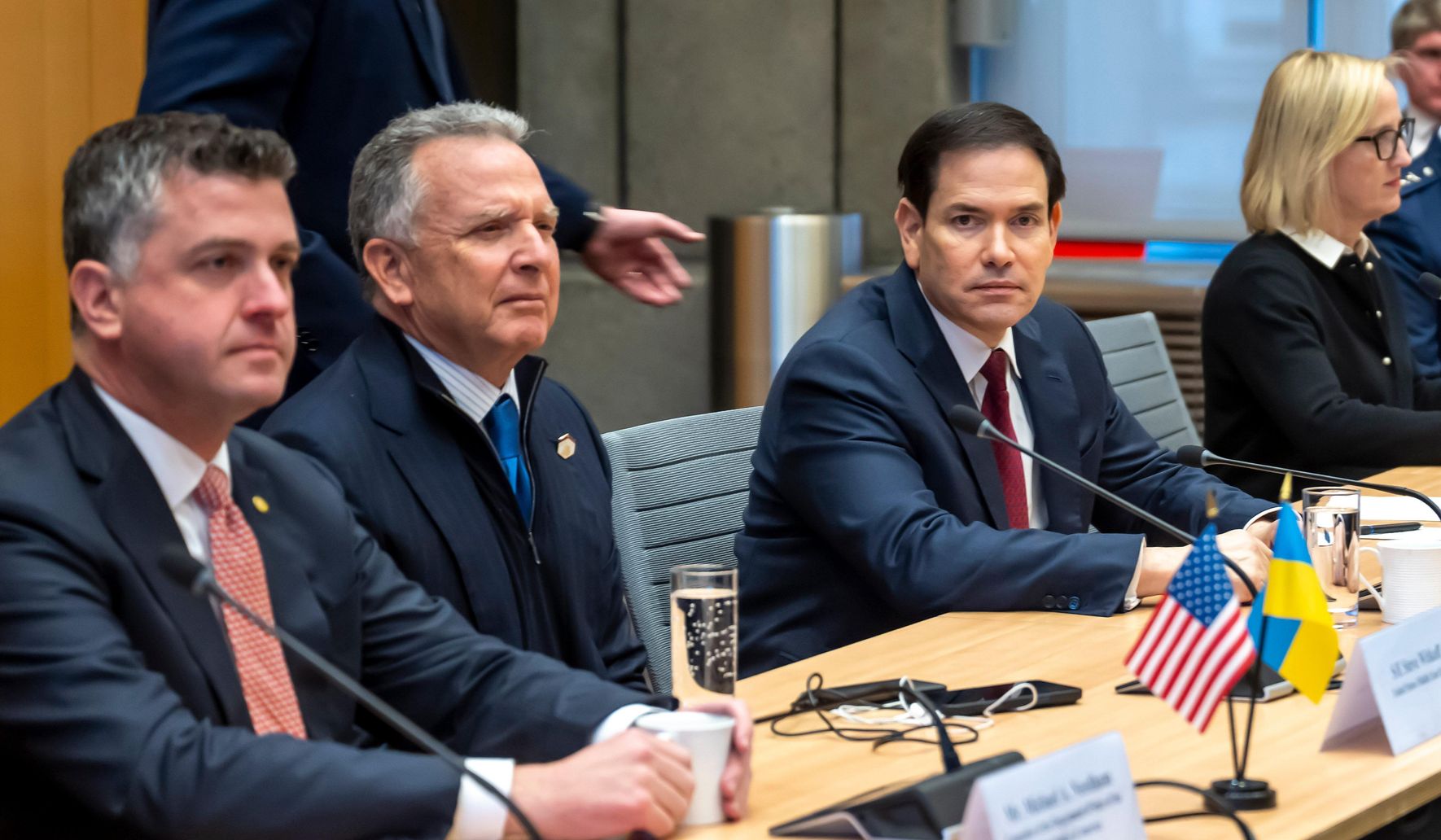
Secretary of State Marco Rubio said late Saturday night that a 28-point White House-backed Ukraine peace plan “was authored by the U.S.,” a claim that clashed with statements from several U.S. senators and has sparked questions about transparency and U.S. involvement in postwar negotiations.
The assertion touches a raw nerve on Capitol Hill. Republicans and some independents want clarity on who drafted a multi-page document that could shape a war’s end and the region’s future.
The phrase “was authored by the U.S.,” quoted exactly from the statement, makes the White House role explicit in a way that many lawmakers did not expect. That explicitness matters because it frames Washington as the architect of proposals that might affect Ukraine’s borders and sovereignty.
Several senators reportedly pushed back, saying their impressions and public comments did not square with the Secretary of State’s claim. Those senators insisted they were not briefed in a way that would justify calling the plan U.S.-authored, which has fueled suspicion of unilateral executive action.
Republicans in particular are pointing to the mismatch as evidence of a pattern: major foreign-policy shifts presented as faits accomplis without adequate congressional consultation. The argument is simple and direct—when the U.S. leads diplomatic blueprints, Congress has a right to review the details and implications.
Critics also question whether a document described as White House-backed should have been developed with more visible legislative input. They say this is not about partisan point-scoring but about constitutional checks and the proper role of elected representatives in war and peace decisions.
There are practical stakes beyond politics. A 28-point plan sounds comprehensive and technical, covering ceasefire terms, troop withdrawals, security guarantees, and aid structures. Each element can carry long-term consequences for regional stability and for U.S. interests if implemented without broad oversight.
Supporters of the administration might argue that urgent diplomacy sometimes demands secrecy and speed. But opponents counter that forced speed should not replace reasoned debate, especially when those diplomatic moves could bind future Congresses and administrations.
The tension also highlights a communication failure. If the White House helped draft a 28-point draft, lawmakers want to know how and why, and they expect access to the text and to the rationale behind each clause. Without that, rumors and contradictions fill the vacuum, eroding trust on both sides.
From a Republican perspective, the right response is straightforward: insist on hearings, document disclosure, and a clear record of who negotiated what and when. That preserves accountability and forces a public debate on provisions that could affect national security for years.
Transparency is not purely procedural; it affects credibility with allies and adversaries. If partners worry that a plan was pushed by one capital without broad buy-in, the plan loses leverage; if Congress is blindsided, U.S. negotiating power is weakened at home.
Whatever the next steps, the immediate need is simple: lawmakers must see the plan and its drafts, and the White House must explain the drafting process. The public deserves to know how American policy on a major foreign conflict is being made and by whom.

