

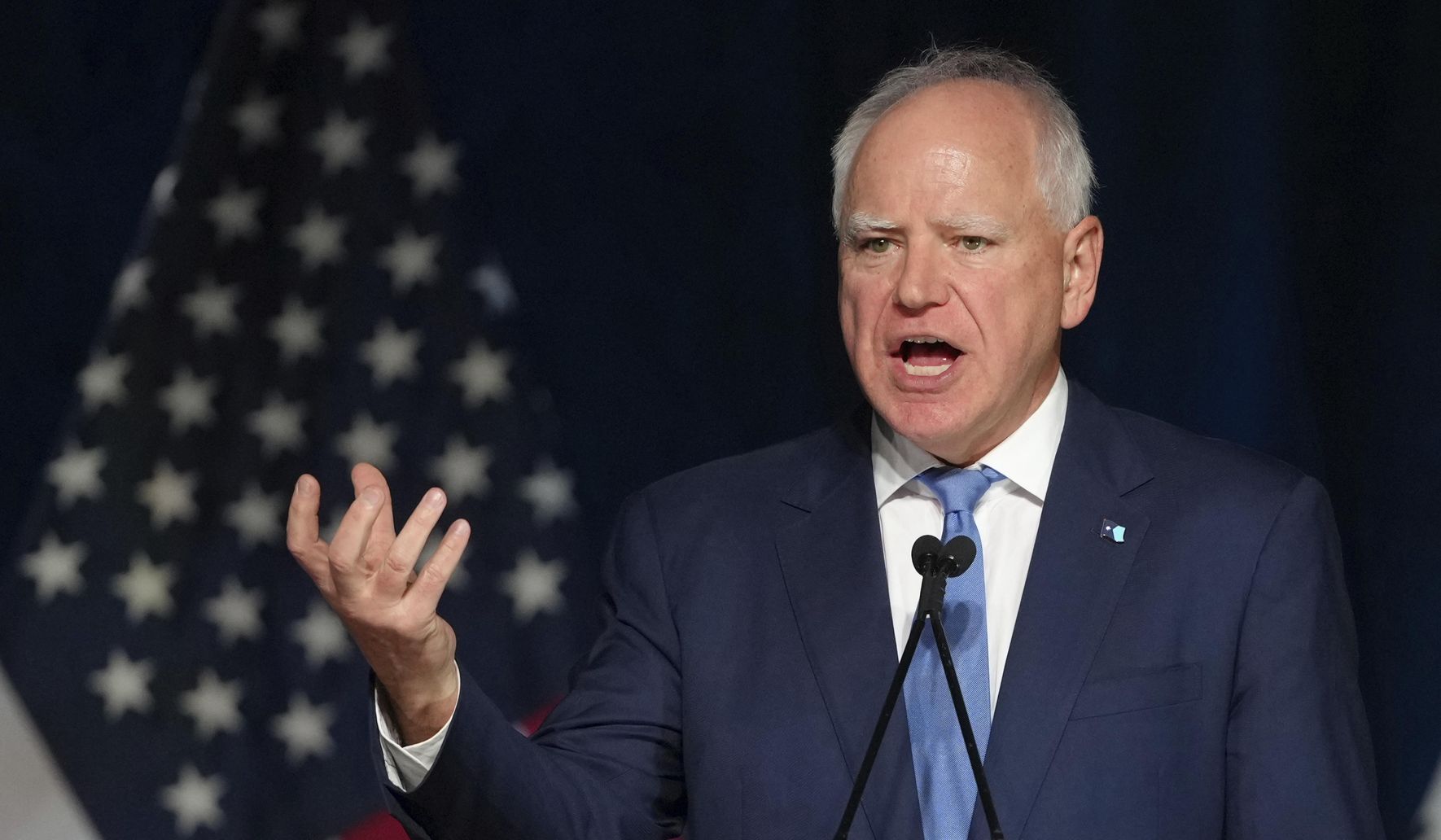
The Manhattan Institute’s City Journal alleges that billions in taxpayer dollars were stolen during the administration of Minnesota Gov. Tim Walz, and the report raises serious questions about oversight, contracting, and accountability.
A recent City Journal exposé from the Manhattan Institute lays out a series of troubling claims about how public money was handled under Gov. Tim Walz. The report asserts that billions in taxpayer funds were siphoned off, pointing to systemic weaknesses and recurring patterns rather than a handful of isolated errors. Those patterns, if accurate, suggest more than simple negligence.
The piece describes how large streams of federal and state dollars flowed through emergency programs and contracts, creating opportunities for waste and fraud. It notes that rapid spending during crises can outpace safeguards, and that when oversight is skimpy, bad actors find ways to benefit. The result, according to the report, is lost public trust and diminished capacity for essential services.
City Journal highlights examples where procurement practices and contract awards lacked transparency and competitive rigor. Critics featured in the report say this environment allows favored vendors and intermediaries to capture funds without delivering commensurate value. The pattern reinforces concerns about cronyism and weak internal controls within state operations.
The authors call attention to the auditing process and how audits either failed to detect problems or were not acted upon when red flags arose. Audits that sit on shelves serve no one, and the report urges that findings be followed by concrete corrective steps. Republicans and watchdogs often point to timely audits and public follow-up as the cornerstone of fiscal responsibility.
Beyond audits, the report pushes for more rigorous contract management and stricter vetting of vendors receiving significant public dollars. It emphasizes the need for clear performance metrics and clawback provisions when services or goods fall short. These are practical changes that can reduce the chance of future losses.
Lawmakers and oversight bodies are painted as central to restoring accountability, with the report recommending legislative probes and hearings where necessary. Elected officials have a duty to ask tough questions about how funds were spent and who benefited. Transparent, public scrutiny can deter misuse and speed up corrective action.
The political dimension is unavoidable: the report links decisions made during the Walz administration to a broader policy backdrop where emergency spending often bypassed normal checks. Political leaders must own the choices they made or failed to make, because partisan loyalty cannot replace sound fiscal oversight. A healthier fiscal culture requires leaders willing to enforce rules, not dodge responsibility.
City Journal also sketches how weakened internal controls can cascade into broader governance problems, affecting everything from public health programs to infrastructure projects. When one system is compromised, confidence in other public functions erodes. That ripple effect is costly, both financially and politically.
Several practical reforms are emphasized as immediate priorities: stronger procurement rules, mandatory public reporting on large contracts, real-time audit follow-up, and better whistleblower protections. The report argues these steps can cut opportunities for theft and mismanagement while restoring public confidence. Implementing those changes falls to both the executive branch and the legislature.
Criminal enforcement is another thread running through the report, which suggests that where theft or fraud is evident, prosecutors should pursue charges swiftly and publicly. Civil remedies and contract rescissions are also tools that can recoup losses and set precedents that deter future misconduct. A clear message that misuse of taxpayer money carries consequences is essential.
Finally, the authors call on citizens and the press to stay engaged, since sunlight is the best disinfectant for opaque spending. Independent reporting and civic oversight amplify the work of auditors and lawmakers and help keep pressure on officials to act. For voters, the takeaway is simple: demand records, demand results, and hold leaders accountable for stewardship of the public purse.

