

President Trump’s pardon of former Binance CEO Changpeng Zhao sits at the center of a new civil suit that accuses the crypto giant of moving more than $1 billion to groups tied to the October 7 attacks, while families of victims press claims in federal court against Binance and several executives.
President Trump has long been a vocal supporter of Israel and worked to free hostages taken during the Oct. 7, 2023, Hamas attacks, and his recent pardon of a prominent crypto founder has become a flashpoint in that larger story. The pardon cleared Zhao, who had previously admitted to wrongdoing in government enforcement actions, and it has prompted heated debate as families of victims pursue civil claims.
The lawsuit was filed in federal court in Fargo, North Dakota, on behalf of 306 plaintiffs and their loved ones who were kidnapped, injured, or killed on Oct. 7 or in the chaotic aftermath. Plaintiffs name Binance and senior executive Gunagying “Heina” Chen, arguing the platform played a central role in moving funds linked to terror groups.
Prior enforcement actions by the Department of Justice produced admissions from the company, billions in fines, and a brief prison term for Zhao, but the new complaint says the story goes deeper. The suit alleges systemic failures and practices that allowed bad actors to move money through the platform with little effective resistance from Binance’s controls.
According to the complaint, the company “knowingly sent and received the equivalent of more than $1 billion to and from accounts and wallets controlled by the [terror organizations] responsible for the October 7 attacks.” That claim sits at the heart of why victims’ families are seeking compensatory relief and the harsher treble damages that apply to terrorism-related claims.
Lawyers for the plaintiffs argue Binance’s conduct was not simply negligent but deliberate, saying, “To this day, there is no indication that Binance has meaningfully altered its core business model,” and adding that the platform “was intentionally designed as a criminal enterprise to facilitate money laundering on a global scale.” Those are blunt accusations that, if proven, would reshape how courts and regulators treat major crypto platforms.
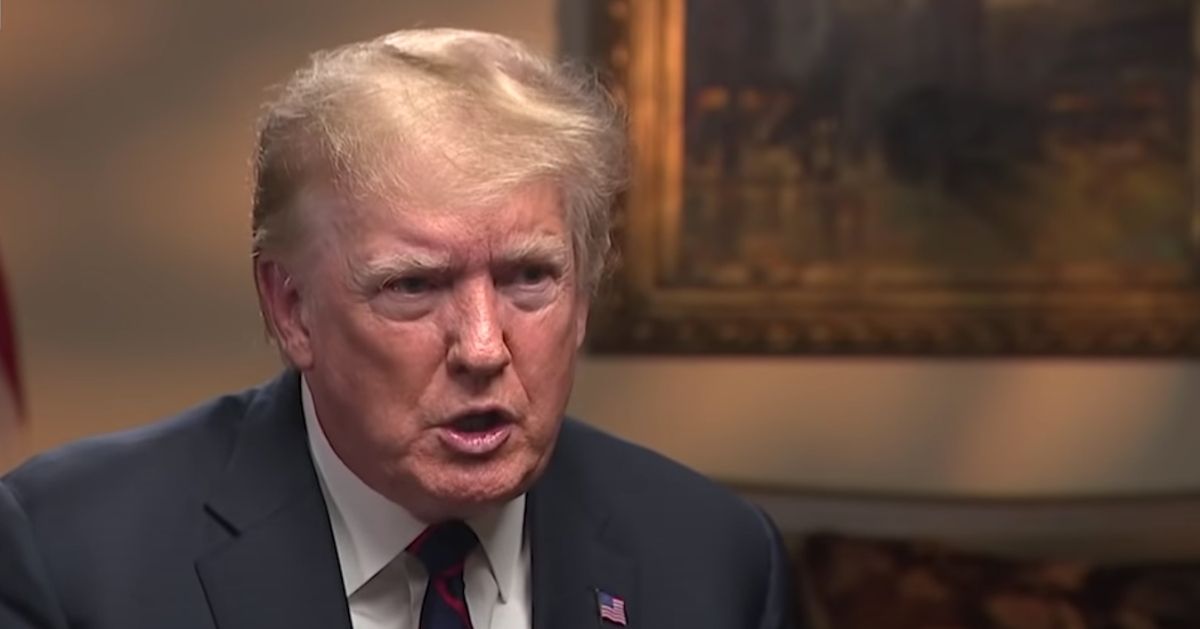
Trump’s pardon of Zhao in October triggered sharp reactions, in part because of the broader political optics around cryptocurrency and ties between powerful networks and Washington insiders. When asked about the decision, the president said, “A lot of people say that he wasn’t guilty of anything,” and continued, “… was somebody that as I was told, I don’t know him. I don’t believe I’ve ever met him, but I’ve been told by — a lot of support, he had a lot of support, and they said that what he did is not even a crime.”
He added, “wasn’t a crime [and] that he was persecuted by the Biden administration and so I gave him a pardon at the request of a lot of very good people.” The White House pushed back on criticism by framing the pardon as corrective action against what it called prosecutorial overreach, with a spokesperson saying, “This was an overly prosecuted case by the Biden administration,” and that the president “wants to correct this overreach of the Biden administration’s misjustice and he exercised his constitutional authority to do so.”
Regardless of political defense or attack, the lawsuit will put Binance’s internal policies and historical activity under a microscope as families press for answers about how funds flowed. The plaintiffs seek damages and accountability for the harm they say the transfers helped enable, and the civil process will test whether the platform’s prior remediation efforts are sufficient under the law.
This legal fight now moves forward in federal court, where judges will weigh competing narratives: plaintiffs’ claims of knowing facilitation and design to avoid controls, against defenses that point to prior settlements, compliance work, and the impact of criminal prosecutions that the White House says were excessive. The outcome will matter for victims, for Binance and its leadership, and for the larger debate over how to hold crypto platforms responsible for illicit flows of money.

