

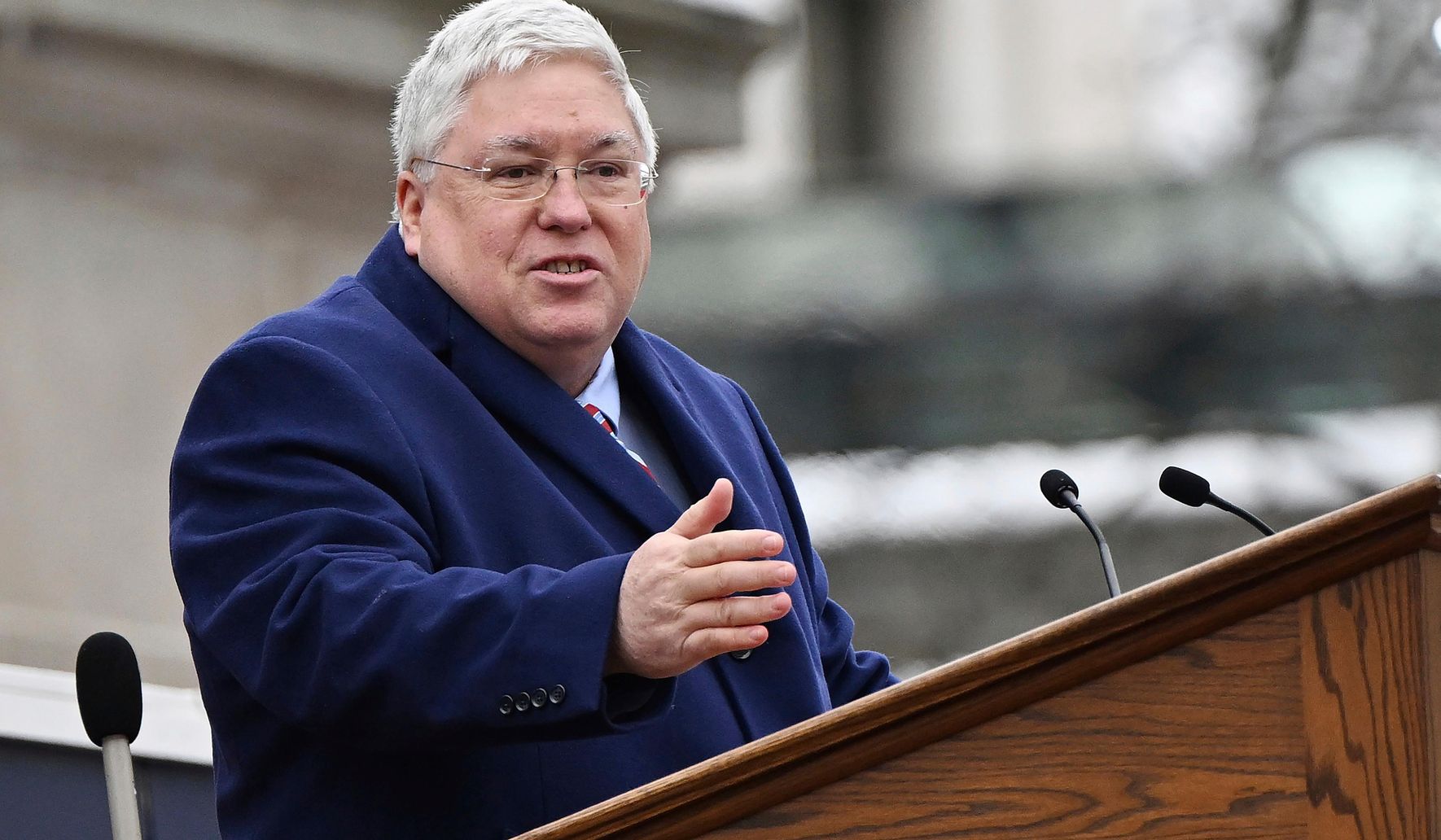
West Virginia officials paused a school vaccine requirement Wednesday after a judge ruled that parents may invoke religious beliefs to opt their children out of vaccines required for school attendance.
State officials moved quickly to suspend the mandate once the court decision landed, signaling an immediate shift in policy for families and school districts. The action interrupts the enforcement of a rule that had tied certain immunizations to classroom access. Officials framed the pause as a response to the court’s finding rather than a broader change in public health guidance.
The ruling the judge issued allows parents to cite religious beliefs as a valid basis to decline vaccines for their children, directly affecting how exemptions are handled. That change hands authority toward families to make choices rooted in conscience and faith. It also creates a legal precedent that could influence similar disputes in other states.
For many conservative voters and leaders, the decision reads as a vindication of parental rights and religious freedom. They see mandatory vaccination policies as overreach when they leave little room for sincerely held beliefs. The suspension gives those parents immediate relief while the state and courts sort out next steps.
Public health officials still stress the protective benefits of vaccines for children and communities, pointing to data that links higher vaccination rates with lower rates of contagious illness. Those arguments remain part of the conversation, even as the legal landscape shifts. Schools now face the practical task of balancing those health priorities with the court-affirmed exemptions.
School administrators must decide how to implement the temporary suspension while keeping campuses safe and functional for students and staff. Some districts may continue to encourage vaccinations through education and outreach rather than mandates. Others will need clear guidelines from state authorities once they revisit the policy in light of the judge’s order.
The ruling also raises questions about how broad religious exemptions can be, and whether state law or future court decisions will narrow or expand those grounds. Courts often wrestle with defining sincerity and scope when religion is cited, which means additional litigation is possible. Families and school systems alike will be watching closely to see whether the pause becomes a permanent policy shift.
Parents relieved by the suspension say the decision restores their ability to make medical choices for their children without facing automatic exclusion from school. Critics warn that looser vaccine rules could lead to health risks for vulnerable students who cannot be vaccinated for medical reasons. That tension between individual liberty and community protection is at the heart of the debate.
The case in West Virginia joins a broader national conversation about mandates, exemptions, and the role of government in personal health decisions. Lawmakers and advocacy groups on both sides are likely to use this outcome to press for legislative changes or to prepare for further legal fights. For now, families in the state have a temporary reprieve while policy and legal teams evaluate the next moves.

