

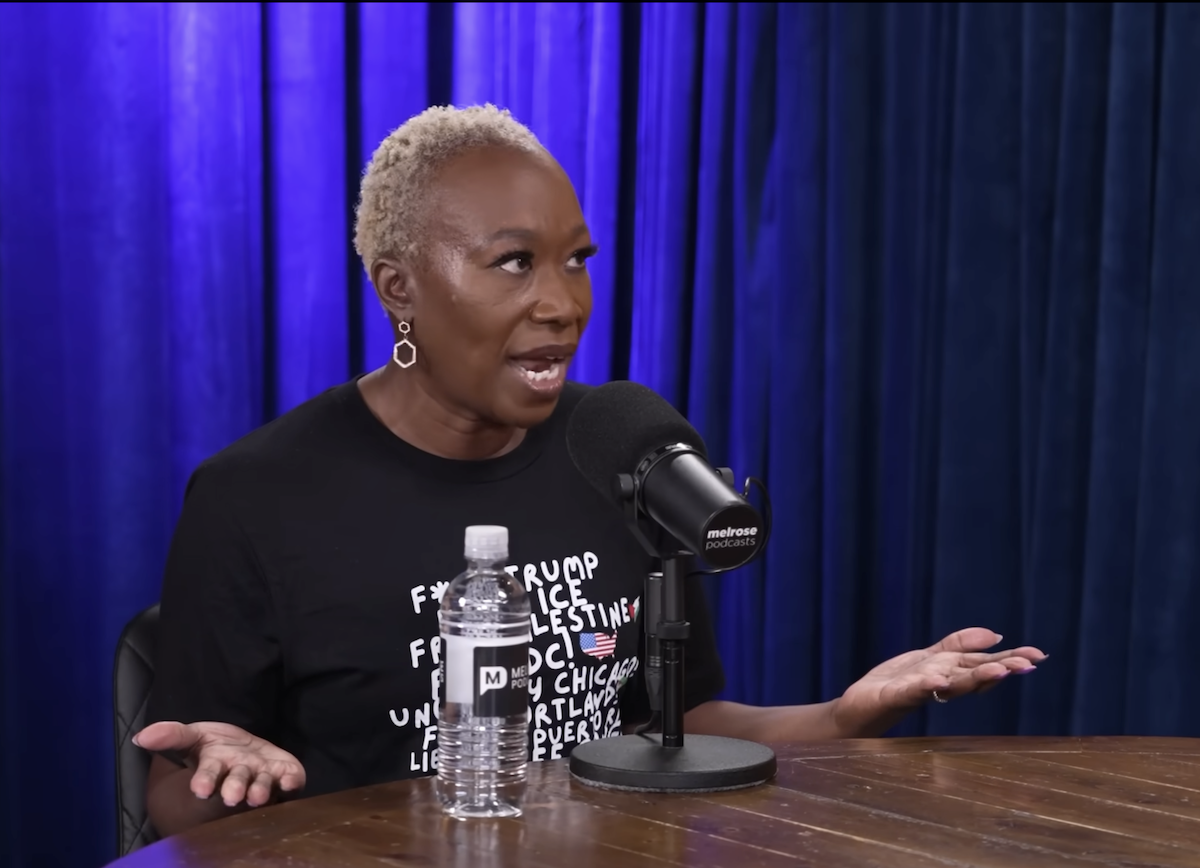
Here’s a frank take on a recent online moment involving ex-MSNBC host Joy Reid and the I’ve Had It podcast that landed just before Thanksgiving, why it matters, and how it fits into a broader pattern of tone-deaf, performative politics from the left.
Ex-MSNBC host Joy Reid showed up online this week in a conversation with the hosts of the I’ve Had It podcast, including Jennifer Welch, and the clip arrived right before Thanksgiving. The episode was posted voluntarily by all parties, so nobody was forced to watch, yet the public reaction has been loud and clear. That timing and tone make the exchange a tiny but telling example of how a segment of the left now communicates.
The discussion came off as preachy and self-satisfied, a string of complaint and moralizing delivered with the confidence of people who assume agreement from their audience. It was a performance for the echo chamber, where outrage is polished up and presented like expertise. When media figures build their brand on scolding, it stops feeling like argument and starts to feel like ritual.
What makes moments like this striking is not only the content but the cultural signal they send: a large slice of prominent Democrats and media personalities now speak in ways that feel detached from ordinary life. Instead of meeting people where they are, they lecture and measure purity, and that behavior creates distance from voters who care about everyday issues like work, family, and community. Political movements that emphasize disdain risk shrinking their own coalition.
There is an unmistakable contrast between that approach and a conservative outlook that often highlights gratitude, personal responsibility, and practical problem solving, especially around holiday time. Thanksgiving is supposed to be about family, simple pleasures, and appreciation, not a platform for moral posturing. When prominent left-leaning figures choose the holiday window to air grievance-heavy content, it reinforces a narrative of cultural elitism rather than connecting with ordinary Americans.
The role of media is central here because ex-hosts and pundits still carry influence even after leaving network shows, and online platforms make it easy to reach millions in a few clicks. That amplifies every tone and slip of attitude into a broader conversation that can feel unrepresentative of most people’s daily lives. This amplification matters politically because behavior that looks abrasive in clips can translate into electoral consequences when framed as a pattern.
Beyond the immediate political implications, there is a cultural cost when public discourse prioritizes condemnation over common ground, especially during moments designed for unity. Audiences notice when conversations are aimed at scoring points rather than understanding differing experiences, and media consumers increasingly crave authenticity over performative virtue. The persistent cycle of outrage can erode trust in institutions and deepen the partisan divide instead of fostering constructive debate.
Watching the exchange involving Joy Reid and the I’ve Had It hosts is less about a single viral moment and more about recognizing a recurring style: moral grandstanding delivered as commentary, often with a sense of entitlement about who gets to judge. That style may energize a base, but it also cements perceptions among undecided voters who see leaders as out of touch. In a political climate where persuasion still matters, tone can be as consequential as policy.

