

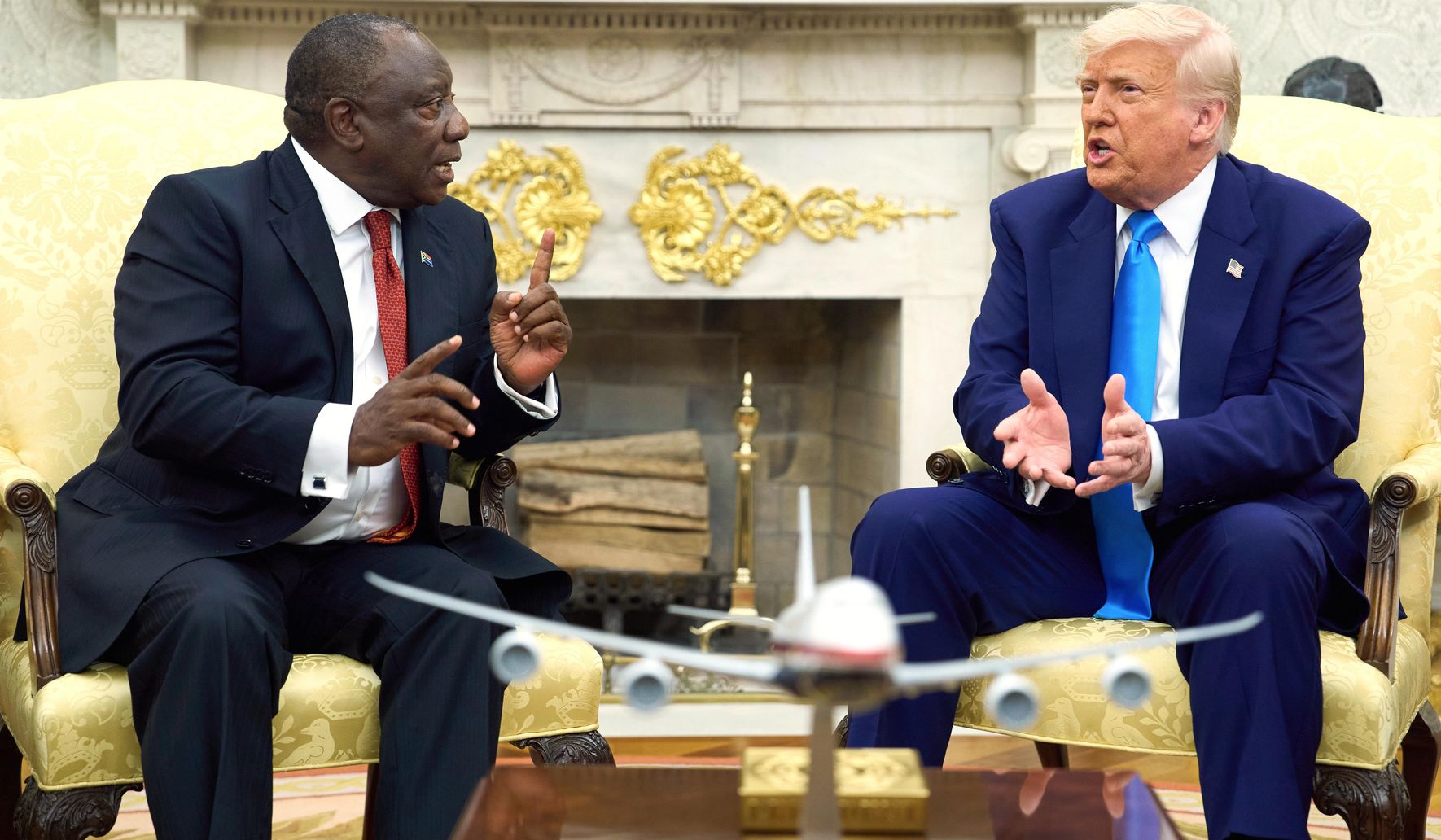
President Trump announced that South Africa will not be invited to the 2026 G20 summit in Miami, citing the country’s handling of a U.S. representative at this year’s meeting and signaling a tougher stance on diplomatic respect and reciprocity.
President Trump said South Africa will not be receiving an invitation to the 2026 Group of 20 Summit held in Miami because of its treatment of a U.S. representative at this year’s summit. That plain statement sets a clear line: diplomatic slights have consequences, and invitations are not automatic. The move underscores an administration willing to use meeting access as a lever for behavior it deems unacceptable.
From a Republican viewpoint, this is straightforward foreign policy: respect our people and our representatives, or face practical repercussions. This approach treats summit invitations as earned privileges rather than entitlements, which appeals to voters who want firm, simple rules in international dealings. It also sends a message to allies and adversaries that Washington expects basic diplomatic courtesies.
Politically, the decision lets the United States control the narrative heading into Miami. Hosting the 2026 summit on home soil gives the U.S. leverage to shape attendance and agenda, and choosing who gets an invite becomes a visible tool of influence. The White House can use that tool to reinforce standards about diplomatic access and treatment while elevating partners aligned with U.S. interests.
For South Africa, the diplomatic cost is clear: exclusion from a major global forum limits direct influence on economic and security discussions that affect its region. It also raises questions about how Pretoria managed the incident and whether those choices reflected broader policy shifts or an isolated lapse. Whatever the explanation, missing Miami means fewer face-to-face opportunities with world leaders and less visibility for South African priorities.
At home, Republicans can frame this as common-sense accountability rather than punitive overreach, tying the action to a broader theme of standing up for American representatives abroad. Critics will call it heavy-handed or symbolic, but political messaging will emphasize protecting personnel and insisting on reciprocity. That narrative plays well with voters who favor assertive diplomacy and results over polite ritual.
On the international stage, the decision could ripple beyond two capitals and influence how other nations treat U.S. envoys and delegations. Countries watch how consequences are applied, and a clear precedent may deter similar incidents in future summits and multilateral meetings. Alternatively, it could provoke diplomatic back-and-forth that requires careful management through quieter channels to avoid escalation.
Practically, Miami’s host committee and organizers now face a calculus about shaping the summit’s guest list to reflect U.S. priorities and values. That includes balancing commercial and strategic interests while maintaining a credible multilateral forum. The credibility of the G20 format depends on a mix of inclusivity and standards, and how Washington handles this will influence perceptions of both the summit and America’s leadership style.
Beyond immediate optics, the announcement offers a testing ground for using hospitality as policy leverage in future international diplomacy. If the strategy achieves desired behavior change, it could become a tool for addressing various disputes with a range of partners. If it generates significant backlash or harms constructive cooperation, the administration may need to recalibrate its tactics.
Ultimately, the choice not to invite South Africa to the 2026 Miami summit illustrates a willingness to tie access to conduct and to use the roster of attendees as a matter of statecraft. That posture reflects a broader Republican preference for decisive action and clear expectations in foreign relations. Observers will be watching how South Africa responds and how this episode shapes diplomatic norms heading into 2026.

