

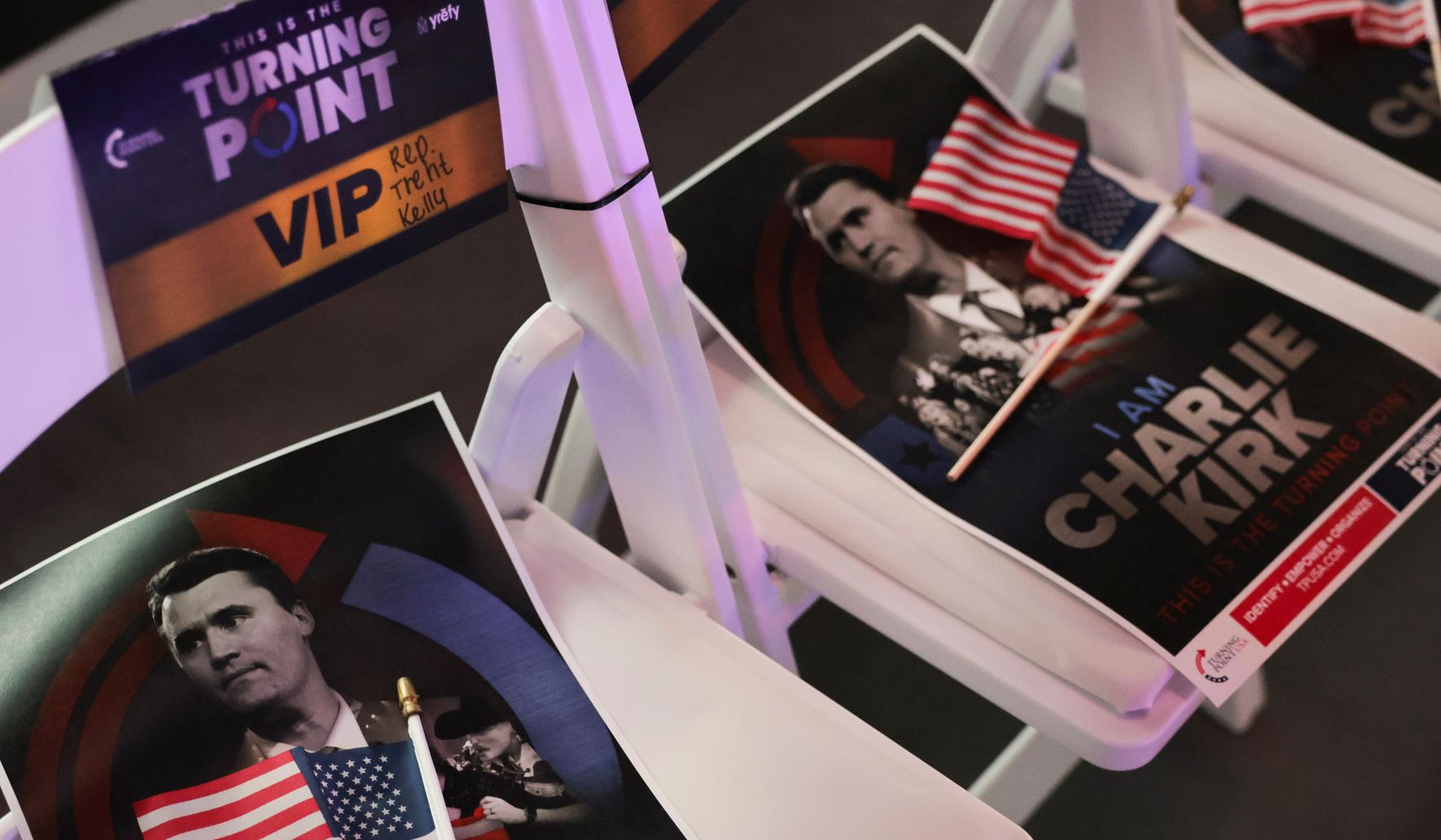
The assassination of conservative activist Charlie Kirk became a national rallying cry for protecting freedom of speech, yet the lesson seems to have been missed by many college students who continue to treat expression as a problem to be managed instead of a right to be defended. This piece looks at how campus culture, administrative choices, and student behavior interact to undermine open debate. It explains why conservatives see a pattern of intolerance and what that means for future public discourse. The tone is direct and practical, focusing on the real consequences of shutting down speech.
The moment when Charlie Kirk was killed shocked Americans across the ideological spectrum and forced a conversation about the cost of unchecked political violence. For many conservatives the incident crystallized a warning: when rhetoric turns to threats, institutions must stand firm for free expression. Unfortunately, on campuses where ideas should be tested and debated, the reaction from a portion of the student body has been avoidance and silence rather than renewed commitment to robust debate. That pattern raises hard questions about whether colleges are preparing citizens for participation in a free society.
College administrators often respond to controversy with policies that look like protection but function as censorship in practice. Instead of stepping in to defend the principle that all peaceful speech has a place, some schools choose to pacify loud majorities by restricting events or disciplining peaceful dissent. Those moves create a chilling effect that disproportionately hurts minority viewpoints, especially conservative ones, because they are already a smaller presence on many campuses. The result is predictable: conservative students learn to self-censor, and the campus marketplace of ideas shrinks.
Students who champion canceling speakers or policing classroom language may think they are building a safer community, but they are also choosing a path that weakens intellectual resilience. History shows that free societies tolerate speech we dislike because the alternative is state or social control over what may be said. Colleges should be the place where disagreement is handled by argument and evidence, not by social exclusion or administrative fiat. That principle was at the heart of the public outrage after Kirk’s death, yet it has not sunk in everywhere.
There is a practical political angle to this debate that conservatives notice and comment on bluntly. When campuses fail to protect expression, they not only alienate conservative students but also narrow the range of acceptable opinion for the broader culture. That narrowing reshapes faculty hiring, curriculum choices, and student life in ways that reinforce a single political outlook. Over time, what starts as social pressure becomes institutional habit, making it harder for anyone who disagrees to find a fair hearing.
Part of the problem is the mismatch between how universities frame their mission and how students experience campus life. Universities often claim to promote critical thinking, yet disciplinary codes and event rules can discourage it. Students who demand safe spaces sometimes do so with legitimate concerns, but the tactics used to enforce those spaces can end up policing ideas. This is not just a theoretical problem; it affects who gets invited to speak, what topics are considered researchable, and which arguments are taught as worthy of engagement.
The backlash after a high-profile political killing like Charlie Kirk’s should lead to clear policy changes that protect speech while addressing safety. Conservatives emphasize clarity and consistency: rules must apply equally, protections must be real, and the presumption should favor expression unless direct harm is demonstrable. When colleges tip the scales toward suppression, the public loses trust in higher education as an independent forum for debate. That erosion is damaging to civic life and to the long-term credibility of academic institutions.
Imagine a campus climate where disagreement is treated as an opportunity rather than a threat, where students learn to answer bad arguments with better ones, and where administrators defend the right to speak even when the words are unpopular. That does not mean tolerating violence or threats, but it does mean tolerating the difficult work of democratic debate. If the reaction to Charlie Kirk’s death is to harden into permanent censorship, the cost will be felt well beyond the quad and into the halls of power.

