

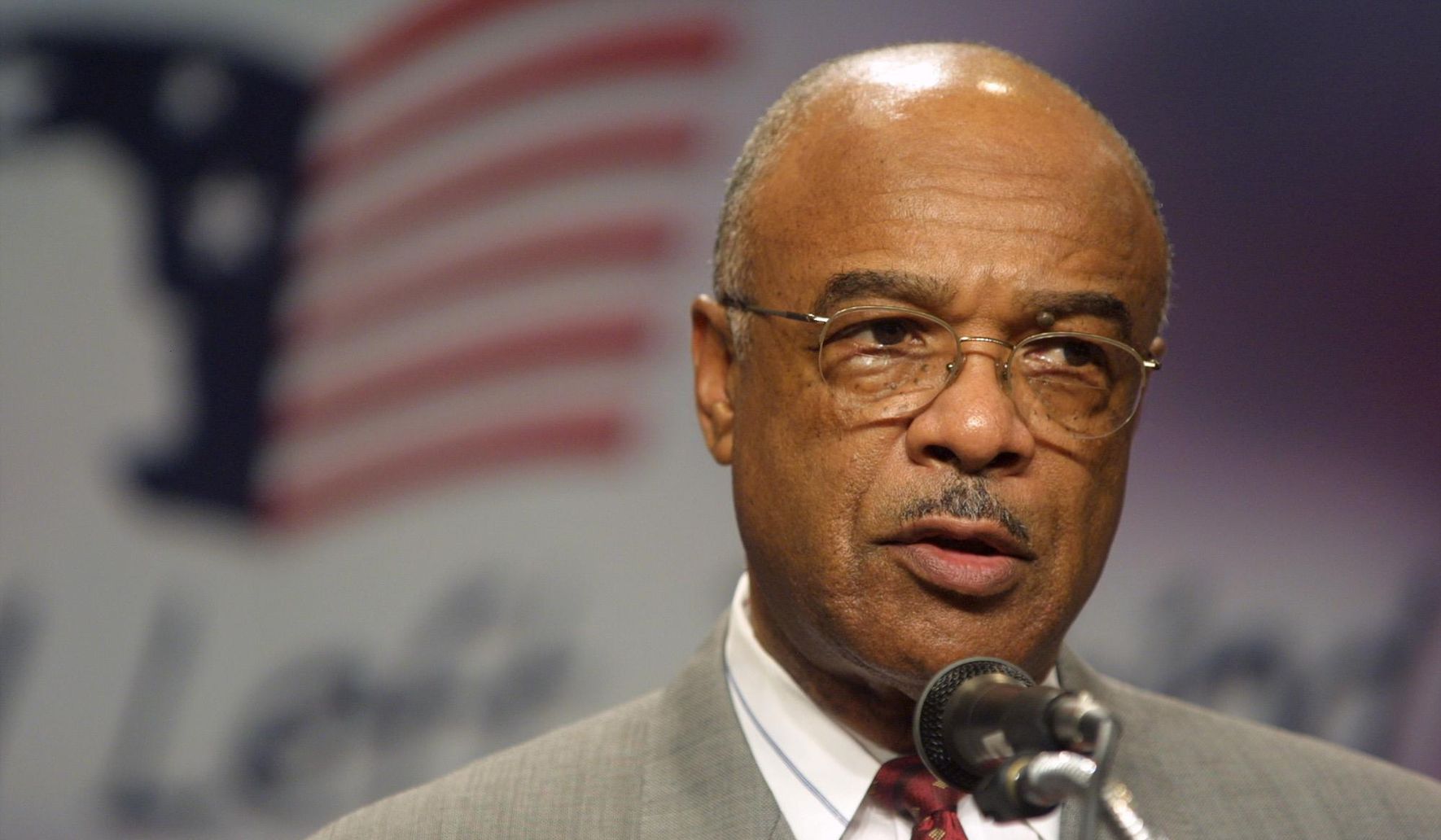
Rod Paige built a career in education as a coach, superintendent and federal official who shaped national policy through “No Child Left Behind” and left a complicated legacy in American schools.
Rod Paige rose from coaching and local school leadership into national prominence, carrying practical classroom experience into every administrative role he took. He became known for pushing accountability measures and for translating tough talk about standards into concrete federal policy.
As the first African American to serve as U.S. education secretary, he broke a barrier that mattered symbolically and practically in Washington. That milestone framed how many people remembered his time in office and how critics and supporters viewed his priorities.
Paige is best known for rolling out the nation’s landmark “No Child Left Behind” policy, which tied federal aid to measurable outcomes and required states to report student achievement. The law shifted the center of gravity in K–12 policy toward standardized testing and accountability, reshaping classroom priorities across the country.
Supporters argued that his approach forced districts to focus on students who had been overlooked, pushing resources and attention toward low-performing schools. They credit those requirements with exposing achievement gaps and prompting interventions where problems had been ignored for years.
Detractors said the emphasis on testing narrowed curriculum, put excessive pressure on teachers, and encouraged teaching to the test. They also noted that states reacted in uneven ways and that historical inequities in school funding and community support complicated any federal attempt to measure success purely by test scores.
Before his federal role, Paige led a large urban district where he emphasized discipline, central control, and results. That managerial style influenced how he approached federal policy, favoring clear metrics and accountability over more decentralized, experimental reforms.
His time in Washington highlighted an enduring policy question: how to balance national standards and local control. Paige’s tenure intensified that debate, leaving a record that policymakers still cite when arguing for either stronger federal oversight or greater local flexibility.
Beyond the policy battles, he left a mark as an administrator who believed in measurable improvement and operational rigor. Whether people agreed with his methods, they often acknowledged that he aimed to make public education more results-oriented and more answerable to taxpayers.
In the years after his federal service, conversations about his legacy continued to evolve as researchers and educators examined long-term outcomes tied to accountability systems. The debates he helped ignite about testing, funding, and equity remain central to discussions about how to help all students succeed.
Paige’s story shows how one leader’s priorities can ripple across classrooms, districts and lawmaking in ways that last for decades. His tenure remains a touchstone for anyone wrestling with how to improve schools while respecting local conditions and the realities teachers face every day.

