

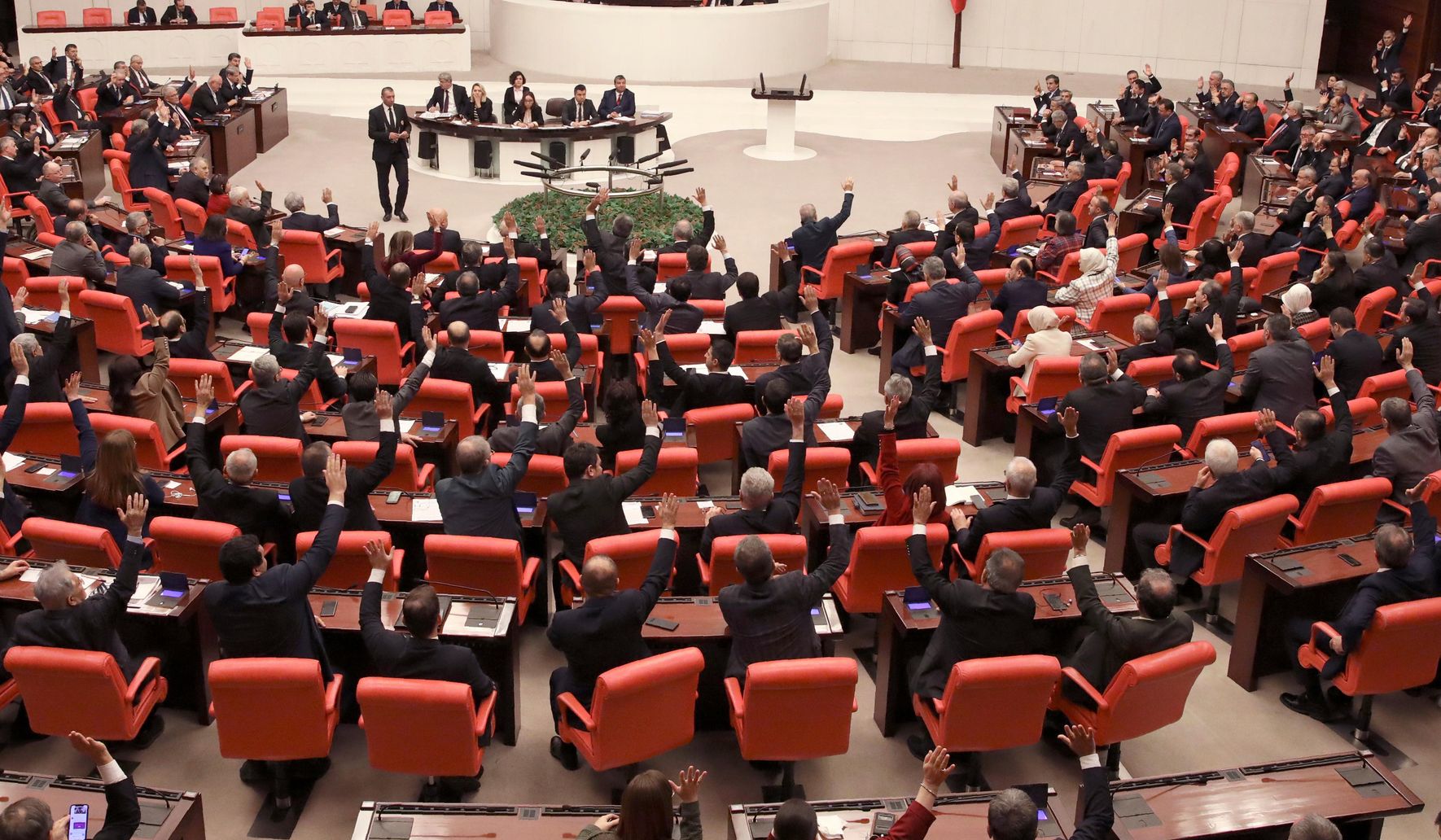
A brief update on the arrests tied to a sex harassment scandal in Turkey’s parliament.
Prosecutors in Ankara said Friday that five people have been detained in connection with a sex harassment scandal linked to Turkey’s parliament. The detentions add a criminal dimension to a story that had already shaken public trust and drawn media scrutiny. The short-term impact is legal; the longer-term impact will be institutional and political.
The arrests came after mounting complaints and reporting that exposed inappropriate behavior in and around parliamentary offices. Allegations like these demand a swift and transparent response from the justice system, and the detentions reflect at least an initial effort to treat the matter seriously. For citizens, seeing action is essential to restoring confidence in public institutions.
Victims and witnesses who came forward played a central role in prompting the inquiry, according to statements from prosecutors in the capital. That cooperation made the investigation possible and underscores how crucial it is for systems to protect those who speak up. Ensuring safe, confidential channels for reporting will determine whether this episode results in accountability rather than cover-up.
The political fallout is unavoidable when misconduct allegations touch the halls of power. Parties and lawmakers will face questions about workplace culture, oversight, and the effectiveness of internal complaint mechanisms. A sober response should combine legal follow-through with reforms to make harassment harder to hide and easier to report.
Law enforcement and prosecutors must follow evidence and due process, while avoiding politicized stunts that turn victims into bargaining chips. Handling the investigation professionally helps separate genuine accountability from partisan theater, which benefits no one. At the same time, leaders must not use the incident to deflect responsibility for systemic failures that allowed it to occur.
From a conservative perspective, the rule of law matters more than optics, but optics matter too. People will judge institutions by how they act under pressure, and a cultural change in parliamentary workplaces should be part of any honest reform package. Preventive measures, clear penalties, and training are practical pieces of that package.
International observers and the Turkish public alike are watching to see if the detentions lead to indictments and convictions or fade away without consequence. The credibility of prosecutors and courts will be measured by the rigor and impartiality of their work. When allegations touch powerful people, the test of a system is whether everyone is treated equally before the law.
Media coverage has been intense, which helps keep the issue in the public eye but also raises risks of sensationalism. Responsible reporting matters because it preserves the integrity of the legal process and protects victims from re-traumatization. Balanced coverage should stick to verified facts and allow the justice system to proceed without undue interference.
Political leaders have a duty to respond beyond statements of concern: they should review internal rules, improve reporting channels, and make clear who bears responsibility for oversight lapses. Structural fixes do not excuse individuals who break the law, but they reduce the chances of repeat incidents. Voters and civic organizations will inevitably demand measurable steps rather than vague promises.
For now, prosecutors in Ankara are handling the matter as a criminal probe, and those detained face the next stages of investigation and potential charges. The path forward must mix legal clarity with institutional reform so the country does not merely cycle through scandals without addressing root causes. The real test will be whether this episode prompts durable change in how parliamentary workplaces are governed and monitored.

