

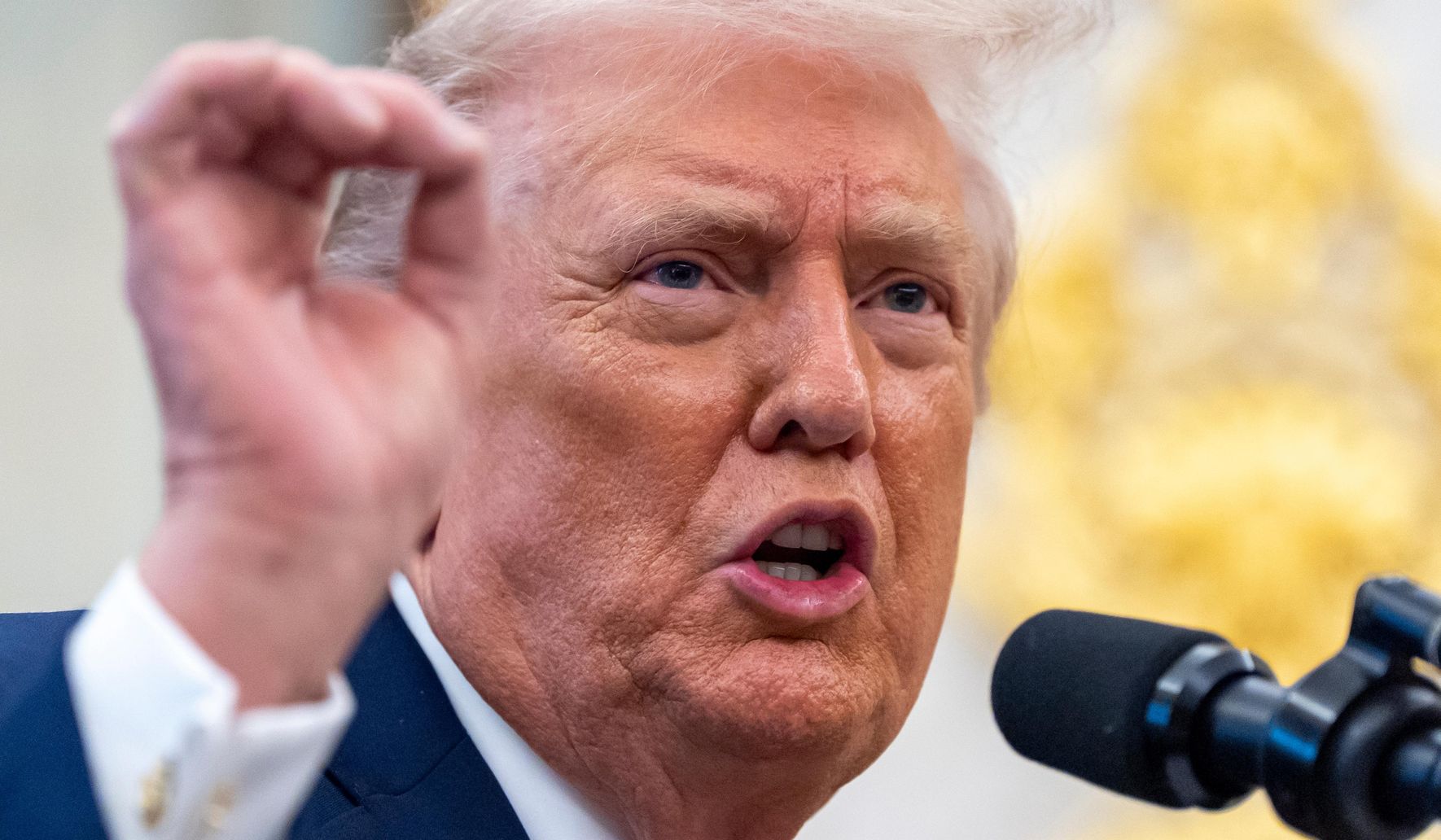
President Trump filed a $10 billion lawsuit against the BBC on Monday, accusing the broadcaster of defamation and deceptive and unfair trade practices.
The filing accuses the BBC of publishing false and damaging claims about the former president and seeks $10 billion in damages. The suit frames the case as both defamation and deceptive or unfair trade practices, which signals a broad legal strategy. That dual approach aims to attack both the content of the reporting and the business conduct behind it.
From a Republican viewpoint this is about holding powerful media institutions accountable for careless or hostile coverage. Supporters argue that when major outlets cross the line into falsehood, they should face consequences that reflect the scale of their reach. The demand for $10 billion underscores the belief that reputational harm has real monetary value and that repeat offenders deserve a deterrent.
Legal reality complicates the narrative, because public figures face a higher bar in defamation cases. To win, Mr. Trump must show not just falsity but actual malice, meaning the BBC knew the statements were false or acted with reckless disregard for the truth. That standard, established by precedent, is difficult but not impossible to meet when documentation or internal communications point to misconduct.
The inclusion of deceptive and unfair trade practices broadens the legal battleground beyond conventional defamation law. Those claims can target how material was gathered, presented, or monetized, and they may avoid some of the narrow defenses available in pure libel suits. By combining claims, the plaintiff forces the defendant to defend multiple legal theories at once and increases the complexity of the litigation.
Defendants like the BBC are likely to lean on classic defenses such as truth, opinion, and editorial privilege. Truth is an absolute defense in defamation, so factual corroboration would defeat the claim if the challenged statements are accurate. Opinion protections and the news judgment doctrine can shield journalists, but they do not cover knowingly false assertions presented as fact.
Jurisdiction issues will also play a role because the BBC is headquartered in the United Kingdom while the alleged harm is claimed in the United States. Courts will examine where the statements were published, who received them, and whether U.S. courts are the proper forum. Those procedural fights often determine how quickly a case moves and what evidence gets to a jury.
Beyond the courtroom, the lawsuit has political and cultural effects that Republicans emphasize. It sends a message that media outlets face consequences for persistent bias or reckless reporting, and it aims to change newsroom incentives. Even if the legal outcome is uncertain, the process can expose internal practices and force public reckonings about editorial standards.
There are strategic risks for the plaintiff as well, since high-profile litigation invites discovery and scrutiny. Depositions and document requests can produce material that becomes public and may complicate political narratives. Still, a strong showing in discovery can also produce vindicating evidence and pressure a defendant to settle to avoid exposure.
Court timelines for complex media suits stretch for months or years, so the immediate effect may be more reputational and political than judicial. Both sides will use filings and hearings to shape public opinion while lawyers probe the factual record. The ultimate focus will be whether the evidence supports the central claim that false statements were made with knowledge or reckless disregard for the truth.
Whatever the legal arc, the lawsuit highlights a growing trend of high-stakes media litigation in political disputes. Republicans framing this action emphasize accountability and standards, arguing that media institutions must answer when coverage strays into falsehood. The case will test how courts balance free press protections against remedies for reputational injury in a polarized media environment.

