

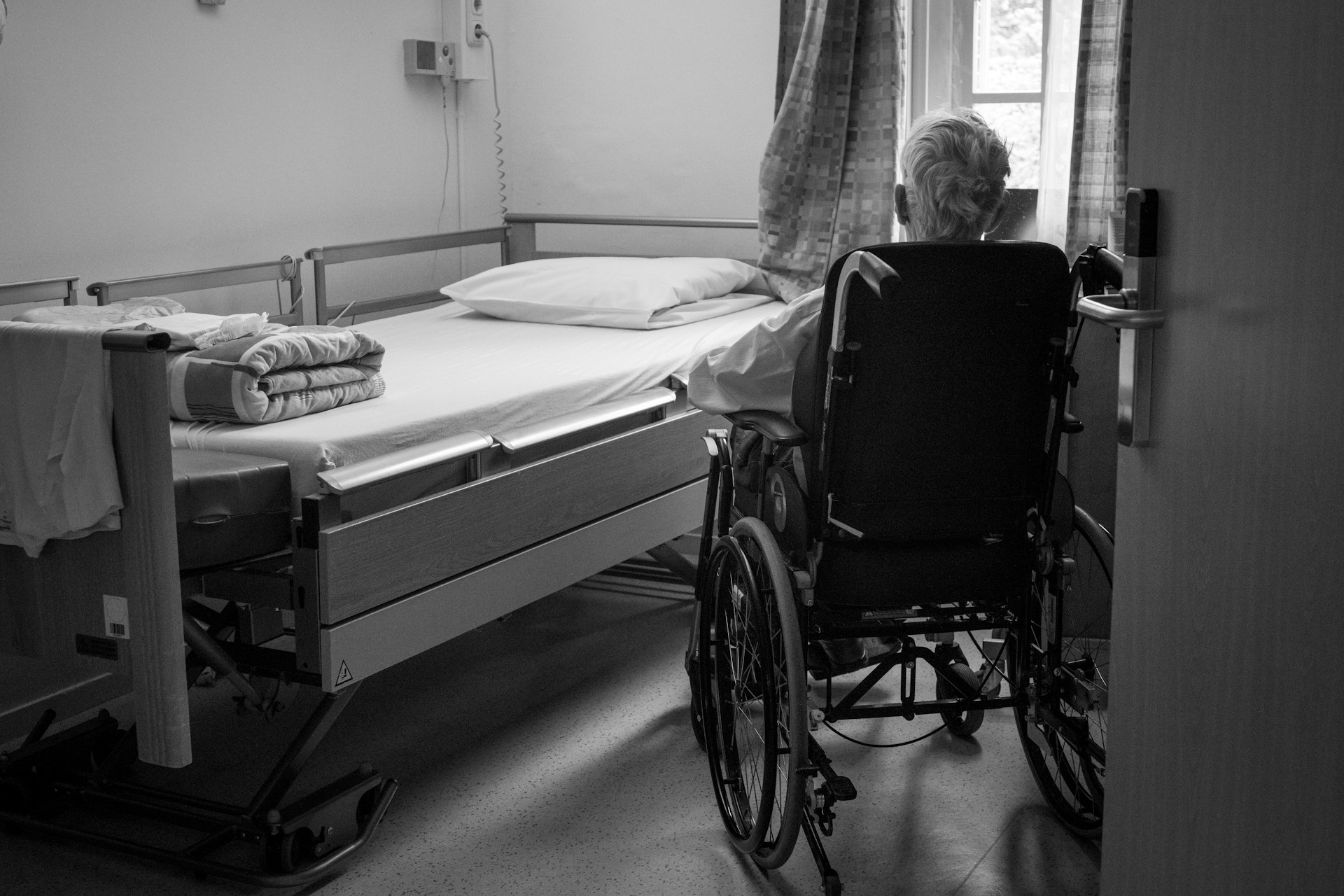
Physicians, ethics, and end-of-life choices collide in a debate about what counts as true compassion and how medicine should protect patients.
The push to broaden options at the end of life has become a heated argument about what medicine is supposed to do. Some see legal change as progress and compassion in action, while others worry about the message it sends for vulnerable patients. This piece looks at the tension between relieving suffering and protecting life from a clear, conservative perspective.
‘The doctors who advocate for it call it compassion, but ethical doctors are healers, not killers.’ That line captures why many doctors, nurses, and patients feel uneasy with any policy that explicitly turns a physician into an agent of death. Medicine’s language, training, and moral commitments are rooted in caring, curing when possible, and comforting when cure isn’t an option.
First, medical ethics are not just policy talking points; they are the operating instructions for a system meant to earn and keep public trust. When physicians pledge to serve patients, that promise carries cultural weight and practical consequences. Undermining the image of the doctor as someone who protects life risks eroding that trust in ways that hurt routine care and emergency medicine.
Second, true compassion shows up as pain control, skilled hospice, and attention to psychological and spiritual needs, not as a quick legal fix. Palliative care has grown into a mature field with tools that make suffering manageable for many people. Strengthening hospice networks, expanding home care access, and ensuring affordable pain management are concrete measures that match compassion with care.
Third, legalizing a practice that intentionally ends life invites slippery-slope risks few lawmakers acknowledge honestly. Definitions that start narrow can expand under pressure from cost concerns, caregiver fatigue, or institutional incentives. Once the state sanctions one exception to protecting life, the boundaries around who is protected get fuzzier fast.
Fourth, the doctor-patient relationship depends on honest consent, clear motives, and a shared aim to preserve dignity. When a treatment option is framed as an official medical endpoint rather than a last-resort choice, patients and families face different kinds of pressure. Insurance formulas, hospital policies, and social expectations can subtly steer decisions, and that tilts the power balance away from truly free choice.
Fifth, policy should promote safeguards that make doing no harm the default, not the exception. That means better training in communication about prognosis, more resources for caregivers, and legal clarity that protects clinicians who refuse participation on moral grounds. It also means honest public debate about funding for end-of-life care so economic factors do not masquerade as compassionate options.
Finally, asking whether doctors should kill as a form of care changes how we think about medicine itself and who gets its protection. If preventing harm is the core duty, then society should invest in measures that reduce suffering without shifting the burden to patients to end their lives. Clear laws, stronger palliative services, and cultural support for families keep the focus on healing, comfort, and respect for life.

