

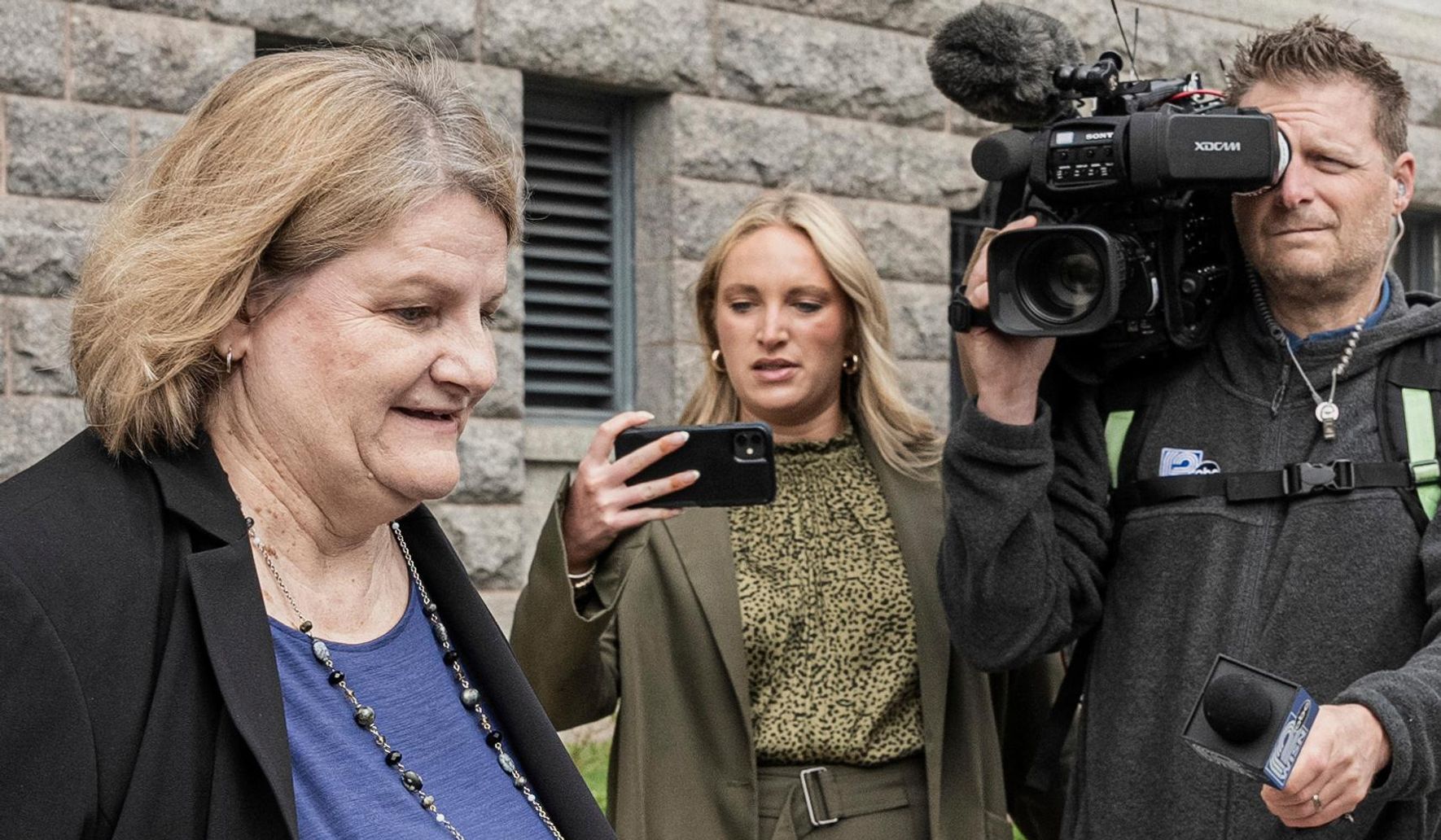
A jury has found a Wisconsin judge guilty of obstruction for helping an immigrant evade federal agents. The verdict marks a rare case of a sitting jurist being convicted in criminal court, and it raises immediate questions about legal accountability and the role of judges outside the courtroom. Local and federal authorities now face the task of following through on sentencing and disciplinary steps.
The conviction centers on an obstruction charge tied to actions that assisted an immigrant in avoiding federal immigration enforcement. The jury reached its decision after hearing evidence and arguments presented at trial, showing that the matter was contested and considered carefully by peers. That outcome moves the case into the next legal phase where penalties and collateral consequences will be addressed.
Under obstruction statutes, convictions can carry significant penalties, including prison time and fines, though final punishment depends on the statutory range and federal sentencing guidelines. Sentencing will also consider the judge’s role and public position, which can influence both the severity of punishment and any administrative responses. Expect prosecutors to argue for a sentence that reflects the seriousness of interfering with federal enforcement actions.
Beyond criminal penalties, the verdict triggers separate systems of accountability for someone who holds judicial office. Judicial conduct panels and state oversight bodies may consider suspension, removal, or other disciplinary measures independent of the criminal process. Those reviews focus on fitness to serve and the preservation of public trust in an impartial judiciary.
The conviction is likely to prompt an appeal, which is a normal next step when legal professionals face felony convictions. Appellate courts will review the trial record for legal errors, sufficiency of evidence, and any contested rulings that might affect the verdict. Appeals can extend the case timeline for months or years while the procedural fight continues.
Public reaction is predictable: some will see the verdict as necessary accountability, while others will view it through a political or ideological lens tied to broader debates over immigration enforcement. The case sits at the intersection of law and public policy, which tends to amplify responses from local leaders, advocacy groups, and affected communities. That attention can shape both the narrative and the pressure on officials managing the aftermath.
Legal analysts will watch how this case influences future conduct standards for judges who engage in community or advocacy work. Many judicial codes of conduct discourage behavior that compromises impartiality or the appearance of bias, and a criminal conviction adds a stark example to those ethics discussions. Law schools and judicial educators may cite the matter when training judges about off-bench responsibilities.
For the immigrant involved, the conviction may change the status of any separate immigration proceedings, though criminal and immigration tracks are distinct and governed by different rules. Federal immigration authorities will determine next steps based on their statutes and the individual’s specific circumstances, independent of the criminal court outcome. Any coordination between agencies highlights the complex interplay between criminal law and immigration enforcement.
The case will likely remain in the news as sentencing, disciplinary measures, and potential appeals unfold, and officials will need to navigate legal processes while maintaining institutional integrity. Courts and agencies must balance transparency with due process as they move forward, ensuring that procedures are followed and rights protected. This conviction is a notable legal development with consequences that will extend beyond a single courtroom.

