

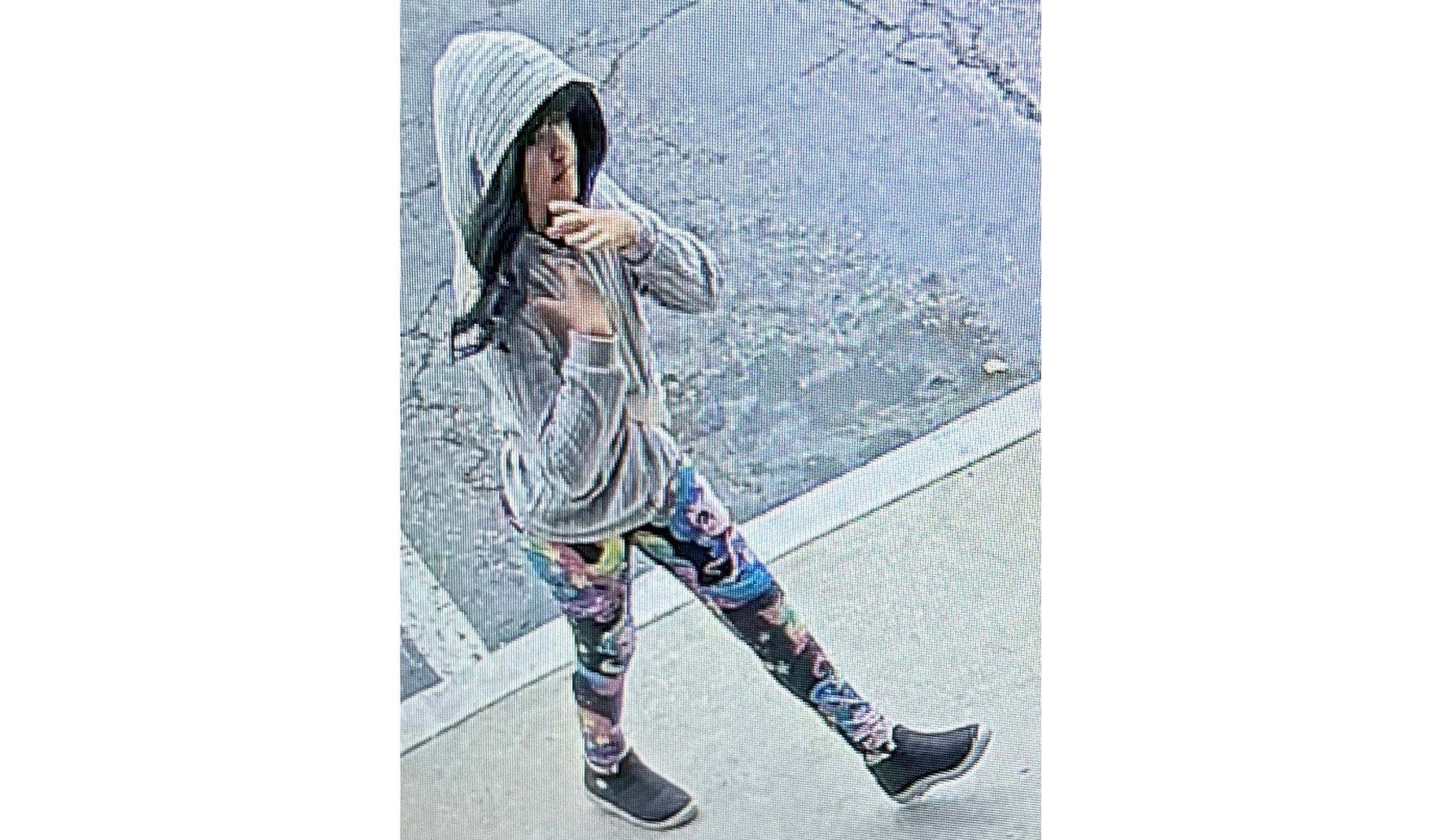
A California woman has been arrested in her 9-year-old daughter’s murder case after the missing child’s remains were found in Utah, authorities said Tuesday. The arrest follows an interstate investigation that tied the discovery in Utah back to a residence in California. Local and federal agencies are now coordinating as the case moves into the next legal phases.
Officials confirmed that the child had been reported missing before remains were discovered in Utah, and investigators worked to connect evidence across state lines. The discovery prompted a rapid response from multiple agencies, each handling different pieces of the puzzle. That cooperation aimed to ensure the chain of custody for any physical evidence and to preserve the integrity of witness interviews and forensic work.
Because the remains were located in Utah while the suspect is in California, the situation required legal and logistical steps to align jurisdictional responsibilities. Extradition and transfer procedures often take time, but officers prioritized making sure the case file was complete and admissible. Prosecutors typically review evidence closely before filing formal charges, so investigators continued collecting statements, records, and forensic reports.
When a child’s remains are discovered far from the place they were reported missing, it shifts the investigation into a broader, multiagency operation. Crime scene processing, forensic anthropology, and medical examiner determinations all play roles in establishing cause and time of death. Those technical findings are essential before a district attorney determines the specific charges to pursue, and they also help frame the scope of any criminal complaint.
Family members and neighbors often become critical sources of information, willingly or otherwise, as detectives build timelines and look for inconsistencies. Law enforcement will typically interview anyone connected to the child’s last known movements, and digital records can be subpoenaed to reconstruct locations and communications. The goal is to create a comprehensive timeline that can be tested in court while protecting the rights of all involved.
Media attention in cases involving missing or harmed children can be intense and emotional, which puts additional pressure on investigators to be precise and cautious. Agencies sometimes release limited updates to avoid compromising ongoing efforts, balancing public interest with the need to preserve investigative leads. That restraint helps prevent misinformation and keeps the focus on verified facts as they become available.
The arrested woman will have the right to legal counsel and a presumption of innocence until a court rules otherwise, which is how the system protects individuals while facts are being determined. Bail decisions, arraignment timing, and pretrial hearings will follow standard procedures, adjusted as necessary by the cross-state elements of the case. Meanwhile, evidence gathered from both locations will be compiled into a case file for prosecutors to evaluate.
Cases like this often prompt reviews of how missing child reports are handled and where communication between jurisdictions can improve. Agencies sometimes update protocols after complex investigations to speed coordination and evidence sharing in future incidents. The practical lessons from a difficult case can lead to swifter resolutions for families facing similar crises down the line.
Community response can range from vigils and prayer services to calls for more transparency from officials, reflecting the deep pain such events cause in neighborhoods. Support networks and counseling services may be offered to people affected by the case, even as officials continue with their legal work. As investigators complete forensic testing and prepare for potential prosecution, the criminal justice process will proceed with the facts that have been documented across both states.

