

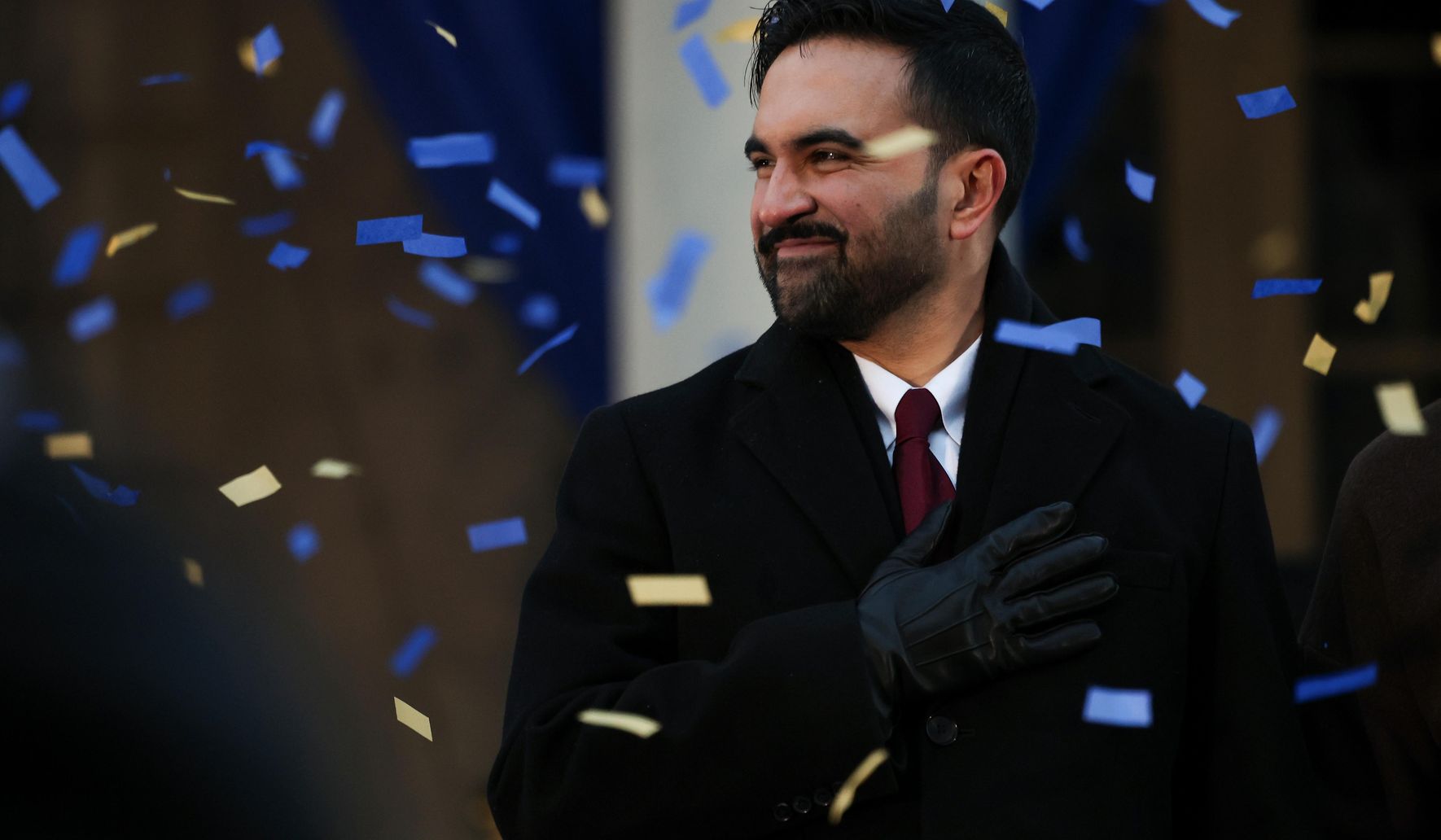
New York City Mayor Zohran Mamdani teamed up with a long-running theater festival to distribute free tickets to residents, a move aimed at expanding access to the arts across the city.
The mayor’s collaboration with the theater festival brings a straightforward promise: more New Yorkers will be able to see live performances without paying admission. City leaders framed the effort as a practical step to remove cost barriers that keep many residents from attending cultural events. The distribution program is positioned as part of a broader push to make arts participation feel less exclusive.
Local theater organizers responded by opening up inventory and coordinating with city staff to reach diverse neighborhoods. Backstage teams and outreach volunteers worked alongside municipal offices to identify where free tickets would make the most difference. The festival benefited from increased visibility, and organizers reported new faces in venues that had previously seen limited demographic variety.
Advocates for arts access praised the move as an acknowledgment that culture should be public, not privileged. They argue that when people of all incomes attend performances, the creative ecosystem strengthens and audiences grow. At the same time, some arts professionals noted that free-ticket programs need careful planning to avoid overwhelming box offices or displacing paid patrons who support artists directly.
For taxpayers and voters, the mayor’s participation signals a willingness to invest political capital in cultural life rather than just infrastructure. Supporters said that municipal involvement can nudge private and nonprofit partners to find sustainable ways to keep shows affordable. Critics cautioned that one-off giveaways do not replace stable funding for artists, and they urged follow-up measures to back up the headline initiative.
The initiative also raises questions about how access is measured and sustained. Distributing free tickets is easy to announce and hard to evaluate unless the city tracks who actually attends and whether those first visits turn into ongoing engagement. Officials could use attendance data to refine outreach, but success will ultimately depend on whether recipients return for future performances when they might be asked to pay.
Community groups saw an opportunity to build long-term relationships with venues when younger or first-time attendees arrived under the program. Youth theaters, schools, and neighborhood centers often serve as the bridge between a single free experience and regular attendance. These intermediary organizations are crucial if the policy goal is not just attendance but genuine cultural participation.
Economic supporters emphasized that filling seats matters to venues’ bottom lines, but they also noted the need to protect revenue streams for artists and crews. If a free-ticket system becomes permanent without compensatory funding, smaller companies could struggle. Many suggested pairing ticket distribution with targeted subsidies for artists so that compensation remains fair while audience access widens.
Beyond immediate logistics, the political payoff for a mayor is obvious: championing arts access appeals to a broad base and highlights a visible quality-of-life improvement. Yet lasting impact depends on whether the city follows this partnership with policies that stabilize arts funding and cultivate new audiences over time. The headline of free tickets opens a conversation about who gets to participate in civic life and what role government should play in making culture available to all.

