

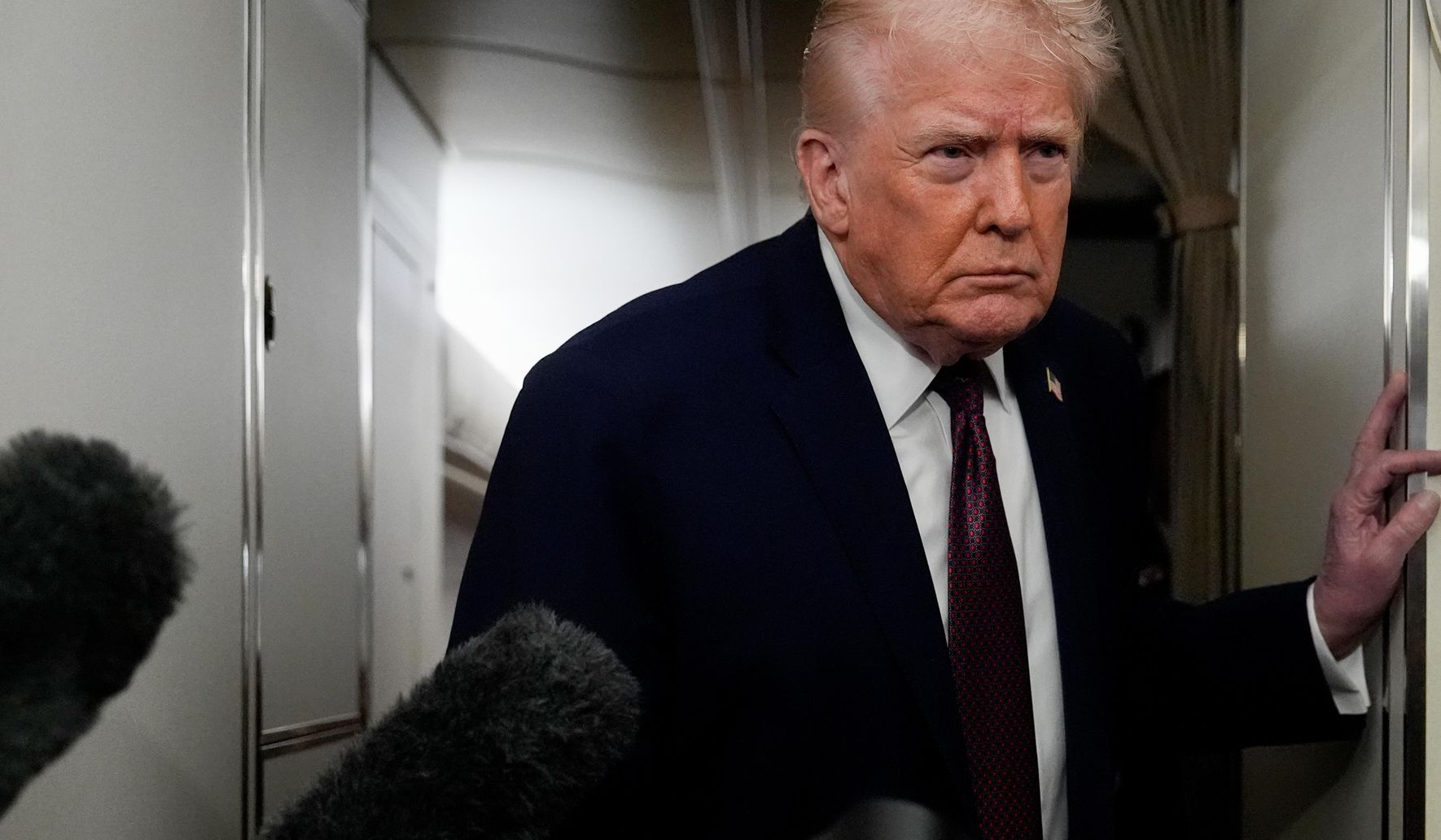
President Trump stepped up his effort to acquire Greenland, downplaying the island’s existing defenses and leaning on his real estate experience to argue a large American military footprint isn’t necessary.
President Trump pushed harder on Sunday to pursue the acquisition of Greenland, framing the idea as both practical and strategic. He dismissed the notion that Greenland’s current defenses make a U.S. presence redundant, and he pointed to his background in real estate to explain why a different approach could work. The remark landed amid renewed attention to the Arctic as a theater of strategic competition.
From a Republican perspective, the proposal reads like a bold, businesslike move rather than a whimsical foreign policy stunt. Buying or securing stronger ties with Greenland is presented as a way to protect American interests without immediately defaulting to expensive, indefinite deployments. The administration argues that clever use of assets and negotiation can expand U.S. influence while minimizing long-term costs.
Strategically, Greenland matters because of its location in the North Atlantic and its proximity to key air and sea routes. Supporters point out that the Arctic is increasingly contested, and controlling or partnering with Greenland could give the U.S. an edge on monitoring and rapid response. The argument is straightforward: where geography gives advantage, policy should follow to protect the homeland.
Critics from the other side raised alarm about sovereignty, diplomacy, and logistics, but Republicans counter that protecting the country sometimes requires unconventional thinking. The idea of securing basing rights, resources, or partnership agreements is framed as a negotiation tactic that benefits both parties when handled respectfully. Lawmakers would need to sort out legal and budgetary hurdles, with Congress likely playing a central role.
Economic opportunity is part of the pitch, too, and that appeals to conservative instincts about private investment and development. Greenland’s natural resources and infrastructure needs create openings for American firms and capital, supporters say, not just military calculations. The approach emphasizes voluntary deals, trade, and private-sector engagement rather than coercion.
On defense posture, the argument rejects the assumption that more troops and permanent bases are always the answer. Trump used his real estate lens to suggest alternative security arrangements can be effective, such as rotational forces, upgraded surveillance, and public-private partnerships. That view echoes a conservative preference for flexible, cost-conscious defense solutions that still deliver deterrence.
Diplomatic friction with Denmark and European allies is unavoidable, which is why Republicans stress clear communication and leverage. The goal, from this angle, is to get a deal that protects U.S. security while respecting existing ties and solidifying new ones. If handled with candor and firmness, the move can recalibrate relationships in America’s favor without needlessly burning bridges.
Legal mechanics remain complicated: treaties, purchases, and sovereignty transfers involve more than a presidential preference. Congress would likely need to approve funding and any major treaty arrangements, and Greenland’s own governance structures would have to be respected. Conservatives argue that these hurdles are surmountable with serious negotiation and a disciplined plan that puts U.S. national security first.
Public reaction will matter, and Republican messaging focuses on practical outcomes rather than headline-catching rhetoric. The pitch is stability, access, and clear-eyed defense of American interests, backed by private investment where possible. Whether the idea turns into policy or stays a negotiating gambit, it has reshaped the conversation around how the U.S. protects its flank in the high north.
What happens next depends on diplomats, defense planners, and lawmakers finding common ground on costs and terms. The administration will need to translate a bold concept into binding agreements that deliver security and economic benefit. For supporters, the value lies in taking initiative and using every tool—political, economic, and military—to keep America strong.

