

State slipping toward lawlessness as national distractions let local leaders fail
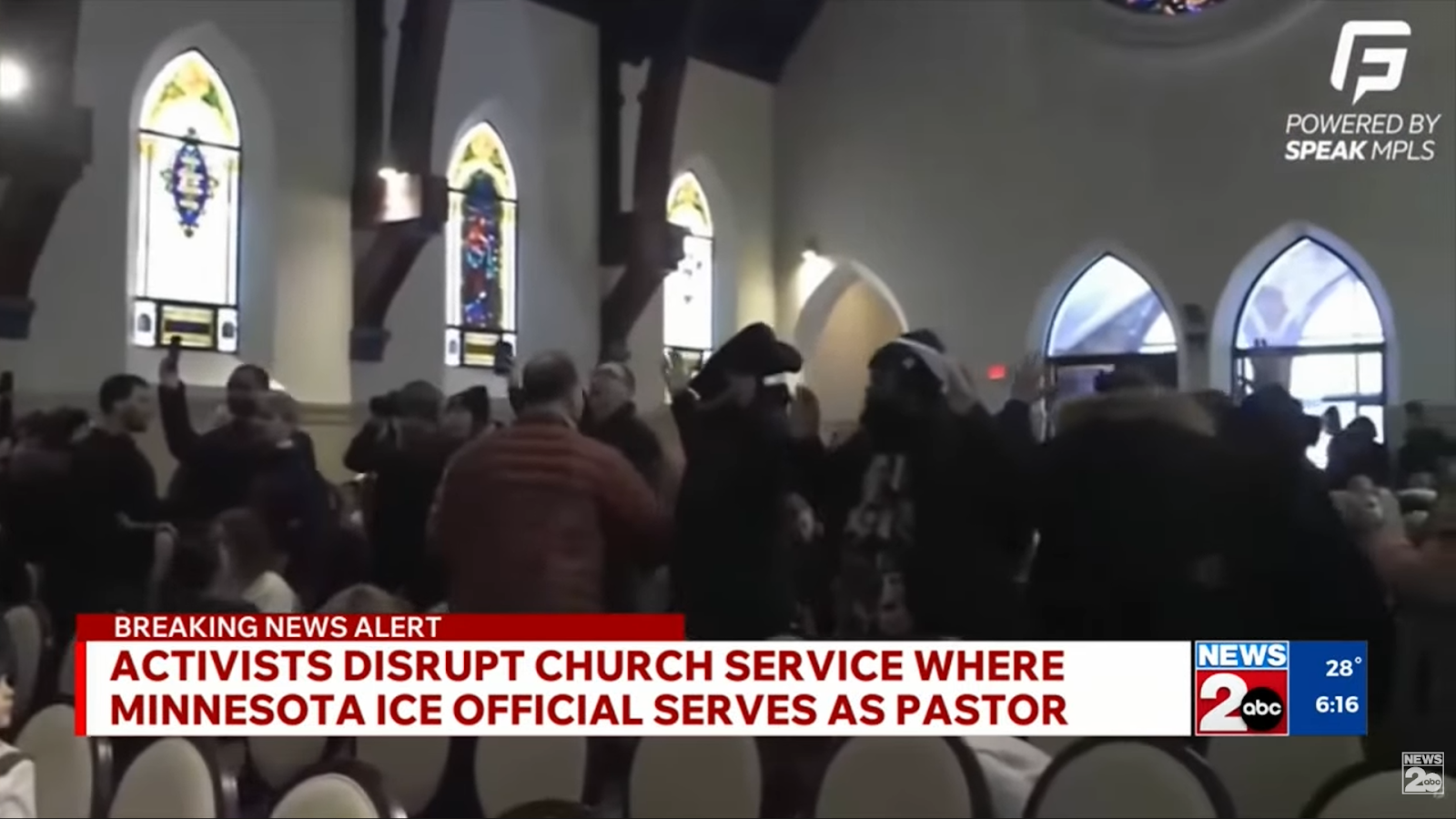
While Washington fights over Greenland, artificial intelligence, and political maneuvering, a major American state is sliding into chaos and authoritarian local control. A recent viral incident involving anti-ICE agitators and media figures has exposed how poorly leadership is handling public safety and immigration enforcement. The breakdown points to broader failures by officials who prioritize publicity and politics over law and order.
Local activists clashed with federal immigration officers and the spectacle went viral, driven by media figures who treated confrontation as content. That kind of theater masks the real problem: officials are abandoning basic enforcement and letting mobs dictate policy. When government retreats from enforcing clear laws, chaos fills the gap and ordinary citizens pay the price.
State and city leaders have traded serious governance for performative politics and headline chasing, creating pockets of lawlessness that resemble a descent into Third World despotism. Instead of upholding statutes and contracts, some public servants bend to pressure from radical activists who demand special treatment. This erosion of impartial, consistent rule is exactly what conservatives have warned about for years.
Meanwhile, national politics are distracted by arguments over foreign land deals, tech policy, and intra-party swaps like trading one RINO for another. Those fights matter to their participants, but they are a poor trade if the streets back home become unsafe. The federal government has limited tools, but state officials should never let that become an excuse for abandoning basic duties.
Immigration enforcement is a federal responsibility, but local cooperation matters when it comes to keeping communities safe. When cities obstruct federal agents or openly side with protesters who block enforcement, they create dangerous incentives. Criminals and human smugglers notice which jurisdictions are lax and adjust where they operate.
The media played a role in amplifying the anti-ICE agitators, turning law enforcement confrontations into viral theater. Journalists who prioritize spectacle over facts add fuel to public disorder by normalizing harassment of federal officers. Responsible reporting would separate lawful protest from actions that obstruct justice and endanger bystanders.
Citizens need practical leadership that restores normal order and respects the rule of law, not rhetoric that excuses breakdowns in governance. That means insisting that elected officials enforce existing laws, secure borders, and cooperate across federal and state lines where appropriate. It also means voters holding media and politicians accountable when they glamorize lawlessness.
This is not about scoring points in Washington or swapping political personnel for optics. It is about whether Americans can go about their daily lives without fearing arbitrary rule or mob influence. If policymakers keep treating governance as a secondary concern, more states will drift toward the kind of instability that undermines liberty and prosperity.
We should demand serious public servants who prioritize safety, enforce laws evenly, and resist the impulse to kneel to performative outrage. Popularity contests and viral moments are no substitute for steady leadership that protects the rule of law. The longer this drift continues, the harder it will be to reverse without firm action at the ballot box and through the institutions that keep liberty intact.

