

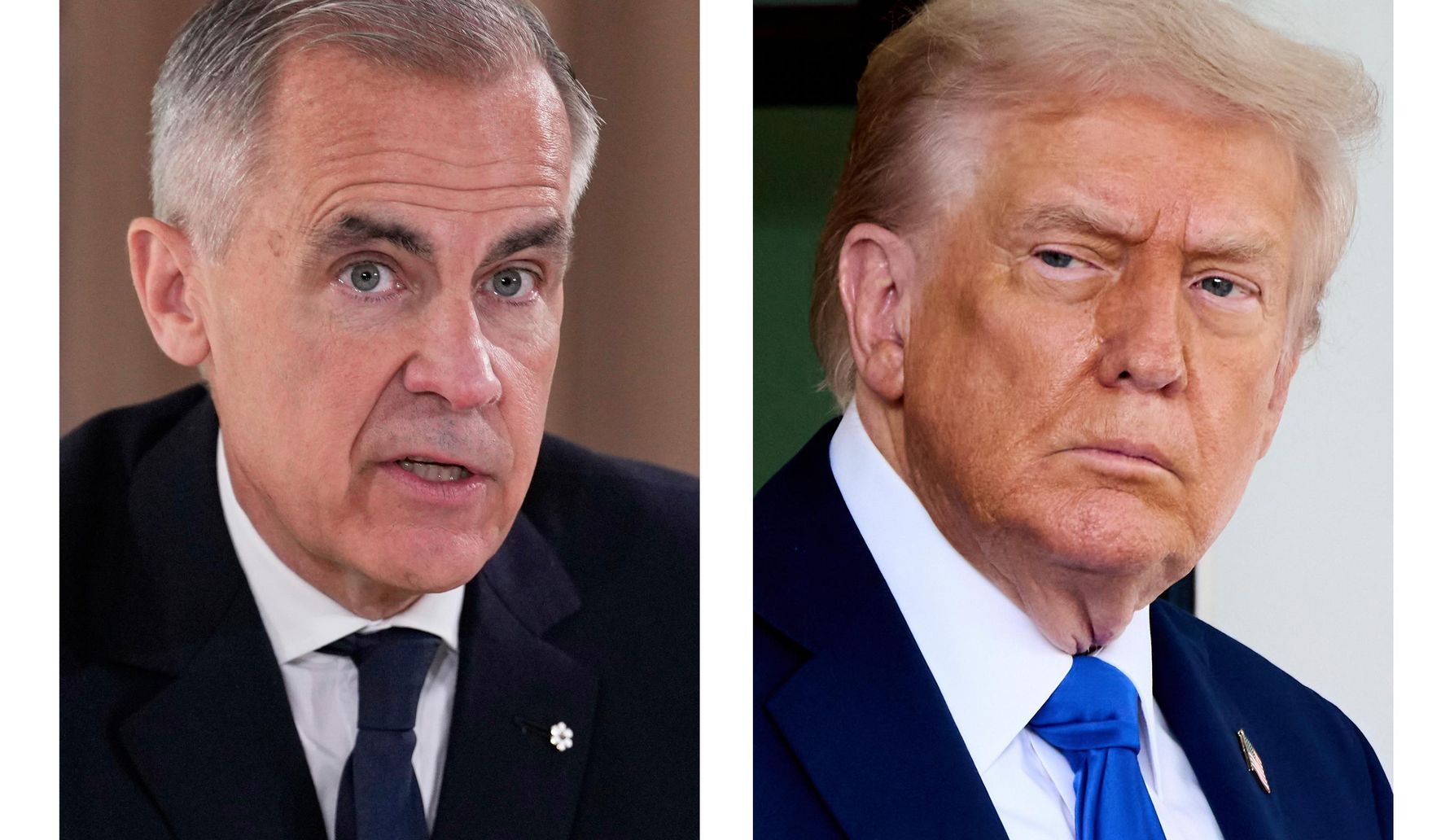
Canadian leadership publicly rejects a China free trade push while responding to a direct U.S. move, and the episode highlights trade friction, national security concerns, and the larger debate over how North American allies should handle China.
Canada’s foreign economic stance grabbed headlines when a senior Canadian official declared that the country will not pursue a free trade deal with China. That announcement landed against a backdrop of sharper rhetoric from Washington and renewed attention to the balance between opportunity and risk in engaging Beijing. The push and pull between tariff pressure and trade strategy is now playing out between two long-standing partners.
Canadian Prime Minister Mark Carney said Sunday his country has no intention of pursuing a free trade deal with China. He was responding to U.S. President Donald Trump’s threat to impose a 100% t
From a Republican viewpoint the reaction from Ottawa makes sense politically and strategically: stand apart from a regime that poses clear economic and security risks. Canada signaling caution sends a message that trade policy is not purely about market access but also about protecting critical supply chains and national sovereignty. That stance aligns with a tougher posture toward China that many conservatives have been advocating.
There are practical reasons to avoid an all-in free trade path with China right now. Beijing’s market behaviors, state subsidies, and opaque regulatory practices can undermine fair competition for North American firms. A one-size-fits-all trade deal risks locking in access for Chinese goods while offering limited safeguards for intellectual property, critical infrastructure, and sensitive technologies.
President Trump’s hardline posture — using tariff threats as leverage — is controversial but effective at forcing conversations that might otherwise be ignored. The mere threat of heavy tariffs compels allies to reassess their exposure and domestic political leaders to clarify where they stand. That dynamic can rebalance negotiations in favor of more reciprocal and transparent arrangements.
Canada’s public refusal to pursue a bilateral free trade agreement with China also reflects domestic politics and economic calculations. Canadian industries that rely on secure energy and resource flows will want clarity about market rules and long-term reliability. Politicians must weigh short-term commercial benefits against the long-term implications for industrial policy and alliances.
Republicans typically favor hard-nosed negotiations that protect American industry and insist on enforceable rules. Applied to allies, that logic translates into encouraging partners to adopt similar guardrails — not as protectionism for its own sake, but as a defense against unfair competition and strategic vulnerability. Ottawa’s position can be read as a step in that direction, keeping open the option for cooperation under stricter terms.
At the same time, rejecting a free trade deal does not mean cutting off commerce entirely. Trade and investment ties can continue under targeted agreements and sector-specific arrangements that incorporate strong enforcement mechanisms. The smarter route is not a blanket embrace of a risky deal but careful, conditional engagement that prioritizes national interest.
The broader lesson for Washington and Ottawa is that coordination matters. Allies should synchronize trade policy and security standards to prevent adversarial regimes from exploiting gaps between partners. That means common rules on critical technologies, joint scrutiny of state-backed acquisitions, and shared approaches to tariff leverage when needed to reset negotiations.
In the end, public stances like Canada’s refusal to pursue a comprehensive China trade deal force a reckoning over priorities. Whether one approves of the tactics or not, the result is clearer public debate about how democracies protect their economies and security in a competitive world. For Republicans, the takeaway is simple: tough diplomacy and disciplined trade policy can preserve leverage without closing doors to mutually beneficial commerce under the right conditions.

