

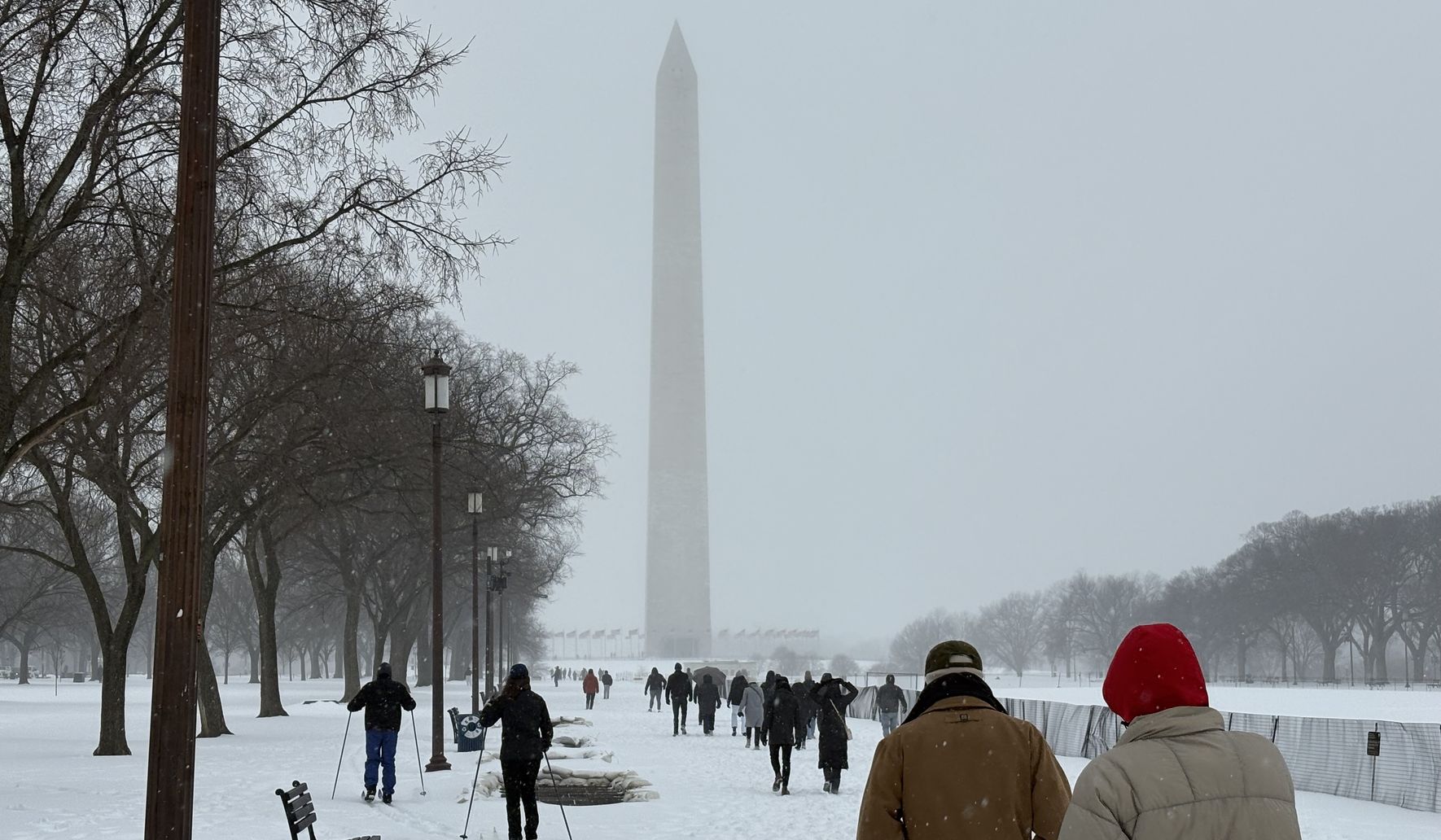
The District of Columbia was struck Sunday by the season’s first major winter storm, leaving the capital coated in snow and sleet as much of the Eastern United States faced bitter conditions and widespread disruptions.
The storm arrived Sunday and combined snow and sleet that rapidly changed the look of the capital and surrounding areas. Streets that had been plowed earlier quickly developed new slick spots as temperatures hovered around freezing. Officials described the event as the first significant winter system of the season, and it brought a quick shift from ordinary winter days to hazardous travel conditions.
Transportation felt the impact almost immediately, with road crews prioritizing major arteries and bridges while side streets lagged behind. Commuters reported slow-moving traffic and sudden ice patches that made driving unpredictable. Public transit agencies adjusted schedules and warned riders about delays as operators dealt with slippery tracks and bus routes that required detours.
Air travel also saw interruptions as airports in and around the region managed deicing and runway treatment under tight turnaround times. Passengers waited through extended gate holds and late departures while crews balanced safety checks with operational demands. Ground crews worked through the night to keep surfaces clear, but travelers were advised to expect lingering effects into the following day.
Power systems were tested where heavy, wet snow clung to branches and infrastructure, causing scattered outages in some neighborhoods. Utility teams were dispatched to assess hazards and restore service where lines were down. Officials urged residents to report outages promptly and to prepare for possible repair timelines that could stretch as crews handled multiple issues across a wide area.
Municipal services shifted into winter mode as sanitation and public works crews focused on plowing, sanding, and salting priority routes. School districts and municipal offices evaluated conditions for closures and late openings, balancing safety concerns with the need to maintain essential functions. Local authorities also monitored sidewalks and bus stops to reduce hazards for pedestrians and vulnerable commuters.
Emergency responders saw a rise in weather-related calls, from spinouts and fender-benders to slips and falls on icy sidewalks. Crews emphasized cautious travel and reminded residents to keep emergency kits in vehicles during winter storms. Hospitals and urgent care centers prepared for a higher volume of minor injuries tied to slips, shoveling strains, and cold exposure.
Community centers and municipal warming sites were readied in case prolonged outages or additional cold snaps required temporary sheltering. Volunteers and neighborhood groups mobilized to check on older adults and those with limited mobility, ensuring access to heat and basic supplies. These local efforts helped fill gaps while official services prioritized critical infrastructure and emergency needs.
City planners and weather officials said the storm would likely be followed by a period of lingering cold that could keep treated roads slick into early next week. Plowing and repeated salting were expected to continue as temperatures held near the freezing mark overnight. Residents were advised to leave extra time for travel and to stay informed through local weather briefings and official channels.
Commercial operations, from deliveries to building services, adjusted staffing and scheduling in response to the conditions to maintain safety and continuity. Businesses that rely on foot traffic saw quieter storefronts as many people chose to stay home or work remotely where possible. At the same time, grocery and hardware stores experienced increased demand for essentials like ice melt, batteries, and warm clothing.
While the storm proved disruptive, municipal crews and volunteers worked through challenging conditions to keep critical services running and to support vulnerable residents. Road crews continued treating high-volume corridors while utility workers prioritized safe restoration of power where outages occurred. The immediate focus remained on public safety and restoring normal operations as quickly as weather and road conditions allowed.


1 Comment
So much for the global warming SCAM! Bring it on, We need the heat!