

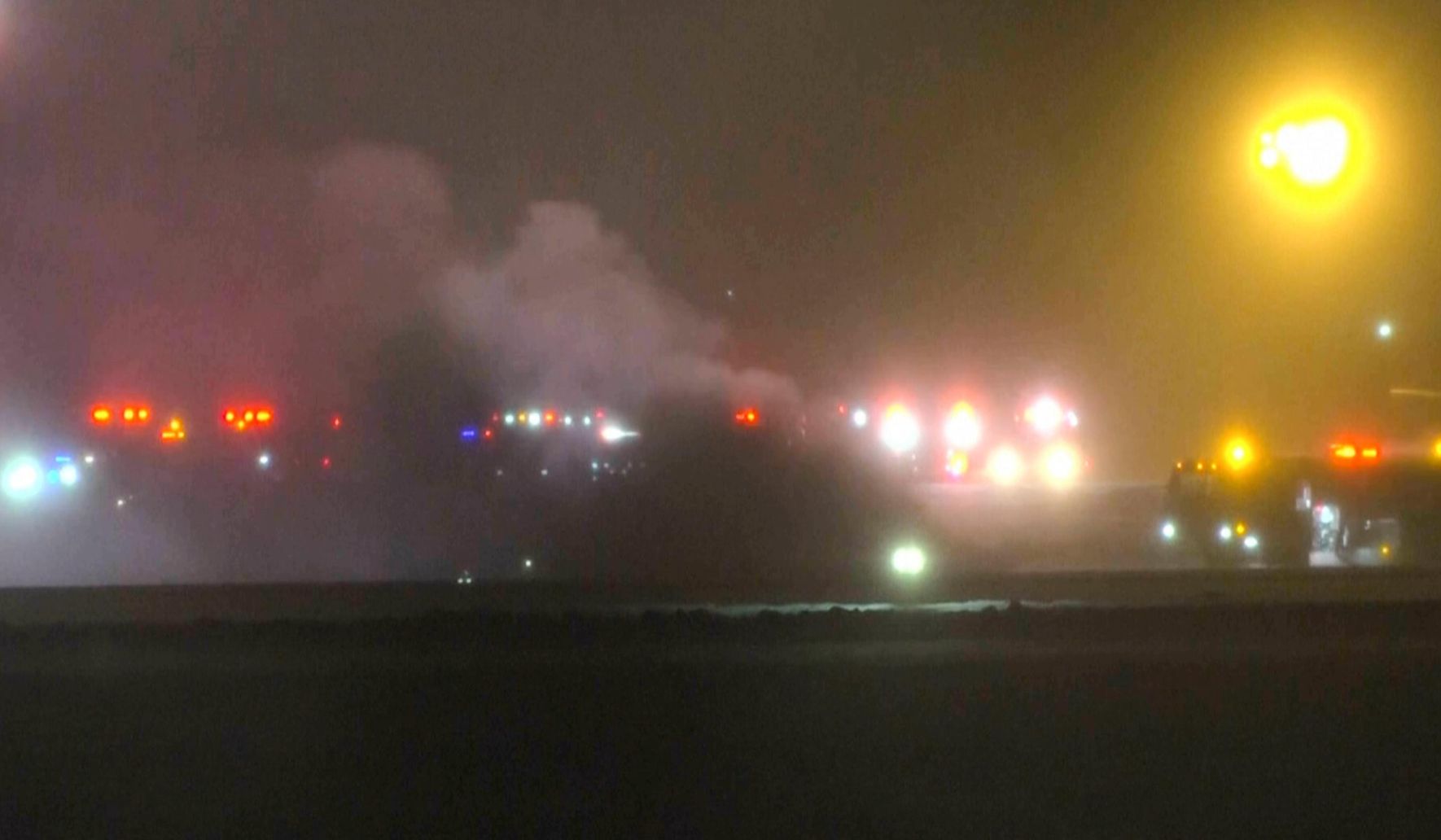
Six people died when a business jet crashed during takeoff as a snowstorm moved in and visibility diminished in Maine Sunday night, and the wreck has left local officials and investigators facing tough questions about weather, procedure, and response.
Six people died when a business jet crashed during takeoff as a snowstorm moved in and visibility diminished in Maine Sunday night. That single, stark sentence captures the tragic core of a sudden event that unfolded in worsening weather, and it will be central to any official account. Families, first responders, and aviation authorities are now grappling with the immediate aftermath and the need for clear answers.
Local emergency crews were first on scene and worked through difficult conditions to secure the site and help any potential survivors. Snow, low visibility, and slick surfaces complicate every rescue effort, stretching resources and increasing risk to responders. Witnesses reported seeing the aircraft struggle as conditions worsened, but firsthand accounts will be checked against flight data and radar logs.
Investigations into crashes like this usually involve multiple layers: local law enforcement, airport operations, the FAA, and the NTSB or their local equivalent. Those agencies collect everything from maintenance records to cockpit voice and flight-data recorders where available. Determining contributing factors can take months, so families and the public should expect a careful, methodical probe rather than quick conclusions.
Weather will be a chief focus since the storm moved in during takeoff and visibility diminished rapidly for pilots and ground crews. Aviation operations rely on precise thresholds for visibility and runway conditions, and decision-making in marginal weather is intensely scrutinized. If a crew elected to proceed in deteriorating weather, investigators will examine the available information and whether procedures and training were followed.
Aircraft performance during critical phases like takeoff is finely balanced, and any degradation in runway friction or lift can be disastrous. Snow and ice change how a jet responds, while gusts and crosswinds test pilot control at low altitude. Maintenance history and the aircraft’s weight and balance at departure will also be reviewed to see if mechanical or loading issues played a role.
Airports in winter climates have protocols for runway treatment and visibility reporting, and those records become evidence in a crash inquiry. Dispatch communications, NOTAMs, and air traffic control transcripts help recreate how the situation evolved minute by minute. If there were delays or advisories in effect, those details will be factored into the timeline investigators build.
Community impact is immediate: victims’ relatives, colleagues, and neighbors are left picking up the pieces while local leaders manage an unfolding crisis. Counseling and support services typically follow such events, and public officials must balance transparency with the need to preserve an active investigation. Grief and the search for facts often run side by side, and officials are usually under pressure from both the public and the media.
In the days after a crash, authorities often release limited information until initial checks are complete, then provide scheduled briefings with confirmed facts. That way they avoid spreading inaccurate details or inflaming speculation. Families deserve timely, respectful updates, and the public benefits from a focused investigation rather than rushed pronouncements.
Longer-term, the findings from this accident could influence safety guidance for flights in marginal winter weather and for operations at similar airports. Recommendations can range from procedural tweaks to equipment upgrades, and regulators sometimes issue directives to tighten flight rules or maintenance checks. Each accident is studied for lessons that can prevent future tragedies.
The human toll is the story at the center of every aviation disaster, and that will remain true here as officials work through a formal inquiry. While technical teams sort through data and debris, communities will remember the lives lost and demand clarity on how it happened. Investigations will piece together a factual record, and only then will a full picture emerge for families and the public to examine.

