

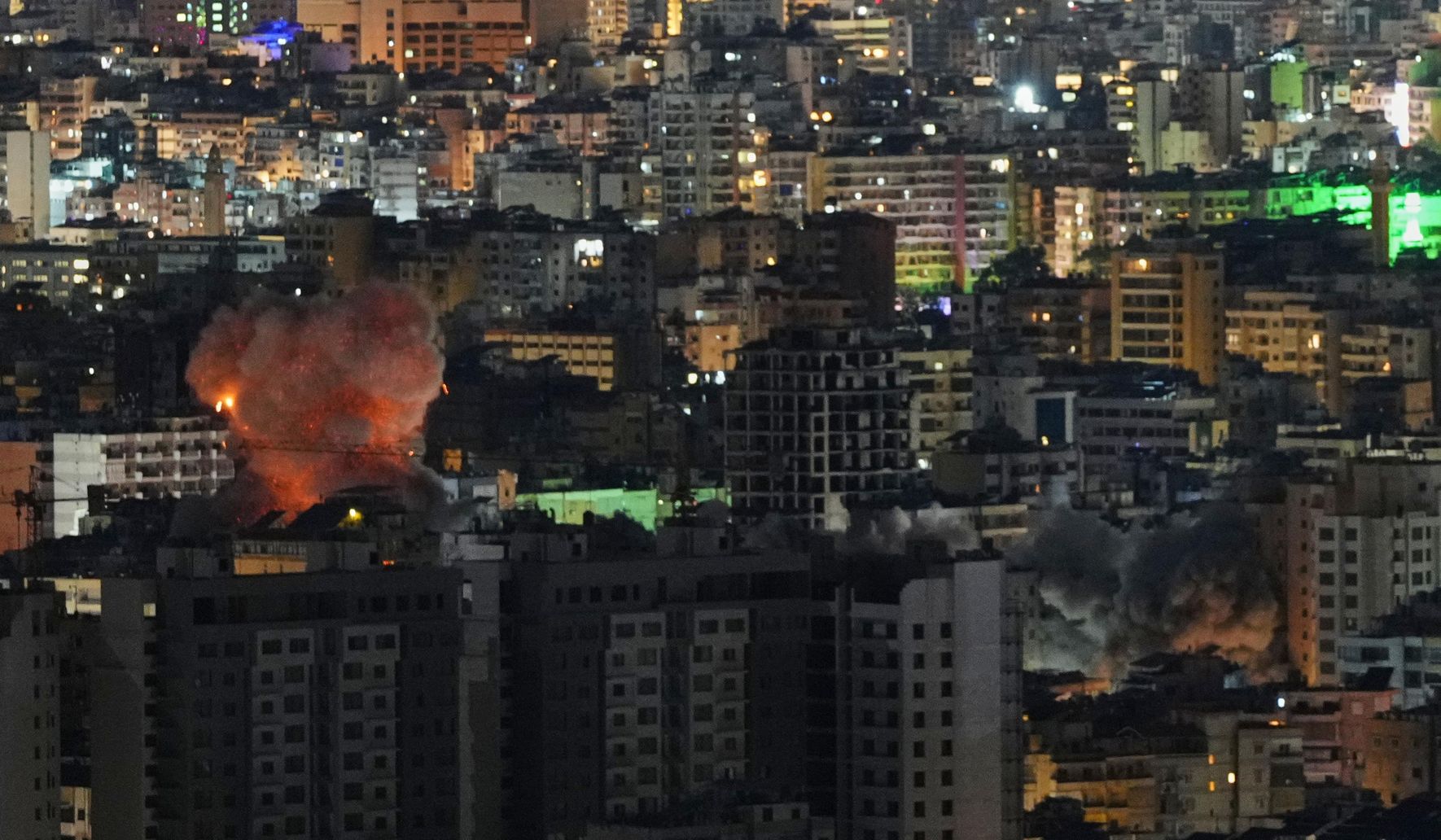
Iran launched a fresh wave of strikes Thursday targeting Israel, American bases and other countries across the region, and warned the United States it would “bitterly regret” torpedoing an Iranian warsh.
This new escalation saw missiles and drones fired toward multiple targets, stretching the security posture of allied forces and regional partners. U.S. installations and personnel suddenly faced higher risk, and Israel again moved to defend itself under sustained pressure. The pattern is clear: Tehran is testing resolve and seeking to change facts on the ground with force.
From a Republican perspective, deterrence has to be more than words; it must be backed by visible capability and readiness to act. Soft responses only invite more aggression, and Iran’s recent actions prove that restraint without consequence encourages further attacks. Policymakers should prioritize force posture, clearer red lines, and support for allies that can push back effectively.
American bases in the region are not abstract targets; they house service members who expect Washington to protect them. The attacks forced base commanders to scramble defensive measures and raised questions about intelligence gaps and warning times. Ensuring those bases have robust missile defense and rapid response options is not optional—it is fundamental to mission success and troop safety.
Israel remains a vital partner, and its security directly affects U.S. interests in the Middle East. When Tehran strikes Israeli cities and infrastructure, the instability ripples outward, threatening shipping lanes, energy markets and regional alliances. The United States must coordinate closely with Israel to blunt these threats while avoiding escalation that plays into Iran’s hands.
Economic and diplomatic pressure should return to the toolkit in full force, not as a substitute for military preparedness but alongside it. Sanctions and financial controls can squeeze Tehran’s war machine and disrupt its proxy networks when applied decisively. Republicans argue that squeeze measures must be targeted, sustained, and paired with credible military options so Tehran cannot simply wait out pressure.
Iran’s rhetoric, including the warning the United States would “bitterly regret” certain actions, is meant to intimidate and shape perceptions. Words matter, but actions matter more, and the safety of Americans and allies must trump fear of rhetoric. When adversaries speak this way, our answer should be clear capability, tight coalition work, and a demonstrated willingness to hold them accountable for attacks.
Regional partners who lean on the U.S. for security will watch how America responds, and those reactions will influence long-term alignments. If the U.S. appears unreliable or slow to respond, countries may hedge or seek alternative security arrangements that weaken American influence. A decisive, coordinated posture preserves deterrence and reassures partners that the U.S. remains the security anchor in the region.
Military planners must prepare for contingencies across a wide spectrum, from intensified missile barrages to asymmetric attacks on maritime traffic. Supply lines, base defenses, and forward-deployed assets need resiliency built in so that a single wave of strikes does not cripple operations. Congress should fund the tools commanders identify as critical and avoid arbitrary restrictions that tie commanders’ hands.
This moment calls for clear policy choices that protect citizens, back allies, and restore deterrence quickly. Republicans will push for stronger defense funding, tighter economic pressure on Iran, and closer coordination with Israel and regional partners. The alternative—continued incremental erosion of U.S. credibility—would hand Tehran the strategic gains it seeks through violence.

