

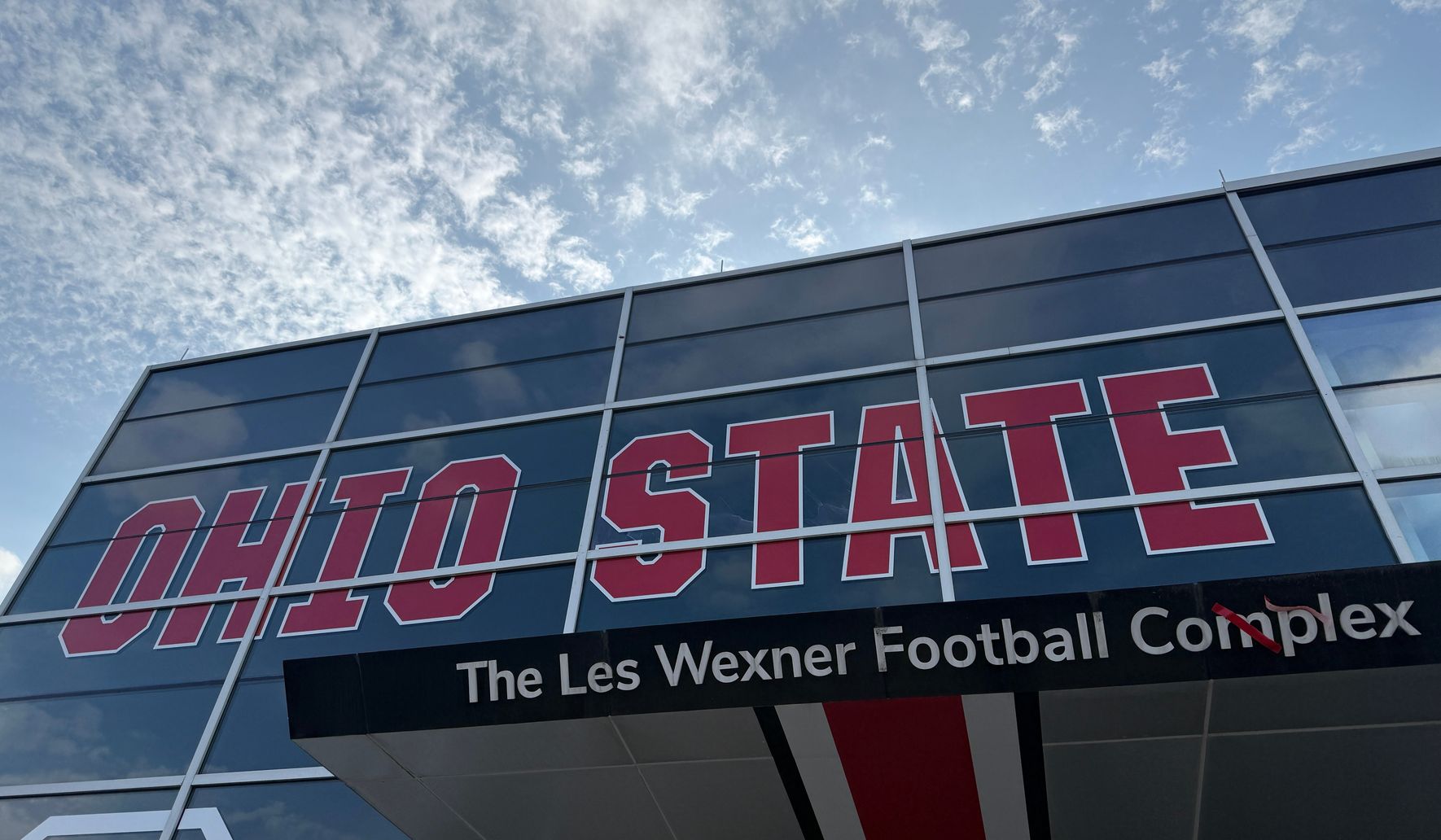
Campus unrest at Ohio State has focused on demands tied to a wealthy donor, with small, persistent protests and a larger debate over university values and due process.
On the Ohio State University main campus, a steady pattern of demonstrations has kept attention fixed on a single issue and the university’s handling of donor influence. Those protests have come through all kinds of weather and have been consistent enough to force conversations among students, faculty and administrators. The scene reflects a broader tug-of-war between public concern and institutional procedure.
“In rain, snow and bitter cold, a steady drumbeat of small protests have been held in recent months on the Ohio State University main campus with a single goal in mind: removing billionaire retail mogu” is the factual snapshot that keeps getting repeated in coverage and on campus. The sentence captures the persistence of the actions without explaining the legal or administrative mechanics behind them. That contrast is worth noticing: public pressure is loud, while formal processes are slower and governed by policy.
Many students behind the demonstrations see this as a moral stand, arguing that names and honors reflect the university’s values. People want symbols changed when they feel those symbols no longer represent campus ethics. Those sentiments are powerful, and universities often respond to them because institutional identity matters to donors, alumni and current students alike.
From a Republican viewpoint, however, there’s a need to balance emotion with order and fairness. Officials should not bend to gusts of campus fury without following clear procedures that protect due process and property rights. Universities must remain places where decisions follow rules, not where mob pressure substitutes for governance.
Administrators face a tough test: they must weigh reputational risk against contractual obligations and long-term governance. Changing names or severing ties can involve legal contracts, donor agreements and board approvals that can’t be bypassed. Prudence dictates that leaders explain timelines and constraints rather than promising instant fixes they can’t legally deliver.
At the same time, ignoring the campus mood isn’t a smart political strategy for any university. The public relations cost of silence or sluggishness can be high, and institutions that appear indifferent to student concerns risk deeper reputation damage. A sensible path combines clear communication, transparent review, and steps that show responsiveness without sacrificing rule-based decision making.
It’s also important to keep campus security and free speech in focus while protests continue through rain, snow and bitter cold. Protecting peaceful assembly is a core academic freedom, but that protection does not extend to intimidation or property damage. University leaders and law enforcement should make sure protests remain lawful and that all students can pursue their studies without harassment.
Ultimately, the situation at Ohio State is a test of institutional resilience and principle. Administrators should engage stakeholders, follow established procedures, and be candid about what can and cannot change overnight. The public conversation will continue, but it’s the choices made through policy and governance that will determine the university’s direction going forward.

