

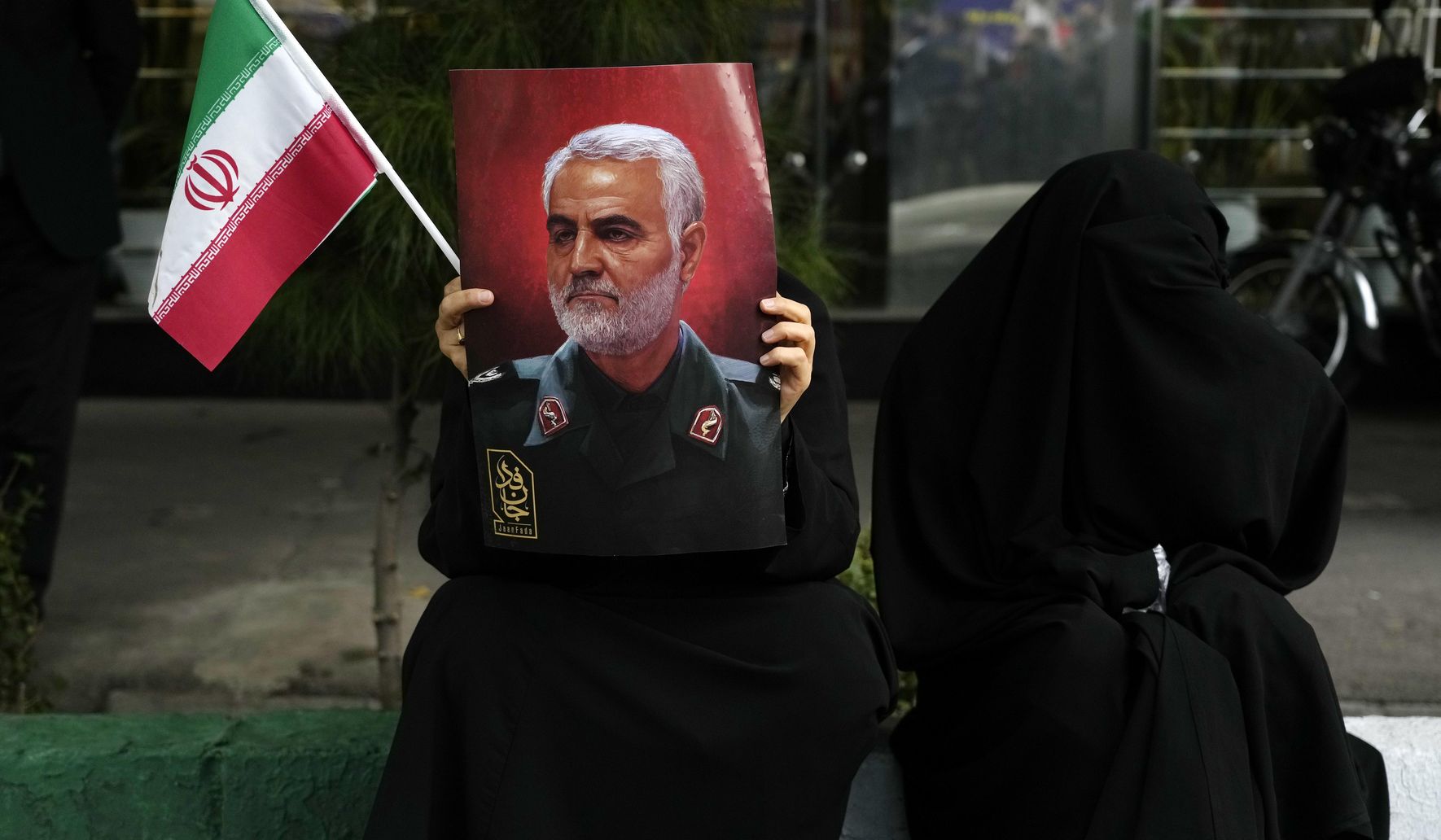
Two relatives of deceased Iranian Gen. Qasem Soleimani have had their green cards revoked, Secretary of State Marco Rubio said Saturday. This report sets off a debate about national security, immigration enforcement, and how the United States treats ties to foreign malign actors.
The move described by Rubio signals a willingness to use immigration status as a national security tool. For Republicans, this is straightforward: if someone’s family links them to hostile foreign networks, our immigration system should respond. The decision raises questions about precedent and how far authorities will go to protect Americans from overseas threats.
Qasem Soleimani served as the commander of Iran’s Quds Force and was widely linked to proxy warfare across the Middle East. He was killed in a U.S. strike in January 2020, an action that remains controversial but underscored the threats Iran and its affiliates pose. That history matters when evaluating why relatives might face immigration consequences years later.
Revoking green cards is a serious step that comes with legal mechanisms meant to protect national security. Administrative revocations can rely on immigration law provisions that bar individuals connected to terrorism or hostile foreign governments. From a Republican perspective, those legal options exist for a reason and should be used when credible evidence shows a risk to the homeland.
At the same time, due process concerns cannot be ignored entirely, even in a tough-on-threats posture. The government must balance secrecy and classified information against legal fairness, but that balance should not be a shield for those with dangerous ties. Republicans typically favor strong executive action here, as long as Congress and the courts can provide pragmatic oversight.
Politically, the story plays into broader themes about border security and vetting. Voters who prioritize safety see revocations like this as proof that accountability can follow even years after initial entry. The practical angle is simple: if you or your family have material connections to organizations that attack Americans or fund violence, residency in this country should not be guaranteed.
Critics will predictably call for investigations into the standards used and whether targets get notice or a chance to contest the revocation. That debate is necessary in a free society, but it should not be an automatic brake on policy aimed at stopping hostile influence. Republicans argue that strengthened, well-documented vetting and decisive revocations are compatible with constitutional protections.
There are operational implications as well. Enforcement teams may increase background reviews, integrate intelligence more closely with immigration adjudications, and coordinate with allies to trace financial and familial ties. That makes the process more effective, but it also raises questions about resources, timelines, and transparency for American taxpayers.
The message to Iran and similar actors is intended to be tactical as much as symbolic: connections abroad can have consequences at home. Which family members should be subject to action, and under what thresholds, will be part of legal and policy debates. Republicans tend to favor clear standards that prioritize national security and make it harder for hostile actors to exploit immigration routes.
Ultimately, the story touches on how the U.S. enforces its rules without losing sight of liberty and legal norms. Republicans expect firm action against threats, a smarter vetting system, and accountability when evidence shows risk. At the same time the party will argue for checkpoints that ensure decisions are defensible in court and understandable to the public.
Any future developments will likely test the balance between secrecy and accountability, and between swift action and procedural fairness. Lawmakers on both sides will press for answers about the legal basis, the intelligence involved, and whether this approach should be expanded. For now, the revocations reported by Rubio underline a posture that emphasizes security first.

