

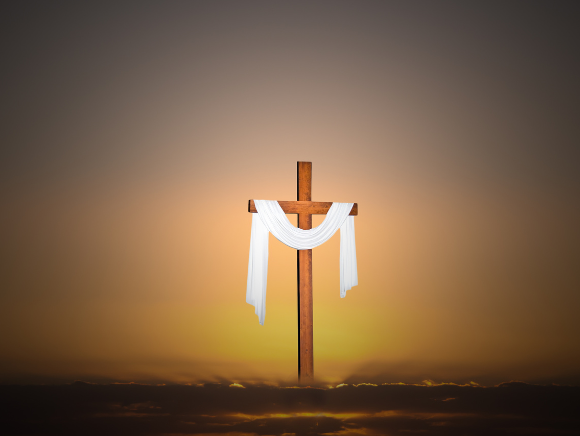
This piece looks at the empty tomb stories, the words the angels spoke, and how those lines have shaped faith, ritual, and community across centuries.
The image of an empty tomb is one of the most powerful in religious storytelling, a short scene that has echoed through art, liturgy, and private devotion. People come to the story with different expectations, but the core details remain strikingly consistent across the earliest accounts. That consistency is part of what keeps the moment relevant in churches, classrooms, and family conversations today.
Stories about the resurrection moved quickly from local memory into wider practice because they offered an unusual claim supported by witnesses and repeated retellings. For followers in the first century, those retellings turned into rituals designed to remember and affirm what happened. Over time, those rituals collected music, readings, and gestures that help people step into the original astonishment and hope.
Luke 24:6-7 He is not here, but has risen. Remember how he told you, while he was still in Galilee, that the Son of Man must be delivered into the hands of sinful men and be crucified and on the third day rise. Mark 16:6 And he said to them, “Do not be alarmed. You […]
Those sentences have become a hinge between sorrow and celebration for many communities. The language is simple but charged: absence in the tomb becomes presence elsewhere, a reversal that rewires how people look at suffering and loss. Even when readers disagree about details, the rhetorical force of an empty tomb and an angelic announcement is hard to ignore.
Scholars approach these passages with tools for testing sources, noting how oral tradition and early liturgical formulas shaped the lines we have now. They point to patterns like repetition and set phrases that suggest parts of these accounts circulated as early creeds. For many believers, the scholarly conversation adds texture rather than replacing the experience of encountering the text in worship.
The rituals that grew around the resurrection story show its social power. Annual feasts, sunrise gatherings, and readings that recount the encounter with the angel all work to retell the same few moments in a way people can feel. Those practices create a shared memory that crosscuts generations, turning a single event into a living tradition.
Artists and composers have also been drawn to those few lines because they open space for interpretation. Painters focus on light and emptiness, playwrights stage the confusion and joy, and composers set the language to melodies designed to linger in the ear. In each medium, the same brief announcement becomes a doorway into deeper reflection on loss, transformation, and new beginnings.
The text challenges how groups handle evidence and testimony. Some respond by treating the passages as literal reportage; others read them as symbolic language conveying theological truth. Both approaches wrestle with the same human questions: what does it mean to face an absence that implies a radical change, and how should communities live after such a claim?
Across neighborhoods and nations, the resurrection passages continue to function as a source of comfort and debate at once. They invite people into the long conversation between doubt and faith without shutting down either side. That openness is part of why the lines keep recurring in sermons, art, and personal letters.
Practically speaking, the story shapes calendars and commitments. Congregations plan services around those verses, and families schedule meals and readings that reinforce the same message. Even when the exact wording is disputed, the thematic movement from loss to unexpected renewal remains the organizing element of the season.
What endures is not just a report of what allegedly happened but a pattern for how people respond when their expectations are overturned. The original lines force listeners to choose response over indifference, to translate memory into action and ritual. That insistence to act on an encounter with the miraculous keeps the testimony alive in both public worship and private reflection.

