

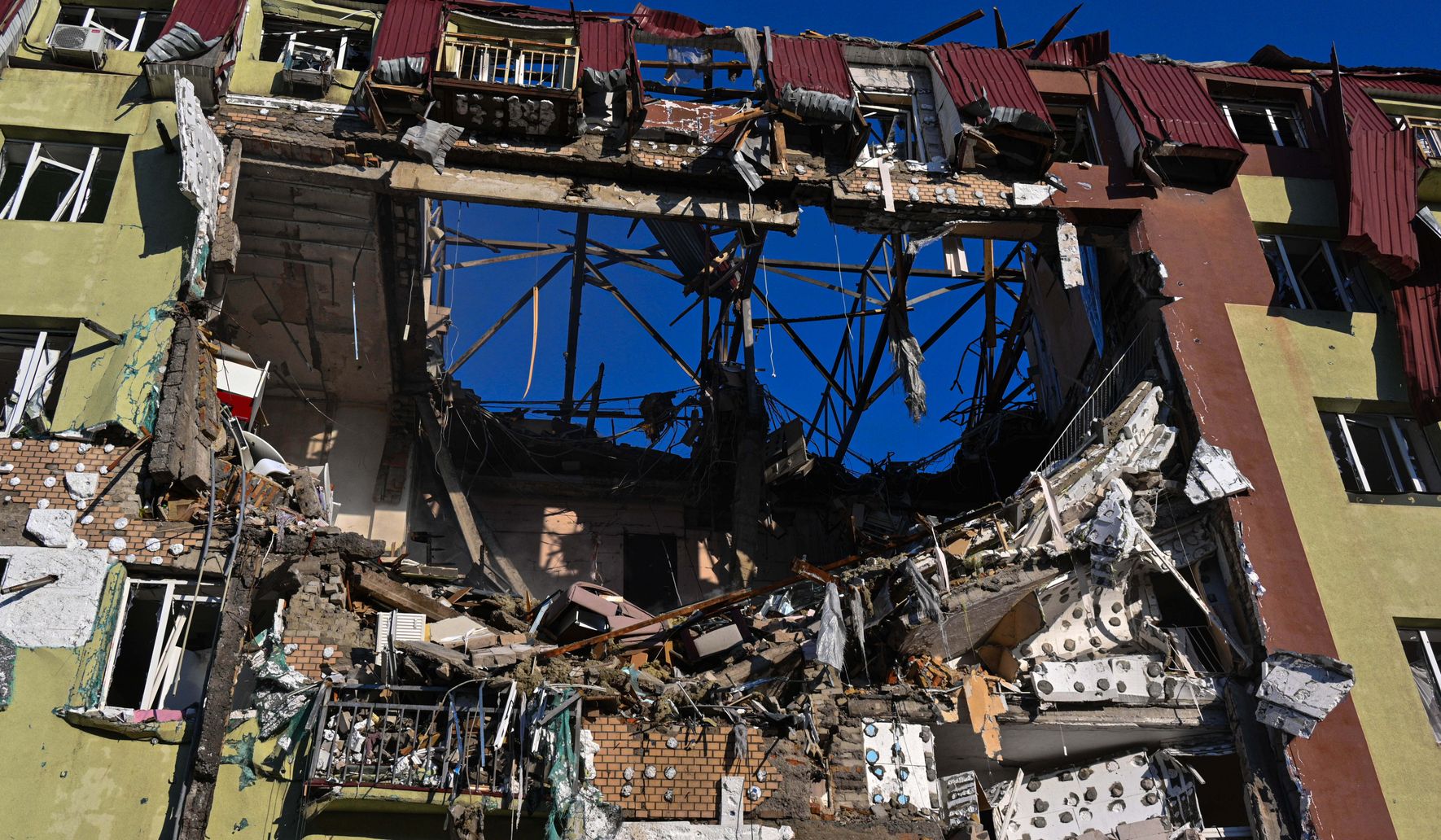
Russian drones struck Odesa, killing at least three and hitting a power substation that left thousands without electricity, a blow to civilian life and critical infrastructure that Ukraine and its allies must reckon with.
The strike on Odesa came as a series of drone attacks attributed to Russian forces, and local officials reported at least three people killed and multiple others wounded when a power substation was struck. The loss of electricity affected hospitals, apartment blocks, and essential services across the region, forcing emergency teams to work under deteriorating conditions. Eyewitnesses described explosions and a thick haze over parts of the city as responders searched damaged buildings.
Emergency services scrambled to restore power and treat the injured, while crews battled to secure damaged electrical equipment to prevent further outages or fires. Hospitals shifted to backup generators to keep critical systems running, and first responders prioritized evacuations from the most damaged residential areas. City officials warned that restoration could take hours or even days in some neighborhoods, compounding the human cost of the attack.
Ukrainian authorities named Russian forces behind the operation, framing the assault as part of a sustained campaign targeting energy and civilian infrastructure. President Volodymyr Zelensky has repeatedly condemned strikes that put noncombatants at risk and signaled Kyiv would document the damage for future accountability efforts. Local leaders emphasized the need for rapid repairs alongside clear evidence gathering to support international responses.
From a Republican viewpoint, this kind of targeting underlines the need for a stronger, more deterrent posture against Moscow, especially when civilian systems are deliberately hit. The attack demonstrates how Russia seeks to degrade the resilience of a sovereign nation by turning infrastructure outages into political and social pressure. In Washington, conservatives argue such behavior justifies bolstering air defenses, tightening sanctions, and supporting measures that make it harder for Russia to sustain long-range strikes.
The implications for Odesa go beyond immediate power loss: the port city is a linchpin for grain exports and maritime commerce, and disruptions there ripple across regional supply chains. When electricity and logistics falter, cargo operations slow, insurance costs rise, and local businesses face losses that ripple through livelihoods. Aid organizations also warn that extended outages complicate delivery of humanitarian assistance and medical supplies to vulnerable populations.
Allied responses are likely to include public condemnations and fresh moves to restrict materials and technologies used in drone campaigns, while defense planners assess whether Western air defenses around key hubs are sufficient. Republican policymakers tend to press for faster delivery of the systems Ukraine requests and for penalties that bite into Russia’s ability to procure components. At the same time, Kyiv must balance urgent repairs with the need to document the attack for diplomatic and legal channels.
Investigations into the exact flight paths, ordnance used, and command links will matter for attribution and any subsequent measures, and Ukrainian teams are already collecting evidence on the ground. The human toll and infrastructure damage will shape both domestic politics in Ukraine and debates in allied capitals over the pace and scope of support. For now, Odesa’s residents face the immediate task of recovery while governments weigh tougher steps to deter further attacks.

