

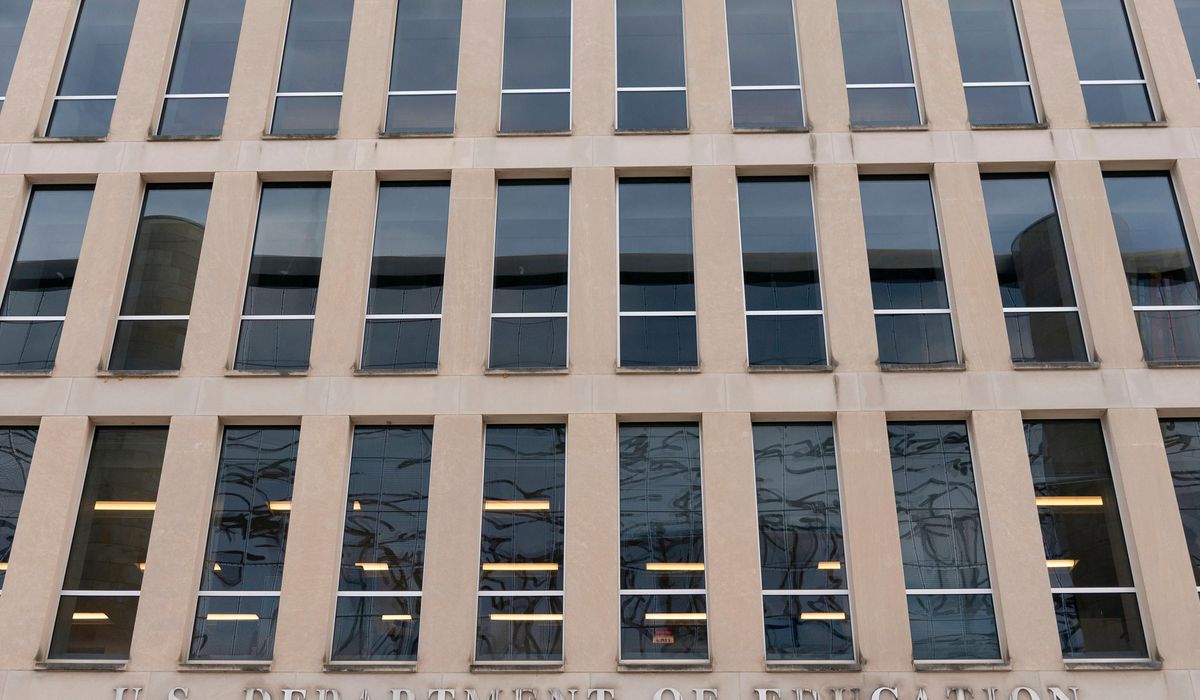
The Department of Education on Monday granted a reprieve to school districts that had been penalized under the previous administration for declining to enforce transgender pronoun policies, shifting enforcement and raising fresh debates over local control, parental rights, and religious conscience in schools.
This decision landed like a wake-up call in many school districts that had been dinged for refusing to implement mandatory pronoun rules. Local officials who argued for parental notification and religious accommodations felt vindicated by the reprieve. Republicans are framing the move as a necessary correction to federal overreach into classroom speech and belief.
For years the issue of pronouns has been treated as both an administrative compliance matter and a cultural flashpoint, with districts caught between state laws, federal guidance, and community expectations. The earlier enforcement actions sent fiscal and legal shockwaves through smaller districts that lack large legal teams. Now those districts face a different regulator posture that could ease short-term pressure but complicate long-term certainty about rules and protections for students and staff.
Parents and teachers who resisted compelled pronoun policies describe the reprieve as a win for free expression and conscience, and they warn against one-size-fits-all mandates from Washington. School boards that favored local decision-making framed the shift as a restoration of schoolhouse authority. From a Republican perspective, education decisions belong closer to the community, where voters and local officials can be held accountable.
Beyond politics, there are real procedural and legal questions that districts must confront, including how to update handbooks, handle complaints, and train staff without clear federal guardrails. Legal teams will still be busy because unsettled policy often produces litigation; courts ultimately will be asked to define the balance between anti-discrimination protections and free-speech or religious-liberty claims. If the Department changes its enforcement priorities again, districts can expect renewed churn that eats administrative time and taxpayer dollars.
Teachers who faced disciplinary threats for following their conscience will be watching how this reprieve plays out in practice, particularly in cases involving minors and parental notification. Educators want straightforward rules that protect them from retaliation while keeping classroom stability. Republican messaging emphasizes protecting both students and staff from compelled speech and ensuring parents have a meaningful voice in sensitive matters.
Advocates for strict pronoun enforcement warn that reduced federal oversight could leave vulnerable students without consistent protections, which sharpens the policy trade-offs at the heart of the debate. Critics of the prior administration’s approach argued it used Title IX and guidance letters to expand federal control beyond what Congress intended. Republicans point to the reprieve as an opportunity to reset the conversation around statutory interpretation and to insist that any long-term changes come through lawmaking, not agency fiat.
Practical questions now dominate local school agendas: how to reconcile classroom privacy, anti-bullying efforts, and religious conscience without a clear national mandate. School districts will need to draft policies that are defensible in court and acceptable to parents, teachers, and students with conflicting expectations. The reprieve buys time, but it does not erase the political and legal contours that made the issue so combustible in the first place.
Policy experts on both sides acknowledge this episode will ripple into elections and school board races, where voters decide which approach they prefer. Republicans expect to use the decision as evidence that federal agencies can and should be reined in when they exceed their authority. Meanwhile, communities will keep debating the balance between protecting individual dignity and preserving local control over schools.

