

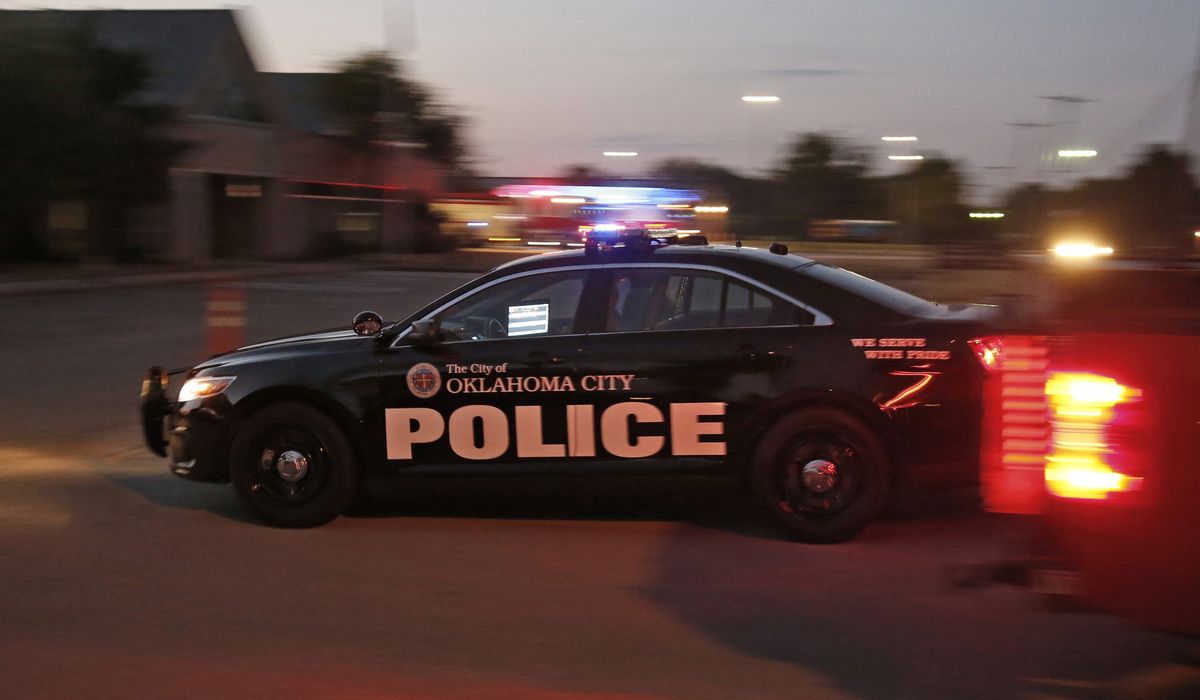
The Oklahoma City Police Department has placed officers on leave after reports that an April Fools’ Day prank prompted squad cars to respond to a claim involving a baby being thrown from a car; the incident has sparked an internal review and public concern.
The Oklahoma City Police Department has placed officers on leave after reports of an April Fools’ Day prank that sent squad cars in pursuit of a baby being thrown out of a car before the call was
City officials say an internal review is underway to determine what happened, why multiple units responded, and whether procedures were followed. The decision to place officers on leave aims to ensure a clear, independent look at every piece of evidence without the appearance of bias. That move is standard practice in high-profile incidents where community trust and officer actions are both under scrutiny.
Details remain limited while investigators collect radio logs, body camera footage, and dispatch records to trace the timeline from the initial call to units arriving on scene. Police procedure typically calls for rapid verification of life-threatening reports and careful coordination between dispatch and responding officers. The review will focus on whether the information relayed over the radio matched what was observed and if escalation steps were justified at each moment.
Public reaction has been swift, with residents voicing concern about the potential for hoaxes to divert resources and risk safety. False or prank calls that involve threats to children trigger intense backlash because they prey on first responders’ instinct to act immediately. At the same time, law enforcement leaders stress that crews must respond quickly to protect potential victims and that caution and verification are a difficult balance in high-pressure calls.
Legal experts note that prank calls with dangerous content can carry serious criminal consequences depending on intent and outcome, and investigators will weigh whether the caller can be identified and charged. The department must also consider whether any training gaps contributed to the response and whether policy updates are needed to prevent similar incidents. Community groups and city officials will likely press for transparency as the review proceeds so that lessons can be shared and reforms considered.
From an operational point of view, agencies often revisit dispatch protocols after these kinds of events to tighten verification steps and improve radio discipline. Options can include clearer thresholds for simultaneous pursuits, better use of supervisory units to confirm information, and additional training on assessing hoax potential under stress. Those changes aim to protect public safety without hamstringing officers who must act quickly when a real emergency is at hand.
Trust between police and the public is fragile and can be damaged when calls turn out to be false or when responses appear excessive. Rebuilding that trust requires transparent communication about the investigation, honest answers about what went wrong, and concrete steps to prevent repeats. The department has promised to share findings when the review concludes and to explain any disciplinary or policy actions that follow.
Meanwhile, the broader conversation about prank calls highlights how modern technologies and social media can amplify harmful hoaxes and overload emergency systems. Communities are discussing education campaigns about the consequences of false reporting and ways to protect dispatch centers from malicious use. Ultimately, the goal of any review is practical: reduce the risk of harm, hold people accountable when laws are broken, and make sure first responders can focus on true emergencies without added danger from deliberate deception.

