

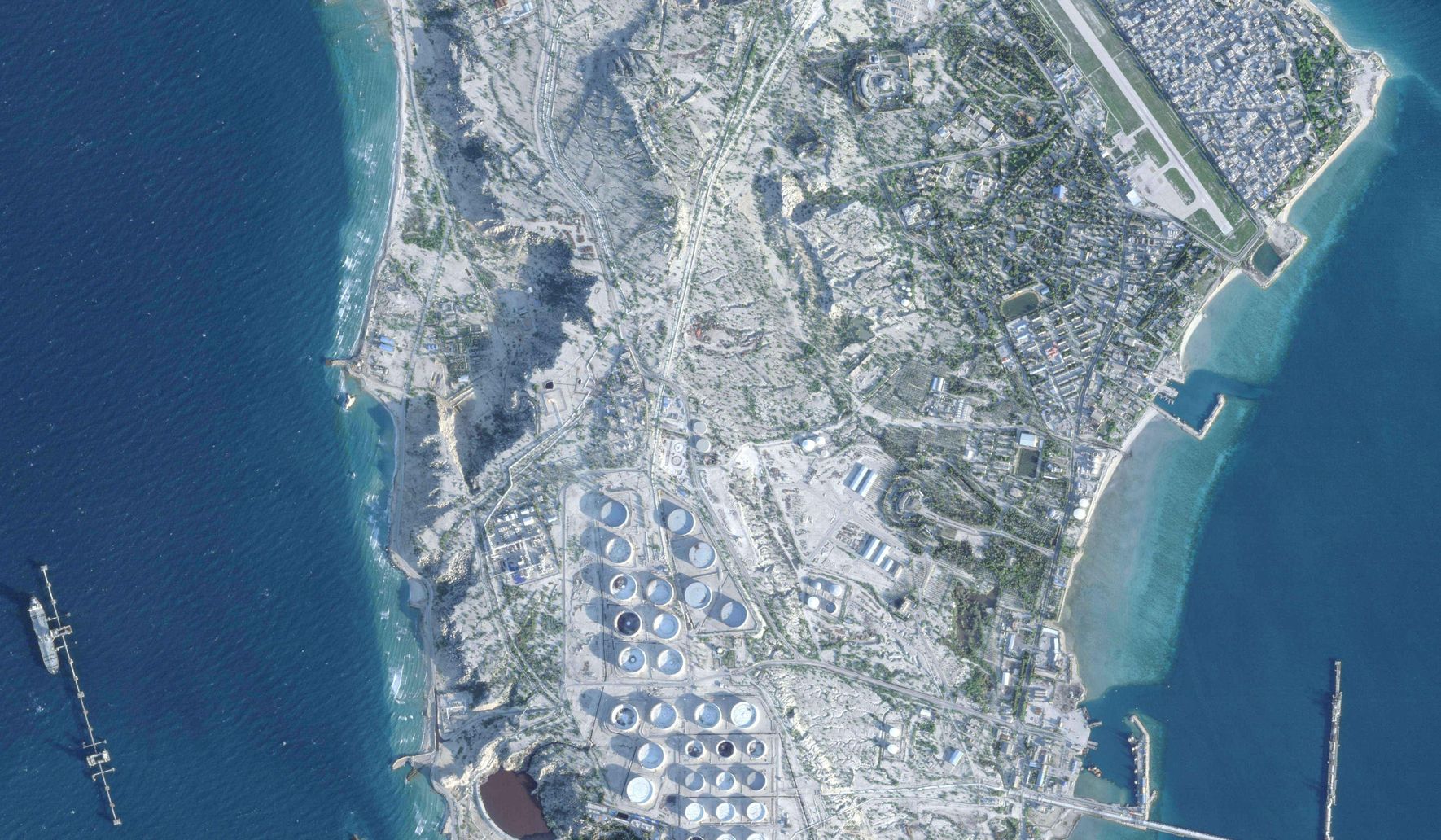
Kharg Island was hit in what state media called a clear escalation, arriving as a deadline set by President Trump was about to expire. The strike targeted a key oil hub and sent a sharp message across the region, raising stakes for U.S. policy and global markets.
Kharg Island, the hub for most of Iran’s oil exports, was struck on Tuesday, state-affiliated outlets reported, a move that looked like a sharp escalation while President Trump’s 8 p.m. deadline loomed. The island’s role in moving Tehran’s crude makes any attack there economically and strategically meaningful. That combination turns a military incident into a pressure point on world energy and on U.S. credibility.
The timing mattered. A deadline set by the U.S. president signals resolve, and Tehran’s apparent decision to push back looks reckless. From a Republican perspective, showed weakness invites more chaos; showing strength forces calculation. This episode underscores the need for clear, immediate responses that protect American interests without hesitating.
Beyond the politics, there are hard logistics at stake: Kharg handles a large slice of Iran’s exported oil, so any disruption ripples through global energy markets. Tanker traffic, insurance costs, and regional supply chains all feel the strain when a node like Kharg is threatened. Markets hate uncertainty, and hostile acts near export hubs make prices and volatility spikes likely.
The military picture is straightforward. Attacks on key infrastructure change the calculus for deterrence and escalation. If Iran can strike supply hubs with impunity, adversaries and proxies elsewhere will take note. A Republican view favors strong, proportionate measures that remove that ability and restore deterrence quickly.
Diplomacy still matters, but diplomacy backed by credible force is what works. The U.S. must make clear to allies and rivals alike that deadlines are meaningful and red lines have consequences. That clarity keeps partners aligned and keeps adversaries guessing, which is exactly what deters further damage to civilian infrastructure and global markets.
On the domestic front, this incident tests leadership and messaging. Americans expect their government to protect national interests and global stability, not to dither. Communicating a firm posture while coordinating with allies keeps pressure on Tehran and reassures markets and regional partners that the situation won’t be allowed to spiral.
Sanctions and economic tools remain useful, but when an attack hits a vital node like Kharg, kinetic options become part of the conversation. Republicans tend to argue that economic pain without credible military backing is often insufficient. A combined approach that preserves options and punishes aggression is the effective path forward.
Regional allies are watching closely, and their choices will shape what happens next. Israel, Gulf states, and NATO partners look for signs of U.S. commitment. If Washington acts decisively and in concert with partners, it can corral the response and reduce the chance of wider conflict.
The incident is a reminder that bad actors test limits when faced with perceived hesitation. The right response reestablishes deterrence, protects global energy flows, and signals that provocations have real costs. That is the hard, practical reality officials must confront now in both strategy and action.

