

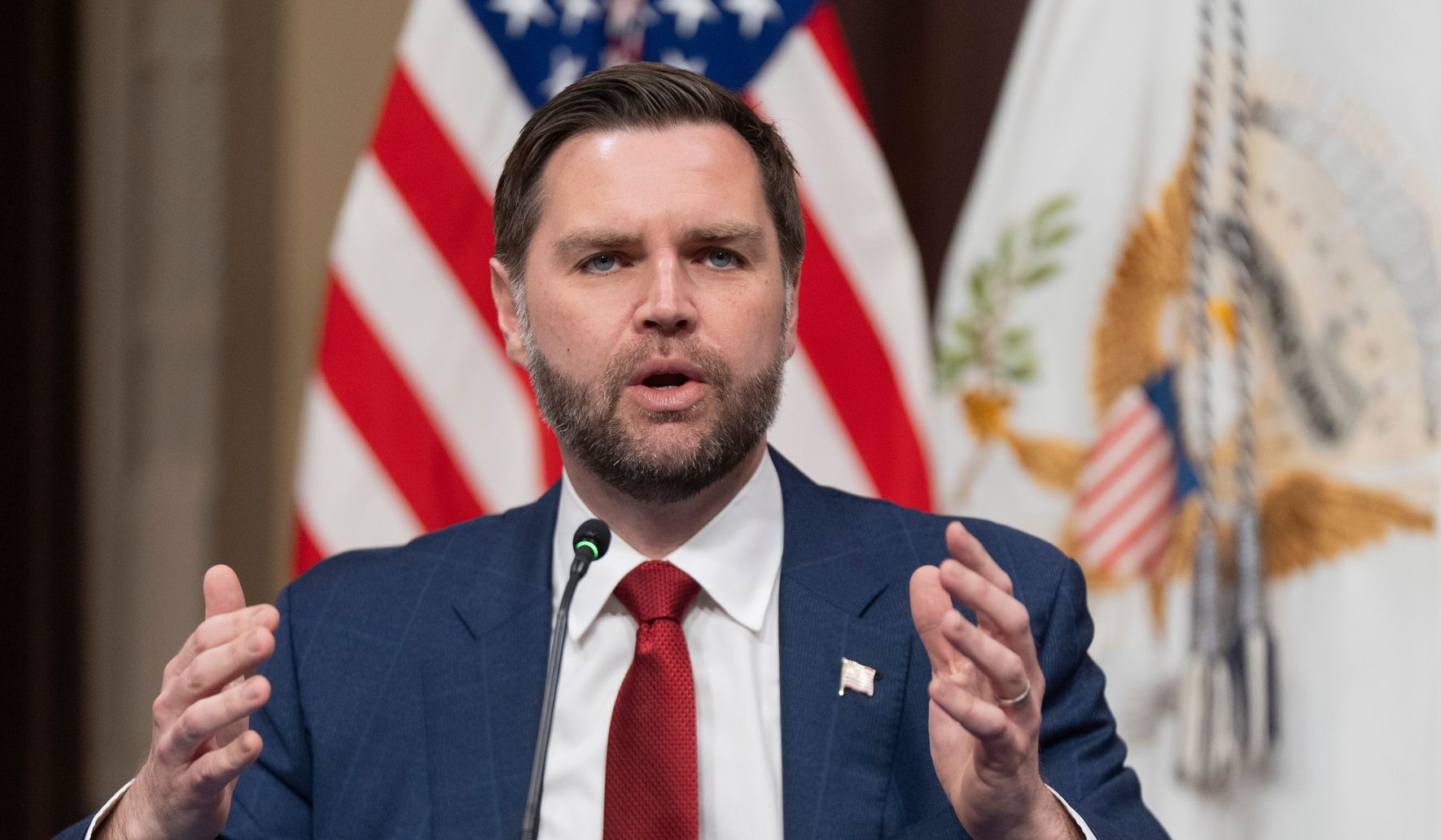
Vice President J.D. Vance said Tuesday the U.S. has achieved many of its military objectives in Iran, but the regime in Tehran must choose between two pathways if it wants to avoid more economic pain. The piece looks at what that choice means, how pressure and deterrence are working, and why a clear strategy matters for American interests and allies.
Vice President J.D. Vance said Tuesday the U.S. has achieved many of its military objectives in Iran, but the regime in Tehran must choose between two pathways if it wants to avoid more economic pain. That statement cuts to the core of current Republican thinking: demonstrate strength, keep pressure applied, and force a choice without getting dragged into open-ended occupation. Vance’s line signals confidence in our capabilities while warning Tehran that consequences will continue if provocative behavior persists.
On the military side, the message is straightforward: America met the goals it set and retains the means to enforce them. From a Republican perspective, success is measured by clear, achievable objectives and the credibility of follow-through. That credibility is what deters further escalation and reassures partners in the region who depend on U.S. resolve to balance Iranian aggression.
Economic pressure is the other pillar mentioned by Vance, and it matters as much as military positioning. Targeted sanctions, export controls, and financial isolation are tools that impose real costs without committing large numbers of troops. Keeping those measures sharp while coordinating with allies forces Tehran to weigh the pain of continued defiance against the possibility of relief and normalized relations.
There are two obvious pathways for Tehran, and neither is presented as easy. One path is de-escalation and behavior change in exchange for incremental relief, which preserves the regime but reduces regional instability. The other path is continued aggression that invites deeper isolation and further economic harm, potentially squeezing the Iranian leadership and its networks even tighter.
Republican policy emphasizes accountability and results over vague promises. That means making the consequences transparent and enforceable, not trading away leverage for short-term headlines. It also means avoiding naive détente that ignores Iran’s proxy wars and nuclear ambitions, and instead insisting on verifiable steps before anything like normalization is considered.
Part of the argument here is political, but it’s also strategic. Showing strength now prevents costlier conflicts later by deterring Tehran’s most dangerous options. Maintaining a posture that blends military readiness with sustained economic measures gives negotiators leverage while preserving options if Iran chooses escalation.
This approach also recognizes the role of partners in the region. Israel, Gulf states, and NATO partners need to see consistent U.S. resolve and realistic plans for preventing spillover. The combination of military pressure and economic pain must be matched by diplomatic outreach that lines up allies and imposes collective costs on Tehran when it misbehaves.
Finally, the domestic element can’t be ignored: Americans expect their leaders to protect national interests without mission creep. That balance—clear objectives, credible deterrence, and economic pressure—reflects a conservative case for prudent strength. Vance’s statement frames the choice for Tehran as stark and deliberate, and it demands a response from policymakers that keeps America strong and safe without reckless commitments.

