

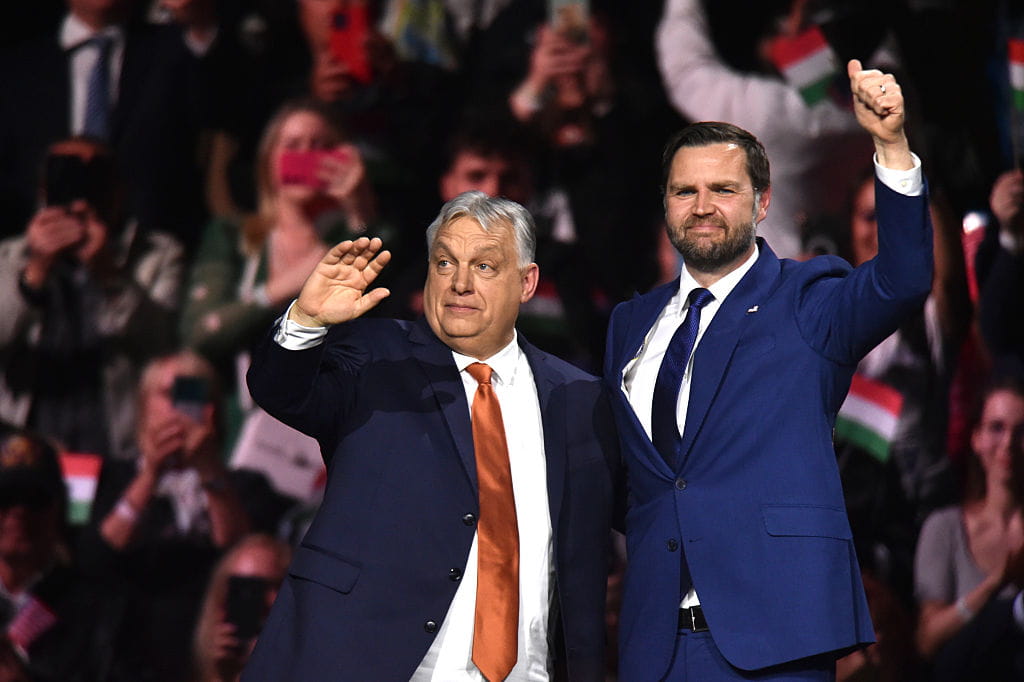
Vice President JD Vance showed up in Budapest on April 7 with a clear message of support for Prime Minister Viktor Orban as Hungary heads into a high-stakes April 12 election, bringing an endorsement, a phone call to President Donald Trump, and a story meant to rally conservative voters on both sides of the Atlantic.
Vice President JD Vance traveled to Hungary to back Prime Minister Viktor Orban at a campaign rally on April 7, signaling strong conservative solidarity ahead of the April 12 vote. His presence emphasized a practical alliance: Republicans and Hungarian conservatives share concerns about national sovereignty, migration, and defending traditional values. Vance’s appearance was framed as more than symbolic, intended to energize voters who view Orban as a bulwark against liberal policies coming from Brussels.
The Washington-to-Budapest connection was underscored by a phone call to President Donald Trump that accompanied Vance’s endorsement, reinforcing the transatlantic link between American conservative leaders and their European counterparts. For many on the right, that kind of direct communication matters; it shows these contests aren’t isolated, they echo across capitals. Vance used the platform to tell a story about freedom fighters and the importance of keeping political momentum on the side of national self-determination.
Orban is portrayed by supporters as a leader willing to stand up for Hungary’s right to set its own rules on immigration and cultural policy, and that message resonates with conservative voters who prioritize borders and identity. His opponents call him authoritarian, but his backers argue strong leadership was necessary to protect Hungary’s interests. This election, expected to be fiercely contested, hinges on whether voters prefer continuity under Orban or a shift toward candidates aligned with European Union consensus politics.
The stakes of the April 12 election reach beyond Hungary’s borders because the outcome will influence the balance of conservative and liberal forces inside the European Union. If Orban wins, his government will keep pushing for policy autonomy and push back against centralized EU mandates, which appeals to conservatives who worry about loss of national control. A loss would be interpreted as a win for EU integrationists and signal a different direction for policymaking on migration, economic coordination, and cultural issues.
Campaign rhetoric has focused heavily on practical matters like energy security, economic stability, and migration control, with both sides promising different remedies for everyday concerns. Vance and other American conservatives cast these debates as part of a larger ideological battle over whether nations keep the right to protect borders and cultural norms. That framing aims to convert local policy disagreements into broader questions about governance and identity.
The American involvement signals a transatlantic conservative strategy that treats victories in places like Hungary as momentum for like-minded movements elsewhere. For Republican voters and policymakers who support Orban, the rally was a clear show of confidence that conservative principles can win in tough contests. Public attention on April 12 will tell whether that strategy resonates enough with Hungarian voters to secure another term for the incumbent.
Even with strong outside endorsements, the campaign’s outcome depends on domestic factors: voters’ evaluations of living costs, social services, and daily life under Orban’s leadership. Opponents are mobilizing around promises of change and closer cooperation with the EU, arguing that a different course would open new economic and diplomatic opportunities. The final result will reflect how Hungarians weigh continuity against the promise of something different in a complex regional and global context.
Whichever way the April 12 election turns out, the visit by Vice President JD Vance and the visible link to President Donald Trump sharpen the political narrative for conservatives who see this as part of a broader push to defend national sovereignty. The campaign in Hungary will be watched closely by international observers who want to see whether strong national leadership or an EU-friendly pivot wins at the polls. For supporters of Orban, the rally and the accompanying message from American conservatives were intended to tip the balance in a tightly contested moment for Hungary’s political future.

